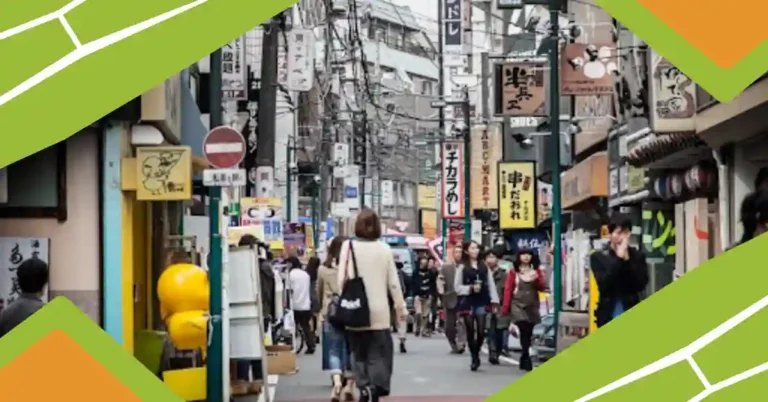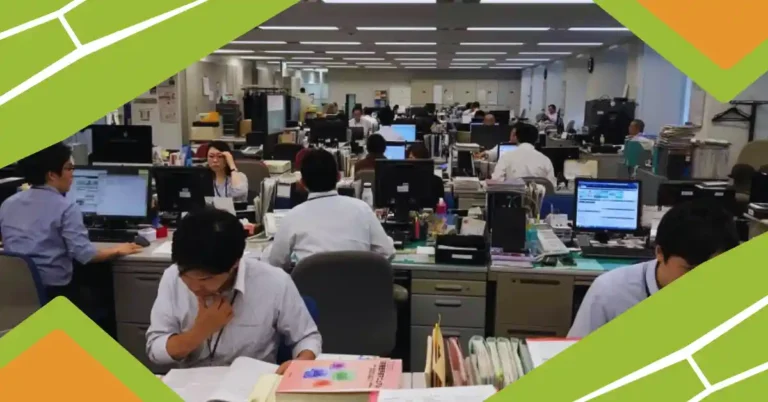
The work culture in Japan is widely recognized for its discipline, strong sense of responsibility, and deep-rooted traditions that continue to influence modern corporate environments. For global professionals, students, and businesses, understanding how Japanese workplaces operate is essential not only for successful collaboration but also for appreciating the cultural values that shape one of the world’s most advanced economies. While Japan has embraced technological innovation and globalization, its workplace culture still reflects centuries-old principles of respect, hierarchy, and group harmony blended with evolving modern practices.
This article explores the traditions that shaped Japanese work culture, the etiquette expected in professional settings, and how modern workplaces in Japan are transforming in response to global trends.
Historical Foundations and Cultural Traditions Shaping Work Life
To understand Japan’s professional environment today, it is important to look at its cultural and historical roots. Traditional values such as loyalty, collective responsibility, and respect for hierarchy have long been embedded in Japanese society. These principles originated from feudal systems and Confucian teachings, which emphasized order, discipline, and social harmony.
In many Japanese companies, especially established corporations, these cultural values still influence decision-making and employee behavior. The idea of lifelong employment, though less rigid today, was once a defining feature of corporate Japan. Employees often joined a company right after education and stayed for decades, forming deep loyalty toward their organization.
Even now, many workers see their company as an extended family, where group success is prioritized over individual achievement. This collective mindset is one of the key reasons Japanese businesses are known for consistency, quality, and long-term planning.
Some core traditional influences include:
- Strong emphasis on group harmony (wa) over individual expression
- Respect for seniority and hierarchical structure
- Loyalty toward the company and long-term employment mindset
These foundations continue to influence everything from meetings to decision-making processes in many organizations across Japan.
Workplace Etiquette: Respect, Communication, and Behavior Norms
One of the most distinctive aspects of professional life in Japan is its strict but highly respectful etiquette system. Communication in Japanese workplaces is often indirect, polite, and carefully structured to avoid confrontation or discomfort.
In meetings, employees tend to listen attentively rather than openly disagreeing. Instead of direct refusal, phrases may be softened or implied, reflecting the cultural importance of maintaining harmony. Non-verbal communication, such as bowing, also plays a significant role in professional interactions.
Punctuality is another essential expectation. Arriving late is considered disrespectful, and employees often arrive early to demonstrate commitment. Dress codes are typically formal, especially in traditional industries such as finance, law, and manufacturing.
A few key etiquette practices commonly observed include:
- Bowing as a sign of respect during greetings and farewells
- Exchanging business cards (meishi) with both hands and careful attention
- Avoiding overly direct criticism in group settings
- Maintaining a calm and composed demeanor in public workspaces
Business card exchange is particularly important in Japan. It is treated as a formal ritual rather than a casual introduction. Cards are received with both hands, examined carefully, and placed respectfully on the table during meetings instead of being immediately put away.
Communication also tends to follow a high-context style, meaning that much of the message is implied rather than explicitly stated. Understanding tone, timing, and context is often as important as the words spoken.
These etiquette rules may seem strict to outsiders, but they are deeply rooted in respect and the desire to maintain smooth professional relationships.
Work Environment and Daily Practices in Japanese Companies
The structure of daily work life in Japan is generally organized and highly disciplined. Employees often begin their day with team meetings or morning briefings, where goals and updates are shared. Collaboration is highly valued, and decisions are often made through consensus-building processes rather than top-down directives.
Another notable feature is the attention to detail in every task, no matter how small. Quality assurance and continuous improvement, often referred to as “kaizen,” are central to Japanese business philosophy. Employees are encouraged to identify inefficiencies and suggest improvements regularly.
Workplace hierarchy also influences daily interactions. Junior employees typically show deference to senior colleagues, while senior staff are expected to guide and mentor younger workers. This structure helps maintain order and clarity within organizations, although it can sometimes slow down decision-making.
Despite the structured environment, teamwork remains highly collaborative. Employees frequently engage in group problem-solving, ensuring that everyone feels included in the decision-making process.
Modern Transformations in Japanese Work Culture
In recent years, Japan’s professional landscape has been undergoing significant transformation. Globalization, digital innovation, and shifting generational values have introduced new ways of working that differ from traditional norms.
One of the most noticeable changes is the gradual shift toward better work-life balance. Historically, long working hours were common, and overtime culture was widely accepted. However, younger generations are now prioritizing personal time, flexibility, and mental well-being.
Companies are increasingly adopting remote work policies, hybrid schedules, and flexible working hours, especially after the global pandemic accelerated digital transformation. Tech-driven industries and startups are leading this change, introducing more relaxed hierarchies and open communication styles.
Another important shift is the decline of lifelong employment expectations. Today, many professionals change jobs multiple times throughout their careers in search of better opportunities and growth. This mobility has encouraged companies to become more competitive in offering benefits, training, and career development programs.
At the same time, traditional values have not disappeared entirely. Instead, Japan is witnessing a balance between old and new approaches. Many companies still respect hierarchy and formal etiquette while gradually embracing innovation and flexibility.
Workplace diversity is also improving. More international employees are joining Japanese companies, encouraging cross-cultural communication and global perspectives within teams.
Challenges in the Evolving Workplace Landscape
Despite modernization, certain challenges remain in Japan’s work environment. One ongoing issue is balancing efficiency with traditional consensus-based decision-making. While group harmony is valuable, it can sometimes slow down rapid innovation or bold decision-making.
Another challenge is reducing excessive overtime in some industries. Although reforms have been introduced to regulate working hours, cultural expectations in certain sectors still make it difficult for employees to leave early, even when tasks are completed.
Additionally, adapting to global communication styles can be complex. International companies operating in Japan often need to bridge differences between direct Western communication styles and Japan’s more indirect approach.
However, these challenges are also driving meaningful change. Organizations are investing in leadership training, digital tools, and cultural exchange programs to improve workplace efficiency and inclusivity.
The Future of Work Culture in Japan
The future of Japan’s professional environment is likely to be defined by balance. Traditional values such as respect, discipline, and teamwork will continue to remain important, but they will coexist with modern expectations of flexibility, diversity, and innovation.
Younger generations are already reshaping workplace norms by demanding healthier work-life integration and more transparent communication. Meanwhile, companies are recognizing that adaptability is essential to remain competitive in a global economy.
Technology will also play a key role in shaping the future. Automation, artificial intelligence, and remote collaboration tools are expected to streamline workflows and reduce dependency on rigid office structures.
Ultimately, the evolution of work culture in Japan reflects a broader societal shift one that respects tradition while embracing necessary change.
Conclusion
Japan’s workplace environment is a unique blend of historical tradition and modern innovation. From its deeply rooted values of respect and hierarchy to its growing embrace of flexibility and digital transformation, the country offers a fascinating model of cultural continuity and adaptation.
Understanding the work culture in Japan is essential for anyone engaging with Japanese businesses, whether as an employee, partner, or observer. It highlights not only how work is structured but also how culture shapes professional behavior, communication, and long-term organizational success.
As Japan continues to evolve, its work culture will likely remain a global point of reference balancing the wisdom of tradition with the demands of a rapidly changing world.
Also Read: Choosing Your Business Office in Japan: Key Factors and Practical Tips