Harajuku Fashion Guide: Tokyo Youth Culture, Street Styles, and Iconic Fashion Trends
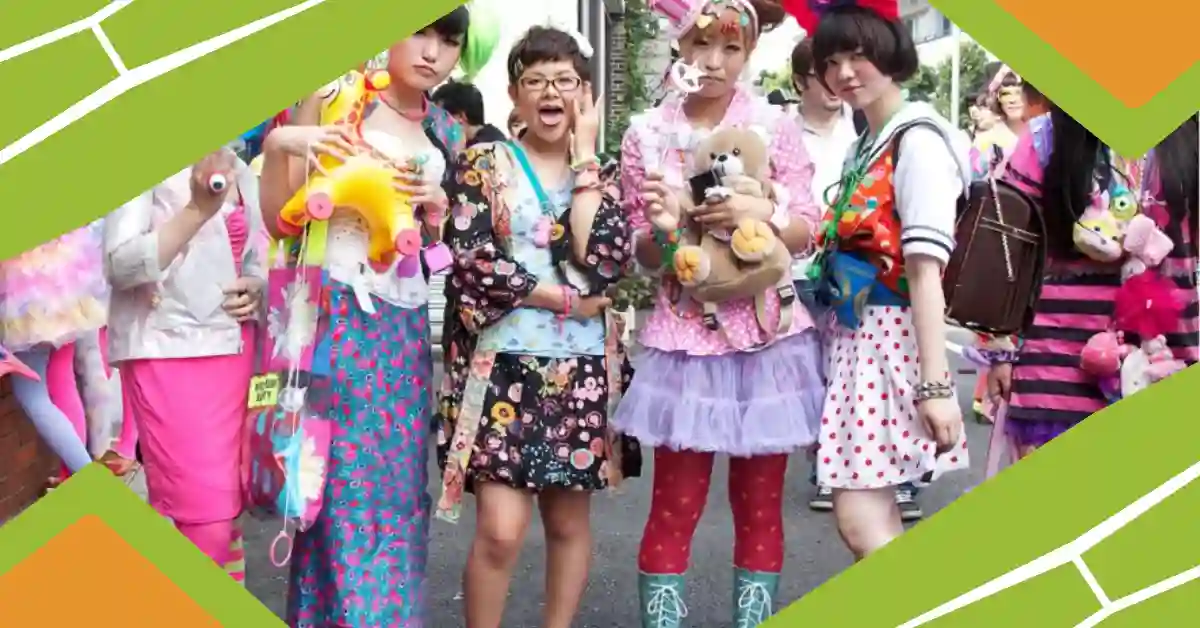
Harajuku fashion is one of the most influential street style movements in the world, born in Tokyo’s vibrant Harajuku district. Known for its fearless creativity, eclectic layering, and bold self-expression, this fashion scene has shaped global youth culture for decades. From pastel-colored fairy-kei outfits to dark gothic ensembles, Harajuku continues to evolve while staying rooted in individuality and artistic freedom.
In this comprehensive guide, we explore the origins, evolution, and modern interpretations of Harajuku style, along with how it continues to inspire global fashion trends today.
The Origins of Harajuku Street Culture
Harajuku’s rise as a fashion capital began after World War II, when the district near Harajuku Station in Tokyo started attracting young creatives, artists, and subcultures. By the 1970s and 1980s, the area became a gathering place for youth who wanted to express themselves outside of Japan’s traditionally conservative fashion norms.
The emergence of Harajuku fashion was closely tied to Japan’s economic boom in the 1980s and 1990s. Young people had more disposable income and access to Western fashion influences, which they began mixing with traditional Japanese aesthetics. This fusion created something entirely new, an experimental, rebellious street style that refused to follow rules.
During this time, Takeshita Street became the epicenter of youth fashion, filled with boutiques, thrift stores, and independent designers who catered to bold experimentation rather than mainstream trends. What made this culture unique was its emphasis on personal identity over brand conformity.
Unlike typical fashion movements, Harajuku style was never about uniformity. Instead, it became a living canvas for self-expression, where layering, color clashes, and unconventional silhouettes were not just accepted but celebrated.
Subcultures That Define Harajuku Fashion
One of the most fascinating aspects of Harajuku fashion is its diversity of subcultures. Each style represents a different worldview, aesthetic philosophy, and creative identity. While these styles often overlap, they form the foundation of Harajuku’s visual language.
Lolita, Decora, and Visual Kei Influence
Among the most recognizable subcultures is Lolita fashion, which draws inspiration from Victorian and Rococo-era clothing. It emphasizes modesty, elegance, and doll-like silhouettes, often featuring lace dresses, petticoats, and elaborate accessories.
Decora style, on the other hand, is the complete opposite in spirit. It focuses on excessive layering of colorful accessories, hair clips, bracelets, stickers, and playful elements. The goal is to create a joyful, almost chaotic aesthetic that reflects youthful energy.
Visual Kei, influenced by Japan’s rock and metal music scene, introduces darker and more theatrical elements. Heavy makeup, dramatic hairstyles, and androgynous silhouettes define this expressive style, which often blurs the line between performance art and fashion.
Together, these subcultures show how Harajuku fashion is not a single style but a spectrum of identities. Each one contributes to the district’s reputation as a playground for creative freedom.
Modern Street Fusion and Global Influence
In recent years, Harajuku has evolved into a more hybrid fashion environment. Traditional subcultures still exist, but they are now often mixed with global streetwear trends, luxury fashion, and minimalist aesthetics.
Young designers and influencers blend oversized silhouettes with vintage Japanese pieces, sneakers with kimono-inspired jackets, and pastel tones with industrial fabrics. This fusion reflects the globalization of fashion while maintaining Harajuku’s core principle: individuality above all.
Social media platforms like Instagram and TikTok have also amplified this evolution, allowing Harajuku-inspired looks to reach global audiences instantly. As a result, elements of Harajuku fashion can now be seen in cities like Seoul, London, and New York.
Exploring Harajuku Fashion District in Tokyo
Visiting Harajuku is essential for understanding its fashion culture firsthand. The district is more than just a shopping area; it is an immersive cultural experience.
Takeshita Street remains the heart of youth fashion, filled with boutique stores offering everything from handmade accessories to bold costume pieces. Nearby Omotesando provides a more luxury-oriented contrast, showcasing high-end Japanese and international brands.
Shops in Harajuku often rotate collections quickly, reflecting the fast-moving nature of street fashion trends. Many independent designers use the area as a testing ground for experimental ideas before reaching wider markets.
Street style photography is also a major part of the culture. On weekends, visitors can often see fashion enthusiasts posing for photographers who document evolving trends. These images frequently circulate online and influence global fashion inspiration boards.
Harajuku fashion is not just something to observe, it is something to participate in. Many visitors choose to dress in themed outfits when exploring the area, fully embracing the culture of self-expression.
How Harajuku Style Inspires Modern Fashion
Today, Harajuku’s influence extends far beyond Tokyo. Major fashion houses, including luxury brands and streetwear labels, regularly draw inspiration from its bold aesthetics. Designers incorporate layered textures, exaggerated silhouettes, and playful color combinations reminiscent of Harajuku’s experimental roots.
In everyday fashion, elements like oversized sweaters, platform shoes, and colorful accessories have become mainstream thanks to this influence. Even minimal fashion trends occasionally borrow from Harajuku’s philosophy by emphasizing individuality and creative expression.
What makes Harajuku fashion particularly powerful is its rejection of strict rules. Instead of following seasonal trends, it encourages wearers to build outfits based on mood, personality, and artistic inspiration. This mindset has resonated strongly with younger generations worldwide who value authenticity over conformity.
Additionally, sustainability trends have found a place within Harajuku’s secondhand and thrift culture. Many enthusiasts mix vintage pieces with handmade accessories, promoting a more conscious approach to fashion consumption.
The Future of Harajuku Fashion in a Digital World
As fashion continues to evolve in the digital age, Harajuku fashion is also undergoing transformation. Virtual fashion shows, digital styling communities, and AI-generated outfit inspiration are beginning to influence how styles are created and shared.
However, the core spirit remains unchanged. Even in a world driven by algorithms and fast trends, Harajuku continues to represent creative rebellion. Young designers still gather in Tokyo’s streets to showcase personal style without fear of judgment.
The rise of global fashion communities online has only strengthened Harajuku’s legacy. Instead of remaining confined to Tokyo, its influence now exists as a global movement that encourages experimentation and cultural exchange.
Conclusion: Why Harajuku Fashion Still Matters
At its heart, Harajuku fashion is more than clothing; it is a philosophy of self-expression. It challenges traditional fashion norms and celebrates individuality in its purest form. From its origins in Tokyo’s youth culture to its global impact today, Harajuku continues to inspire creativity across generations.
As fashion becomes increasingly commercialized and digital, Harajuku stands as a reminder that style can still be personal, experimental, and deeply expressive. Whether through bold layering, unconventional accessories, or entirely new aesthetic identities, it proves that fashion is most powerful when it reflects who we truly are.
The enduring appeal of Harajuku fashion lies in its freedom. It invites everyone to experiment, break rules, and create something uniquely their own making it not just a trend, but a lasting cultural movement.
Also Read: Top Japanese Fashion Trends in 2026: Styles, Streetwear & Must-Have Looks