Buy One, Get One Free: Japan’s Double Deals Are Booming
In Japan right now, a wave of “buy one, get one free” promotions is spreading across restaurants and convenience stores. These campaigns are attracting attention from consumers and retail analysts alike because of the value they offer and the ways businesses are using them to increase customer visits and overall sales.
According to recent reports from FNN Prime Online, a number of popular chains are rolling out special deals where customers who purchase one item receive a second item for free. These offerings include everything from free second bowls of udon at busy lunchtime noodle chains to free item exchange tickets issued by convenience stores.
This trend reflects a broader shift in Japanese retail strategy toward creative promotions aimed at boosting traffic during slower sales periods and encouraging repeat visits from customers.
Free Second Udon Bowl Campaign at Marugame Seimen
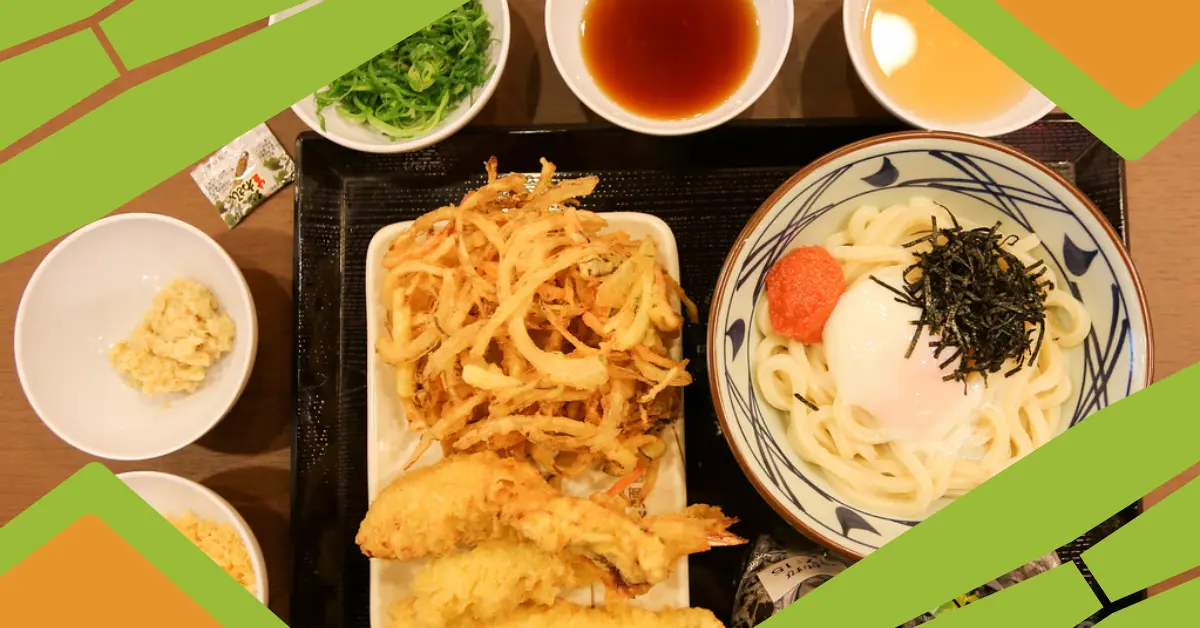
One of the most talked‑about examples is at the major udon chain Marugame Seimen, where a special campaign recently drew long lines and bustling crowds during lunch hours.
On February 25, Marugame Seimen began a three‑day limited campaign in which customers who order any item from the kamatama udon menu receive a second bowl for free. This means diners can enjoy two bowls of udon for the price of one. The promotion proved immediately popular, with busy counters and trays piled high with two bowls of udon at nearly every table.
The free second bowl can be eaten by the same person, shared with friends or family, or enjoyed later. Customers interviewed during the campaign shared their enthusiasm. Many mentioned how satisfying it was to enjoy two bowls of udon, especially at a time when food prices are relatively high.
Some customers also mentioned how they appreciated the opportunity to experiment with toppings and flavors. One diner said it was “nice to get to try more variations because toppings are unlimited,” while another commented on how great the deal was because it allowed them to eat more at a reasonable price.
Three women who visited the restaurant together exemplified the campaign’s light‑hearted spirit. Before eating, one joked that they brought a friend “just in case” someone could not finish both bowls. In the end, they happily finished all the udon within about 20 minutes, showing that customers were eager to take full advantage of the offer.
This promotion is more than just a gimmick. It offers a real value proposition to customers while also drawing crowds during peak lunchtime hours.
Buy One, Get One Free Campaigns at Convenience Stores
The same type of promotion is now being seen in convenience stores across Japan.
Convenience stores such as FamilyMart have launched campaigns in which customers who purchase qualifying items like drinks receive a free exchange ticket attached to their receipt. This ticket can later be redeemed for a second item of the same type at no extra cost.
These campaigns began in late February, with FamilyMart starting one on February 24. When customers buy eligible products within the campaign period, their receipt includes a ticket they can use during a later visit to claim the free item.
This model differs from the typical instant BOGO promotion because the free item is not given immediately at the time of purchase. Instead, customers must return to the store at a later date to redeem their free item using the ticket.
Although this may initially seem less convenient than receiving both items at once, the strategy is designed with a deeper marketing purpose. By having customers come back to the store to redeem their free item, convenience stores increase the chance of additional purchases during that return visit. This approach encourages repeat visits, which in turn helps stores boost overall revenue rather than just making a one‑time sale.
The free exchange ticket campaigns are currently being offered by several convenience store companies, and many of them follow this same process of issuing tickets for future redemption.
Why Retailers Are Expanding These Promotions
Retail analysts say there are several reasons why “buy one, get one free” and free exchange ticket campaigns are being used more frequently right now.
One key factor is the timing. February is often considered a challenging month for retail sales in Japan because it has fewer days than other months, meaning there are fewer opportunities to attract customers and drive purchases. Sales can slow after the rush of New Year’s and Valentine’s Day spending.
According to consumer economy analyst Hiroaki Watanabe, this is one reason why retailers are turning to promotions like these. By offering a free item that requires a return visit, retailers hope to increase the number of times customers come into their stores.
Watanabe explains that when customers come back to redeem their free item, there is a greater chance they will purchase other products at the same time. This can increase the overall value of each customer visit, which is especially valuable during slower sales periods.
Rather than simply discounting prices across the board, these targeted campaigns give customers a strong incentive to visit and then visit again. This helps businesses maintain or even increase sales without reducing the price of every product.
Marketing Advantages of Free Second Item Campaigns
These promotions are not only attractive to consumers but also offer strategic benefits to businesses. Some of the key advantages include:
- Increased Foot Traffic:
By offering a free second item, businesses draw customers into their stores who might otherwise have gone elsewhere or not shopped at all. - Encouraging Repeat Visits:
Campaigns that require customers to return later such as those issuing exchange tickets— help foster repeat visits. Every repeat visit is an opportunity to sell additional products. - Perceived Value for Customers:
Customers feel that they are getting more value for their money. This enhances customer satisfaction and can strengthen brand loyalty. - Cross‑Selling Opportunities:
When customers return to redeem their free item, they are more likely to make additional purchases during the same visit. This increases the overall transaction value for the retailer. - Seasonal Sales Boost:
By strategically deploying these campaigns during slower periods such as late winter, retailers can smooth out fluctuations in sales and maintain steady revenue.
Consumer Reactions
Response from customers to these campaigns has been overwhelmingly positive. Many consumers appreciate the value they receive. Given rising living costs and cautious consumer spending, these deals provide a welcome sense of savings.
Customers also appreciate the flexibility of the free second item. Being able to share it with someone else or enjoy it later makes the campaigns feel more generous and adaptable to individual needs.
In convenience stores, many shoppers plan their trips to redeem free items strategically. A shopper might buy a drink one day, and then return later when running other errands, using the incentive as part of their regular routine.
What This Means for the Future of Retail
The emergence of widespread BOGO and free exchange ticket campaigns suggests that Japanese retailers are experimenting with innovative strategies to engage customers. These promotions are more than just short‑term sales boosters; they represent a shift toward experience‑driven and loyalty‑focused marketing.
As competition increases in both food service and retail sectors, companies are looking for ways to differentiate themselves. Promotions that offer clear value and encourage repeated interaction with the brand help strengthen consumer relationships.
If this trend continues, similar campaigns could expand into other retail categories such as personal care products, health foods, and seasonal items. Retailers may also combine these promotions with digital tools like mobile apps and loyalty programs, creating more personalized incentives for customers.
Conclusion
The current rise of “buy one, get one free” campaigns and free exchange ticket promotions in Japan represents a fusion of consumer value and smart retail strategy. Whether it is enjoying a second bowl of udon at a favorite restaurant or returning to a convenience store to claim a free drink, customers are benefiting from significant savings while businesses build stronger engagement and sales.
As Japan moves into 2026, these campaigns show how creative incentives can benefit both sides of the marketplace-giving customers value and giving retailers new ways to succeed in competitive environments.