Is Japan Finally Changing Its Work Culture? The Truth About Work-Life Balance
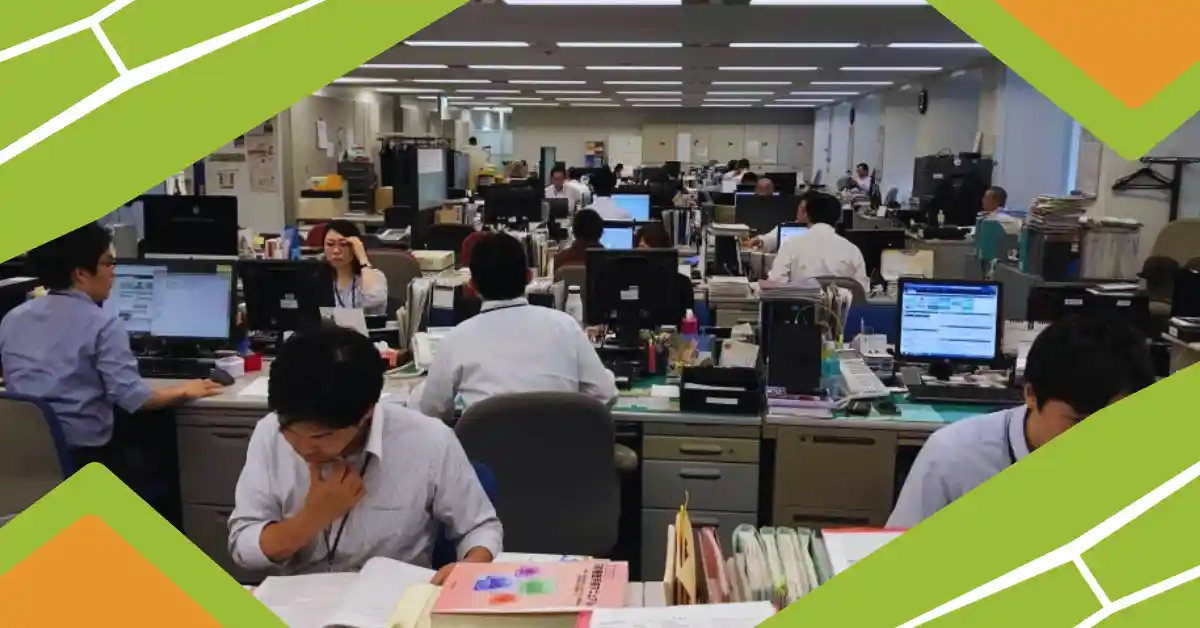
For decades, Japan has been synonymous with intense work ethics, long office hours, and deep-rooted corporate loyalty. The image of salarymen working late into the night and prioritizing company over personal life has defined global perceptions of Japanese work culture. However, in recent years, a quiet but significant transformation has been unfolding.
So, is Japan finally changing its work culture? The answer is more complex than a simple yes or no. While traditional expectations still exist, structural reforms, generational shifts, and labor shortages are pushing the country toward a more balanced approach to work and life.
The Traditional Japanese Work Culture: Why It Became So Intense
To understand whether change is happening, it’s important to understand what Japan is changing from.
Japan’s post-war economic boom built a system centered around lifelong employment, seniority-based promotion, and extreme loyalty to a single company. Employees were expected to prioritize work above all else, often staying late not because of workload alone, but because leaving early could be seen as a lack of dedication.
In major business hubs like Tokyo, long working hours became normalized across industries. Concepts such as karoshi (death by overwork) even entered the global vocabulary, highlighting the extreme consequences of overwork.
This culture was reinforced by several factors:
1. Lifetime Employment Expectations
Many large corporations traditionally offered long-term job security in exchange for loyalty, discouraging job-hopping or flexible career planning.
2. Group Harmony Over Individual Needs
Japanese workplace culture often emphasizes collective harmony (wa), where employees hesitate to leave before their superiors or colleagues.
3. Unpaid Overtime Normalization
Even when not officially required, staying late became an unspoken expectation, leading to widespread unpaid overtime practices.
These foundations built a strong but rigid system that has taken decades to question and slowly change.
The Pressure for Change: Why Work Culture Is Shifting Now
Japan’s work culture is not changing in isolation. It is being reshaped by demographic, economic, and social pressures that make the old model increasingly unsustainable.
One of the biggest drivers is Japan’s aging population and shrinking workforce. With fewer young workers entering the job market, companies can no longer rely on endless labor supply or rigid expectations of overwork.
At the same time, younger generations are rethinking what work means. Unlike previous generations, they are more willing to prioritize mental health, flexibility, and personal fulfillment over company loyalty.
Government intervention has also played a major role. Policies promoting “work style reform” (hatarakikata kaikaku) have encouraged companies to reduce overtime, improve productivity, and support remote work options.
The COVID-19 pandemic accelerated this shift dramatically. Remote work, once rare in Japan, became widely adopted almost overnight. Many companies realized that productivity did not necessarily depend on physical presence in the office.
Government Reforms and Corporate Response
The Japanese government has introduced several initiatives aimed at reshaping labor culture. These reforms are not just symbolic, they are legally and structurally influencing how companies operate.
One of the most notable changes has been stricter regulation of overtime hours. Companies are now required to better track working hours, and penalties for excessive overtime have increased.
Additionally, policies encouraging paid leave usage have gained momentum. Historically, many employees hesitated to take their annual leave due to workplace pressure. Now, companies are increasingly required to ensure employees actually use their entitled vacation days.
However, corporate adoption of these reforms varies widely. Large multinational firms and tech companies are generally more progressive, while traditional manufacturing firms and older corporate structures tend to change more slowly.
Changing Employee Mindsets: The Role of Younger Workers
A major cultural shift is happening from within the workforce itself. Younger employees in Japan are increasingly rejecting the extreme work expectations of previous generations.
Instead of seeking lifelong employment at a single company, many now prioritize:
- Work-life balance and personal time
- Career flexibility and skill development
- Mental health and reduced stress environments
This shift is especially visible in urban areas, where job mobility is higher and global workplace trends have more influence.
The rise of side jobs and freelance work has also contributed to this change. Many younger professionals now view a single job as just one part of their income and identity, rather than their entire career.
This generational shift is one of the strongest forces pushing Japan’s labor market toward modernization.
The Reality Today: Has Japan Truly Changed?
Despite visible progress, it would be inaccurate to say Japan has fully transformed its work culture. Instead, the country is in a transitional phase caught between tradition and modernization.
On one hand, improvements are real. Remote work is more accepted than ever before, overtime regulations are stricter, and discussions around mental health are more open.
On the other hand, cultural expectations still persist. In many companies, especially traditional ones, employees still feel pressure to stay late or avoid leaving before their managers. Social expectations can sometimes override official policies.
The result is a dual structure:
- Modern workplaces adopting flexible, global standards
- Traditional workplaces maintaining hierarchical, long-hour expectations
This coexistence makes Japan’s work culture uniquely complex compared to many Western countries where changes have been more uniform.
Work-Life Balance in Modern Japan: What’s Actually Improving?
Work-life balance in Japan is improving, but gradually and unevenly. The most noticeable progress is happening in specific sectors.
1. Technology and Startups
These industries are leading the shift toward flexible hours, remote work, and performance-based evaluation rather than time-based presence.
2. Government-Led Corporate Reform
Public campaigns promoting reduced overtime and vacation usage are slowly changing workplace norms.
3. Urban Professional Environments
In major cities like Tokyo and Osaka, global exposure has made companies more open to hybrid work models and employee wellness programs.
However, challenges remain. Long commutes, cultural expectations of group alignment, and slow-changing corporate hierarchies still impact daily life for many workers.
The Cultural Shift Is Real, But Not Complete
The most accurate way to describe Japan’s work culture today is “evolving rather than transformed.”
Change is visible, but it is layered. Instead of a sudden break from tradition, Japan is undergoing a gradual recalibration of expectations. Older systems are not disappearing overnight; they are being reshaped, adapted, and in some cases, resisted.
What makes this shift particularly interesting is that it is happening without losing Japan’s core cultural identity. Respect, discipline, and dedication to quality remain central values but they are increasingly being balanced with personal well-being and efficiency.
The Future of Work Culture in Japan
Looking ahead, several trends are likely to define the next decade of workplace evolution in Japan:
- Continued expansion of remote and hybrid work models
- Greater acceptance of job mobility and career changes
- Stronger enforcement of labor protection laws
- Increased focus on mental health and employee wellness
- Gradual decline of rigid seniority-based systems
The direction is clear, even if the pace varies. Japan is not abandoning its work culture, it is redefining it.
Conclusion: A Slow but Meaningful Transformation
So, is Japan finally changing its work culture? Yes but not in a dramatic or immediate way.
Instead, the country is experiencing a slow transformation driven by necessity, generational change, and global influence. The traditional model of extreme work commitment is no longer fully sustainable, and both government and society are actively reshaping expectations.
The truth about work-life balance in Japan is that it is improving, but unevenly. Some workplaces are already aligned with modern global standards, while others continue to operate under older cultural frameworks.
Ultimately, Japan’s work culture is not disappearing it is evolving into something more flexible, balanced, and human-centered.