How to Make Japanese Food at Home: Basics, Ingredients & Methods Explained
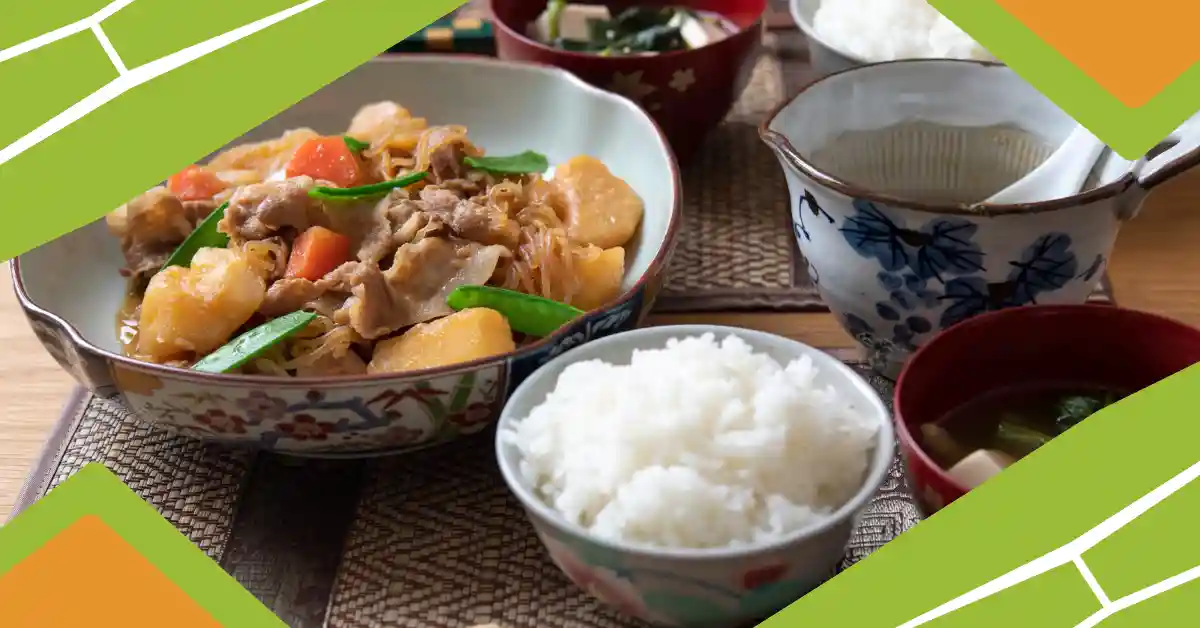
Japanese food at home is becoming increasingly popular among home cooks who want healthier, flavorful, and visually appealing meals without complicated restaurant techniques. The beauty of Japanese cuisine lies in its simplicity, balance, and deep respect for natural flavors. With the right basics, ingredients, and cooking methods, anyone can recreate authentic Japanese dishes in their own kitchen even without professional training or specialty equipment.
This guide will walk you through the essentials of Japanese cooking, from pantry staples to foundational techniques, so you can confidently start preparing delicious meals inspired by Japan’s rich culinary tradition.
Understanding the Foundations of Japanese Cuisine
At its core, Japanese cooking is built on harmony between taste, texture, color, and nutrition. Unlike heavily spiced cuisines, it focuses on enhancing the natural flavor of ingredients rather than masking them. This is why rice, seafood, vegetables, and fermented foods play such an important role.
When exploring Japanese food at home, the first thing to understand is the concept of umami, often described as the “fifth taste.” Umami-rich ingredients like soy sauce, miso, seaweed, and dried fish stock (dashi) form the backbone of most dishes. These ingredients create depth and satisfaction without requiring heavy seasoning.
Another key principle is seasonal eating. Traditional meals are often built around what is fresh and available, ensuring both flavor and nutrition remain at their peak. Even at home, following this approach can elevate simple dishes into something truly authentic.
Essential Ingredients for Authentic Japanese Cooking
A well-stocked pantry is the foundation of great Japanese cooking. While it may seem unfamiliar at first, most ingredients are now easily available in supermarkets or Asian grocery stores.
The most important staple is rice, particularly short-grain or sushi rice, which has a slightly sticky texture perfect for bowls, sushi, and side dishes. Alongside rice, soy sauce is indispensable, adding saltiness and umami depth to almost every savory dish.
Miso paste is another essential ingredient, made from fermented soybeans. It is commonly used in soups, marinades, and dressings, providing a rich and savory flavor profile. Dashi, a traditional stock made from kombu (sea kelp) and bonito flakes, forms the base of many soups and sauces and is often considered the soul of Japanese cooking.
Other common ingredients include mirin (sweet rice wine used for cooking), rice vinegar for balance and acidity, and sesame oil for aroma and depth. Fresh produce like daikon radish, green onions, mushrooms, and leafy greens are also frequently used to complement dishes.
With these ingredients on hand, creating authentic flavors becomes much easier, even in a home kitchen setup.
Core Cooking Methods in Japanese Cuisine
Japanese cooking relies on a few fundamental techniques that bring out the natural essence of ingredients. These methods are simple but highly effective, making them ideal for home cooks.
One of the most common methods is simmering, known as “nimono,” where ingredients are gently cooked in a seasoned broth until they absorb flavor. This technique is often used for vegetables, tofu, and fish, resulting in tender and deeply flavorful dishes.
Grilling, or “yakimono,” is another popular method. Fish, chicken, and vegetables are lightly seasoned and grilled to enhance their natural taste while achieving a slightly charred aroma. This method is widely used in everyday meals due to its simplicity and speed.
Frying, especially in the form of tempura, involves lightly coating ingredients in a delicate batter before frying them until crisp. Despite being fried, the texture remains light and non-greasy, making it a beloved cooking style.
Steaming is also widely used, particularly for dishes like chawanmushi (savory egg custard), where gentle heat preserves delicate textures and flavors.
Together, these methods form the backbone of traditional Japanese cooking and allow even beginners to create restaurant-quality meals at home.
Easy Japanese Meals You Can Start With
If you are just getting started, it is best to focus on simple, comforting dishes that use minimal ingredients but deliver maximum flavor.
Miso soup is one of the easiest and most iconic dishes. Made with dashi stock and miso paste, it can be customized with tofu, seaweed, mushrooms, or green onions. It is light, nourishing, and perfect as a starter for any meal.
Teriyaki chicken is another beginner-friendly recipe. The sweet-savory glaze made from soy sauce, mirin, and sugar creates a rich coating that pairs perfectly with steamed rice. It is a great introduction to balancing flavors.
Donburi, or rice bowls, are also ideal for home cooking. These bowls combine rice with toppings like beef, chicken, egg, or vegetables, all seasoned with flavorful sauces. They are quick to assemble and highly versatile.
Udon noodles served in hot broth or stir-fried versions are another comforting option, offering a chewy texture and soothing flavor that makes them a household favorite in Japan.
These dishes are not only simple but also represent the essence of traditional home-style Japanese cooking.
Tips to Bring Authentic Flavor to Your Kitchen
To truly master Japanese food at home, it is important to focus on subtle details rather than complex techniques. One of the most important tips is to build flavor gradually. Instead of using heavy seasoning, layers of umami from dashi, soy sauce, and miso should be combined carefully.
Presentation also plays a big role in Japanese cuisine. Meals are often arranged neatly with attention to color balance and portion size. Even simple dishes feel special when served thoughtfully.
Another key tip is to avoid overcooking. Many Japanese dishes rely on preserving the natural texture of ingredients, so gentle heat and precise timing are essential.
Finally, keeping a few core ingredients stocked at all times ensures you can prepare meals quickly without compromising authenticity. Once these habits are in place, cooking becomes both efficient and enjoyable.
Bringing It All Together
Learning Japanese cuisine is less about complexity and more about understanding balance, simplicity, and respect for ingredients. With a few pantry staples and basic cooking methods, anyone can enjoy flavorful and satisfying meals at home.
Whether you are preparing a comforting bowl of miso soup or experimenting with teriyaki dishes, the journey into Japanese cooking is both rewarding and accessible. As you continue practicing, your confidence will grow, and so will your ability to recreate authentic flavors.
In the end, Japanese food at home is not just about cooking it is about experiencing a culinary philosophy that values harmony, freshness, and simplicity in every bite.