Dashi Japan’s Soup Stock: Essential Ingredient for Authentic Japanese Cooking
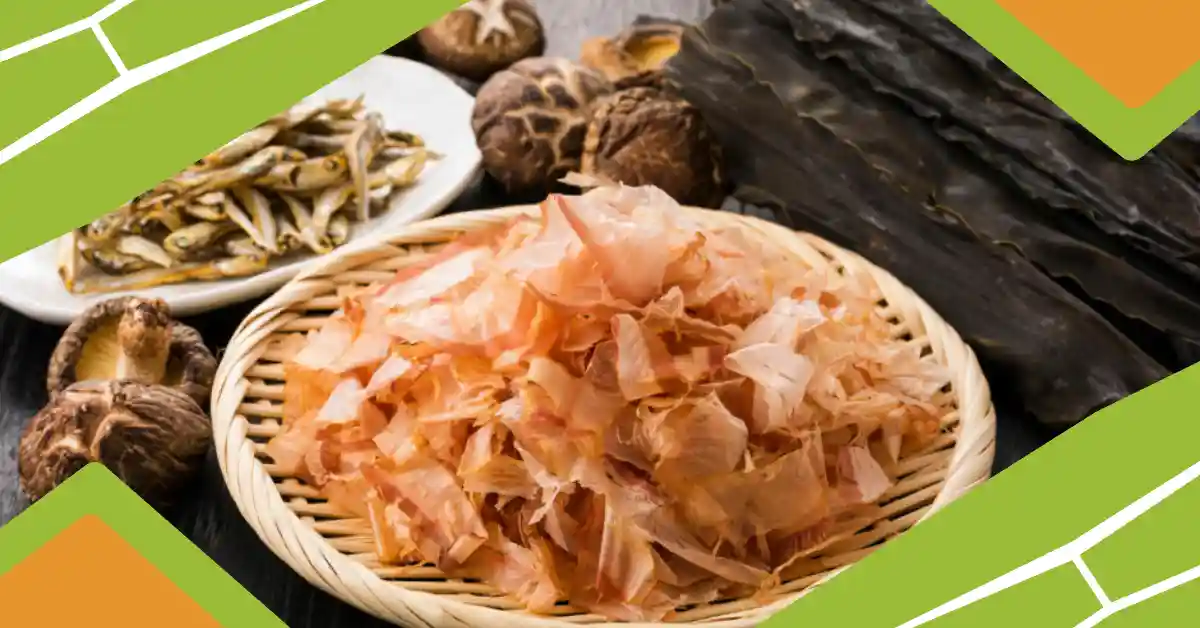
When exploring Japanese cuisine, one cannot overlook the role of Dashi Japan’s soup stock that gives many dishes their signature umami flavor. Unlike Western stocks that often rely on long-simmered bones or vegetables, Dashi is a delicate yet deeply flavorful broth that highlights the simplicity and elegance of Japanese cooking. This article delves into what Dashi is, its types, culinary uses, and tips for incorporating it into everyday cooking.
Understanding Dashi Japan’s soup stock
Dashi is a traditional Japanese stock made by simmering simple ingredients such as kombu (kelp), katsuobushi (dried bonito flakes), and sometimes shiitake mushrooms. Despite its simplicity, Dashi is incredibly rich in umami the savory taste recognized as the fifth basic flavor. Umami is a key aspect of Japanese cooking, creating depth and enhancing natural flavors without the need for heavy seasoning.
The beauty of Dashi lies in its versatility. It serves as the base for soups, sauces, simmered dishes, and even noodle broths, making it an indispensable component in Japanese kitchens. Its light and clear consistency allows it to complement rather than overpower other ingredients, a hallmark of Japanese culinary philosophy.
Types of Dashi: From Traditional to Modern Variations
Dashi comes in several varieties, each with unique characteristics and uses:
- Kombu Dashi: Made solely from kelp, kombu Dashi has a subtle, oceanic flavor perfect for vegetarian or vegan dishes. It provides a natural umami base without fish-based ingredients.
- Katsuobushi Dashi: Combining kombu and dried bonito flakes, this Dashi is slightly smoky and more complex. It is often used in classic miso soup and clear noodle soups.
- Awase Dashi: This is a blend of kombu and katsuobushi, offering a balanced and versatile stock used in numerous recipes.
- Shiitake Dashi: Prepared from dried shiitake mushrooms, this version is rich in earthy umami flavors and is popular in vegetarian cuisine.
While traditional Dashi requires careful preparation, instant Dashi powders and granules are widely available. These convenient alternatives maintain the essence of Dashi, making it easier for home cooks to incorporate its flavors into daily meals.
How Dashi Enhances Japanese Cuisine
The magic of Dashi is in its ability to elevate dishes with minimal effort. In Japanese cooking, Dashi is more than just a soup base it is a flavor enhancer that harmonizes ingredients. Here are a few key ways it is used:
- Soups and Broths: Miso soup, clear soups, and noodle broths like udon or soba are incomplete without the subtle umami of Dashi.
- Simmered Dishes: Traditional simmered vegetables and proteins, such as nikujaga (meat and potato stew), rely on Dashi for depth and richness.
- Sauces and Dressings: Dashi can enrich dipping sauces for tempura or add complexity to ponzu and other condiments.
Even when used sparingly, Dashi brings a nuanced flavor profile that transforms ordinary ingredients into extraordinary dishes. It is this understated power that makes it a cornerstone of Japanese cooking.
Making Dashi Japan’s soup stock at Home
Creating Dashi at home is surprisingly simple, requiring only a few high-quality ingredients. Here’s a basic guide:
- Kombu and Water: Start by soaking a piece of kombu in cold water for 20–30 minutes. Gentle heating brings out its subtle flavors without bitterness.
- Adding Katsuobushi: Once the water is near boiling, remove the kombu and add katsuobushi flakes. Let them steep for a few minutes before straining.
- Alternative Options: For a vegetarian version, substitute katsuobushi with dried shiitake mushrooms, simmering them to release their umami essence.
The result is a clear, aromatic stock that can be used immediately or stored in the refrigerator for a couple of days. With minimal effort, home cooks can experience the authentic taste of Japanese cuisine.
Tips for Using Dashi Effectively
Dashi is meant to enhance, not dominate, so it’s important to balance flavors carefully. Using it in combination with ingredients like soy sauce, mirin, or miso can create layered, harmonious tastes that bring out the best in a dish without overpowering it.
The quality of ingredients matters greatly when making Dashi. High-quality kombu and bonito flakes can make a noticeable difference in the depth, clarity, and overall richness of the stock. Investing in good ingredients ensures your Dashi has that authentic, umami-packed flavor that defines Japanese cuisine.
Dashi’s versatility also allows for creative experimentation beyond traditional Japanese recipes. It can add umami to non-Japanese dishes, such as risottos, sauces, or vegetable stews, giving them a subtle but sophisticated depth of flavor. By exploring these fusion possibilities, cooks can expand the culinary potential of this classic stock.
Why Dashi Is Essential in Modern Cooking
In today’s culinary landscape, where umami-rich flavors are celebrated worldwide, Dashi remains a simple yet sophisticated tool for chefs and home cooks alike. It exemplifies the Japanese principle of highlighting natural ingredients while keeping preparation straightforward. Moreover, Dashi aligns with health-conscious trends due to its low-calorie, nutrient-rich composition.
Whether you’re making a traditional miso soup or experimenting with global cuisine, incorporating Dashi can transform your cooking. Its subtle taste, ease of preparation, and adaptability ensure that it remains relevant, bridging traditional Japanese techniques with modern culinary practices.
Conclusion
Understanding what Dashi Japan’s soup stock is and how it shapes Japanese cuisine offers a glimpse into the heart of Japan’s culinary philosophy. From its umami-rich simplicity to its versatile applications, Dashi is much more than just a soup stock it is the secret behind the depth and elegance of countless dishes. By exploring Dashi and experimenting with its uses, home cooks and food enthusiasts can bring a taste of Japan into their kitchens, one flavorful sip at a time.
Also Read: What Is Teishoku? A Guide to the Traditional Japanese Set Meal