Rural vs Urban Japan: Exploring Two Completely Different Lifestyles
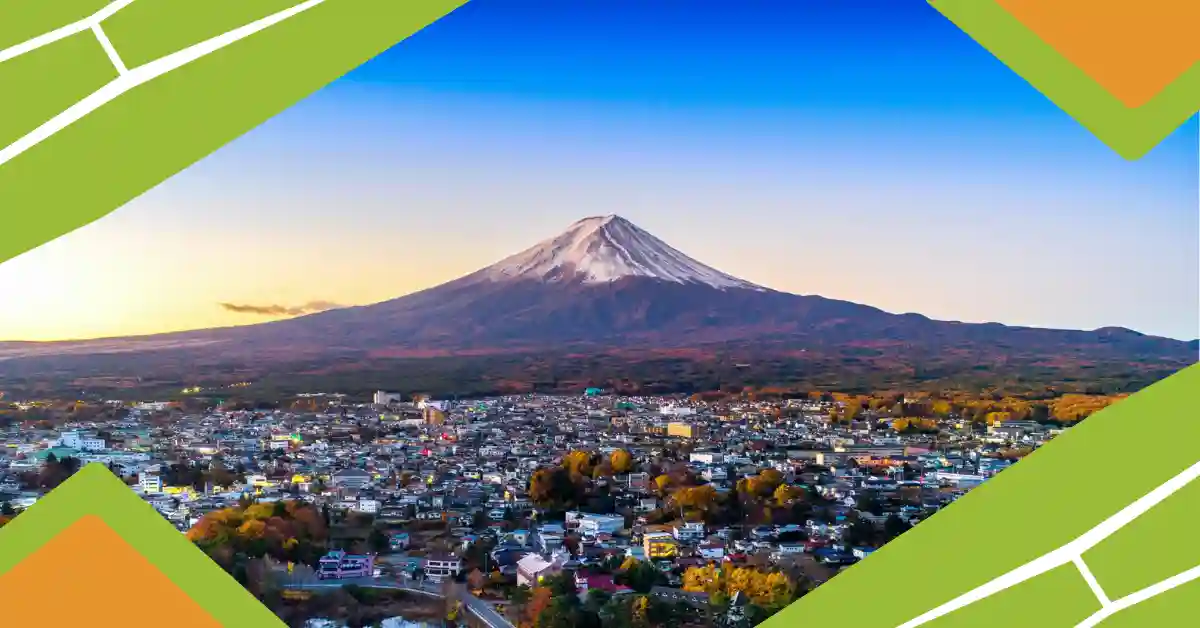
Rural vs urban Japan reveals a striking contrast between modern metropolitan energy and deeply traditional countryside living. From neon-lit cities like Tokyo and Osaka to quiet farming villages in Tohoku or Kyushu, Japan offers two lifestyles that feel almost like different countries within the same nation.
For travelers, expats, or anyone fascinated by Japanese culture, understanding this divide is essential. It shapes everything from daily routines and job opportunities to food culture, transportation, and even social relationships.
In this article, we explore how rural and urban Japan differ, why these differences exist, and what each lifestyle offers in today’s rapidly evolving society.
Urban Japan: Fast-Paced, High-Tech, and Highly Connected
Urban Japan is often what people imagine first when they think of the country. Cities like Tokyo, Osaka, Yokohama, and Nagoya are global hubs of technology, commerce, and entertainment. These cities are densely populated, highly efficient, and built around convenience.
Life in urban Japan is defined by speed and accessibility. Public transportation is one of the most advanced in the world, with trains running on time to the minute. The famous Shinkansen (bullet train) connects major cities, making travel across regions fast and seamless. Convenience stores, known as konbini, are everywhere and operate 24/7, offering everything from hot meals to bill payments.
Work culture in cities tends to be demanding. Many residents work long hours in corporate offices, often commuting crowded trains during peak times. However, urban life also provides unmatched access to entertainment, education, healthcare, and career opportunities.
Some defining features of urban living include:
- High-rise apartments and compact living spaces
- Extensive public transport networks
- Diverse job markets and international companies
- Vibrant nightlife and entertainment districts
- High cost of living, especially housing
Despite its intensity, urban Japan offers convenience and opportunity that attract millions of people, especially younger generations seeking career growth and global exposure.
Rural Japan: Traditional, Peaceful, and Community-Oriented
In contrast, rural Japan presents a much slower and more traditional way of life. Towns and villages in regions like Hokkaido, Shikoku, and rural Honshu are characterized by open landscapes, rice fields, mountains, and coastal scenery. Life here is deeply connected to nature and seasonal cycles.
Communities in rural areas tend to be smaller and tightly knit. People often know their neighbors well, and local festivals play a central role in maintaining cultural traditions. Agriculture, fishing, and small-scale local industries are more common sources of employment compared to corporate jobs in cities.
Daily life in the countryside is quieter and less rushed. While public transportation exists, many residents rely on cars due to limited train and bus services. Shops may close earlier, and entertainment options are more limited compared to urban centers.
Key characteristics of rural living include:
- Spacious homes with gardens or farmland
- Strong community bonds and social traditions
- Slower pace of life with less congestion
- Deep connection to nature and seasonal living
- Limited but stable local employment opportunities
This version of Japan preserves many cultural traditions that have faded in urban areas. Festivals, local crafts, and agricultural practices continue to play an important role in everyday life.
Cultural and Lifestyle Differences Between City and Countryside
The contrast between rural and urban Japan goes far beyond geography. It influences mindset, values, and lifestyle choices. While cities focus on efficiency and modernization, rural areas prioritize harmony, tradition, and community.
One of the most noticeable differences is the relationship with time. Urban residents often structure their lives around tight schedules, deadlines, and productivity. In rural areas, life is more flexible and influenced by natural rhythms such as planting and harvest seasons.
Another major difference lies in social interaction. In cities, people often live anonymously, especially in large apartment complexes. In rural towns, social life is more interconnected, and community expectations play a stronger role in behavior.
Education and job opportunities also differ significantly. Urban areas offer access to top universities, specialized training, and multinational corporations. Rural regions, while improving, still face challenges such as aging populations and youth migration to cities.
Despite these differences, both lifestyles share core Japanese values such as respect, discipline, and cultural pride. Interestingly, many young people today are beginning to rethink the benefits of rural living, especially as remote work becomes more common.
Why the Divide Exists and How It Is Changing
The divide between rural and urban Japan is largely the result of economic development and post-war urbanization. After World War II, Japan experienced rapid industrial growth, which concentrated jobs and infrastructure in major cities. As a result, rural populations declined as younger generations moved to urban centers for education and employment.
This migration created challenges for rural regions, including aging populations and declining local economies. However, in recent years, government initiatives and lifestyle shifts have started to slow this trend.
Remote work, digital connectivity, and a growing interest in sustainability have made rural living more attractive again. Some people are choosing to leave crowded cities in favor of quieter environments with lower living costs and better work-life balance.
At the same time, cities continue to evolve, becoming more international, technologically advanced, and culturally diverse. Tokyo, for example, remains one of the most dynamic cities in the world, blending tradition with cutting-edge innovation.
Understanding rural vs urban Japan today means recognizing that the divide is no longer absolute. Instead, it is becoming a spectrum where people can choose lifestyles that best suit their personal and professional goals.
The Balance Between Tradition and Modernity
Japan’s identity is deeply rooted in its ability to balance tradition with modernity. Nowhere is this more visible than in the contrast between its rural and urban regions.
Urban Japan represents the future, fast, digital, and globally connected. Rural Japan represents the past cultural heritage, natural beauty, and traditional values. Together, they form a complete picture of Japanese society.
Tourists often experience both sides: the neon lights of Shibuya or Shinjuku, followed by peaceful temples in Kyoto or rural onsen towns tucked away in the mountains. This duality is part of what makes Japan so unique and culturally rich.
As society evolves, the gap between these two lifestyles may continue to narrow, but the essence of both will remain important to Japan’s identity.
Conclusion: Two Worlds Within One Country
The contrast of rural and urban Japan highlights a fascinating reality two lifestyles coexisting within one highly developed nation. While cities offer opportunity, innovation, and convenience, the countryside provides tradition, tranquility, and community.
The discussion around rural vs urban Japan is not about which is better, but about understanding how each contributes to the country’s cultural and social fabric. Whether one prefers the energy of Tokyo or the calm of a rural village, both experiences reveal different but equally meaningful aspects of Japanese life.
Ultimately, Japan’s strength lies in this balance. It is a country where ancient traditions survive alongside futuristic cities, offering a rare glimpse into how modern society and heritage can thrive together.