Public Transport in Japan: Why It’s Considered the World’s Most Efficient Transit System
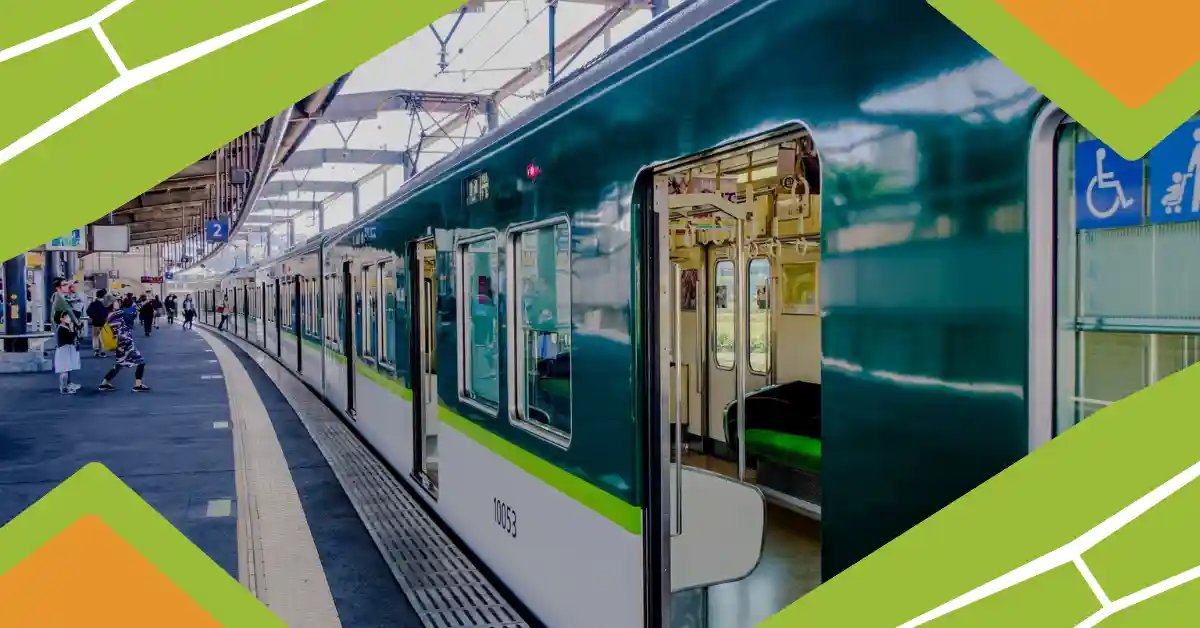
Public transport in Japan is widely regarded as one of the most efficient, reliable, and technologically advanced transit systems in the world, setting global standards for punctuality, safety, and convenience.
Few countries have mastered mass transit the way Japan has. From ultra-fast bullet trains to seamlessly connected urban rail networks, Japan’s transportation ecosystem is often studied as a model of precision and planning. What makes it truly remarkable is not just the technology, but the culture, infrastructure design, and operational discipline that work together to create a near-flawless system.
The Foundation of Precision: Punctuality and High-Speed Rail Excellence
One of the strongest reasons Japan’s transit system is globally admired is its unmatched punctuality. Trains are known to arrive and depart within seconds of their scheduled time. Even minor delays are rare and taken seriously by operators.
At the heart of this reputation is the famous Shinkansen (bullet train) network. These high-speed trains connect major cities like Tokyo, Osaka, Kyoto, and Hiroshima at speeds exceeding 300 km/h while maintaining extraordinary precision and safety records.
Unlike many rail systems around the world that struggle with delays caused by congestion or infrastructure issues, Japan’s rail operators design schedules with remarkable accuracy. Maintenance is performed during off-peak hours, and systems are continuously monitored to prevent disruptions before they occur.
The result is a transport experience where passengers can plan their lives around train timetables with confidence, something that is rare in most global cities.
Seamless Connectivity Across Cities and Urban Networks
Another major factor behind Japan’s transit success is the seamless integration between different modes of transport. Whether traveling within a city or between regions, passengers experience a smooth transition between trains, subways, buses, and even airports.
Major cities like Tokyo and Osaka feature complex but highly organized rail networks operated by multiple companies. Despite this complexity, stations are designed for easy navigation, with clear signage, synchronized schedules, and well-planned transfer routes.
In urban areas, metro systems connect directly with suburban rail lines, allowing commuters to travel long distances without needing private vehicles. Even rural areas are linked through regional rail lines and bus services, ensuring nationwide connectivity.
This level of integration significantly reduces travel friction and eliminates the need for personal car ownership in many cases. It also helps reduce traffic congestion in densely populated cities.
Key aspects that support this connectivity include:
- Unified ticketing systems like IC cards (e.g., Suica and Pasmo)
- Timed transfers between rail operators
- Station layouts designed for efficient passenger flow
- Coordinated schedules across multiple transport providers
These features collectively strengthen why public transport in Japan is not just a service but a highly synchronized national system.
Cultural Discipline and Passenger Behavior
Technology and infrastructure alone do not explain Japan’s transit efficiency. A crucial element is the cultural discipline of both passengers and operators.
Commuters in Japan are known for their orderly behavior. Boarding and alighting trains is done in an organized manner without pushing or rushing. Queueing is standard practice, and silence is generally maintained on trains to respect fellow passengers.
Station staff and train operators also adhere to strict operational protocols. Announcements are precise, safety procedures are consistently followed, and customer service is highly structured.
This culture of respect and discipline reduces delays and ensures smooth operations even during peak rush hours in major cities like Tokyo, where millions of passengers commute daily.
The system also places strong emphasis on safety. Platforms are carefully designed with barriers in many stations, and staff are trained to manage crowd flow efficiently. This minimizes accidents and enhances overall reliability.
Advanced Technology and Continuous Innovation
Japan’s transit efficiency is also powered by constant innovation. Rail operators and government agencies invest heavily in modernizing infrastructure and adopting cutting-edge technologies.
The Shinkansen system, for example, uses advanced signaling systems that allow trains to run at high speeds with minimal risk. Predictive maintenance technologies monitor track conditions, train performance, and system health in real time.
Urban rail systems are also increasingly automated. Many metro lines use driver-assist or fully automated train operations, improving both efficiency and safety. Smart ticketing systems reduce congestion at station gates, allowing millions of passengers to move quickly during rush hours.
Mobile integration has further improved user experience. Commuters can now check train schedules, platform changes, and delays in real time through mobile apps. This digital integration ensures that passengers are always informed and can adjust their travel plans accordingly.
Sustainability and Urban Planning Integration
Japan’s transit success is closely linked to its urban planning philosophy. Cities are designed around railway stations rather than cars, promoting dense, walkable communities.
This transit-oriented development reduces dependency on private vehicles and supports environmental sustainability. As a result, Japan has significantly lower per-capita emissions from transportation compared to many Western countries.
Electric trains dominate most rail networks, further reducing carbon footprints. Investments in energy-efficient systems and regenerative braking technology help conserve power across the network.
Additionally, compact city design ensures that most residents live within walking distance of a train or bus station. This encourages public transport usage and reduces the need for extensive road infrastructure.
Economic Efficiency and Everyday Accessibility
Another reason Japan’s transit system stands out is its affordability and accessibility. Despite its high quality, fares remain reasonably priced for daily commuters. Discount passes, commuter subscriptions, and integrated fare systems make travel cost-effective for workers and students alike.
Stations are also highly accessible, with elevators, escalators, and clear signage accommodating elderly passengers and tourists. Multilingual support has improved significantly, especially in major cities, making navigation easier for international visitors.
This combination of affordability, accessibility, and reliability makes the system inclusive and widely usable across all demographics.
Why Japan Sets the Global Benchmark
When evaluating global transportation systems, Japan consistently ranks at the top due to its holistic approach. It is not just one factor but the combination of punctuality, infrastructure design, cultural discipline, technological advancement, and sustainability that makes it exceptional.
While many countries excel in one or two areas of public transit, Japan integrates all of them into a unified system that functions with extraordinary consistency.
The phrase public transport in Japan has therefore become synonymous with efficiency, precision, and reliability worldwide.
Conclusion
Japan’s transportation network is more than just a means of travel; it is a carefully engineered ecosystem that reflects the country’s values of discipline, innovation, and efficiency. From high-speed rail to urban metro systems, every component is designed to work in harmony.
As cities around the world continue to struggle with congestion and inefficiency, Japan’s model offers valuable lessons in planning, technology integration, and cultural cooperation. It demonstrates that world-class transit systems are built not only on infrastructure but also on consistency, respect, and long-term vision.
Ultimately, the success of public transport in Japan shows how a nation can transform mobility into a seamless, reliable, and sustainable experience for millions every day.