Shinkansen Japanese Bullet Train: Speed, Technology, and Efficiency Explained in Detail
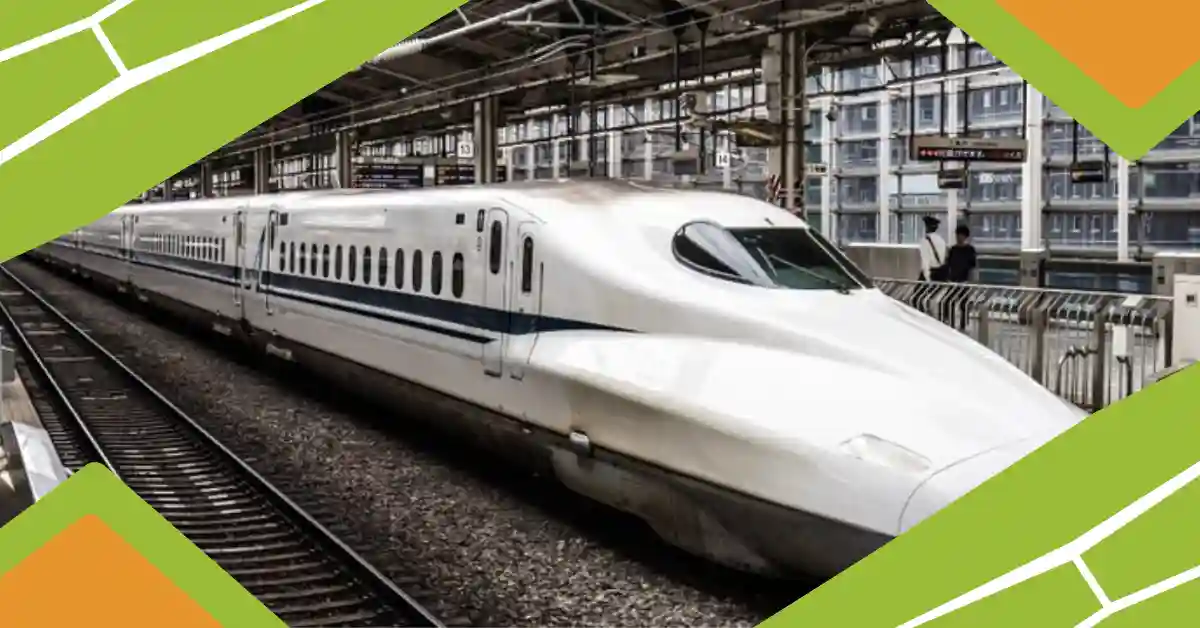
Shinkansen Japanese Bullet Train is one of the most advanced high-speed rail systems in the world, known for precision engineering, unmatched punctuality, and remarkable safety standards. Shinkansen has redefined modern transportation by combining speed, comfort, and energy efficiency into a seamless travel experience that continues to inspire rail networks globally. From its inception in Japan to its expansion across major routes, the system represents a technological marvel that blends innovation with practicality.
The Evolution of High-Speed Rail in Japan
The development of Japan’s high-speed rail system began in the mid-20th century, driven by the need to connect major cities efficiently during a period of rapid economic growth. Before its introduction, travel between cities like Tokyo and Osaka was time-consuming and limited by conventional rail speeds. The emergence of the Shinkansen changed that reality entirely.
When it first launched in 1964, coinciding with the Tokyo Olympics, it symbolized Japan’s post-war technological resurgence. The system was designed not only to reduce travel time but also to set new standards for railway safety and reliability. Over the decades, the network expanded, introducing new train models, improved track systems, and more efficient operations.
Today, this rail network is more than just transportation; it is a national symbol of innovation. Millions of passengers rely on it annually for business, tourism, and daily commuting. The continued upgrades reflect Japan’s commitment to maintaining leadership in rail technology while adapting to modern environmental and economic challenges.
Speed and Engineering Excellence Behind the System
One of the defining features of the Shinkansen is its incredible speed. Modern trains regularly operate at speeds exceeding 300 km/h, allowing passengers to travel long distances in significantly reduced time. This performance is not achieved through speed alone but through carefully engineered systems that ensure stability, safety, and comfort even at high velocities.
The train’s aerodynamic design plays a crucial role in minimizing air resistance and noise. The streamlined front shapes, often inspired by nature such as the kingfisher bird, help reduce the sonic boom effect when entering tunnels. Tracks are also specially designed with gentle curves and precise gradients, allowing smooth acceleration and deceleration.
Another key factor is the advanced suspension system, which reduces vibrations and ensures a stable ride. Unlike conventional rail systems, the Shinkansen operates on dedicated tracks, eliminating interference from slower trains or freight traffic. This separation is essential for maintaining consistent high-speed operations.
Key engineering features include:
- Dedicated high-speed rail corridors for uninterrupted travel
- Aerodynamic train designs optimized for minimal air resistance
- Precision track alignment to support high-speed stability
- Advanced braking systems for safe deceleration at extreme speeds
Together, these elements create a transport system where speed does not compromise safety or comfort, making it one of the most efficient rail networks ever built.
Technology Driving the Modern Rail Network
The technological foundation of the Shinkansen extends far beyond its physical design. At its core, it relies on highly sophisticated signaling systems, automated controls, and real-time monitoring to ensure smooth operations across thousands of kilometers of track.
One of the most important innovations is the Automatic Train Control (ATC) system. Instead of relying solely on manual operation, trains are continuously monitored and adjusted through centralized control systems. This ensures precise spacing between trains and eliminates the risk of collisions.
Additionally, earthquake detection technology is integrated into the network. Japan’s geographical location makes seismic activity a constant concern, so sensors placed along the tracks can instantly detect tremors. When an earthquake is detected, trains automatically slow down or stop to prevent derailments, showcasing a proactive approach to safety.
Maintenance technology is equally advanced. Tracks are regularly inspected using automated diagnostic trains that identify even the smallest irregularities. This predictive maintenance approach minimizes downtime and ensures consistent performance.
The combination of automation, real-time monitoring, and predictive systems allows the Shinkansen to operate with extraordinary reliability. Delays are measured in seconds rather than minutes, reinforcing its reputation as one of the most punctual transport systems in the world.
Efficiency, Safety, and Sustainability in Modern Rail Travel
Efficiency is one of the core principles behind the success of the Shinkansen. Unlike air or road transport, high-speed rail offers a balanced combination of speed, energy efficiency, and environmental sustainability. It consumes significantly less energy per passenger compared to airplanes and cars, making it a greener alternative for long-distance travel.
Energy efficiency is achieved through lightweight materials, regenerative braking systems, and optimized operational scheduling. Regenerative braking allows trains to convert kinetic energy back into electrical energy, which is then reused within the system. This reduces overall power consumption and enhances sustainability.
Safety is another area where the system excels. Since its introduction, it has maintained an extraordinary safety record with virtually zero passenger fatalities due to train accidents. This is a result of strict engineering standards, continuous monitoring, and proactive maintenance protocols.
From an environmental perspective, high-speed rail also contributes to reduced carbon emissions by encouraging travelers to choose trains over short-haul flights or cars. This shift plays a significant role in national efforts to reduce greenhouse gas emissions.
The operational efficiency can be summarized through several key aspects:
- Energy-efficient propulsion and braking systems
- Minimal environmental impact compared to air travel
- Extremely high punctuality rates with minimal delays
- Strong safety record supported by advanced monitoring systems
These elements collectively position the Shinkansen as a model for sustainable transportation in the 21st century.
The Future of High-Speed Rail Innovation
As technology continues to evolve, the Shinkansen is also undergoing continuous improvement. Future developments focus on increasing speed, reducing environmental impact, and enhancing passenger comfort. Experimental models are already exploring magnetic levitation (maglev) technology, which could dramatically increase travel speeds beyond current limits.
Digital transformation is also playing a role in enhancing passenger experience. Smart ticketing systems, real-time travel updates, and AI-driven maintenance predictions are making the system more efficient and user-friendly.
Urban expansion and increasing demand for eco-friendly transport solutions ensure that high-speed rail will remain a critical part of Japan’s infrastructure strategy. The ongoing evolution of this system demonstrates how engineering excellence and innovation can work together to shape the future of global transportation.
Conclusion
The Shinkansen represents far more than a fast train system; it is a comprehensive example of how technology, engineering, and sustainability can merge to create a world-class transportation network. From its historical beginnings to its modern advancements, it continues to set benchmarks in speed, safety, and efficiency.
With continuous innovation and a strong focus on environmental responsibility, the Shinkansen remains a global leader in high-speed rail technology. Its influence extends beyond Japan, inspiring countries worldwide to rethink the future of rail travel and sustainable mobility.
Also Read: Public Transport in Japan: Why It’s Considered the World’s Most Efficient Transit System