Top 10 Must-Try Japanese Foods Beyond Sushi and Ramen You Need to Taste
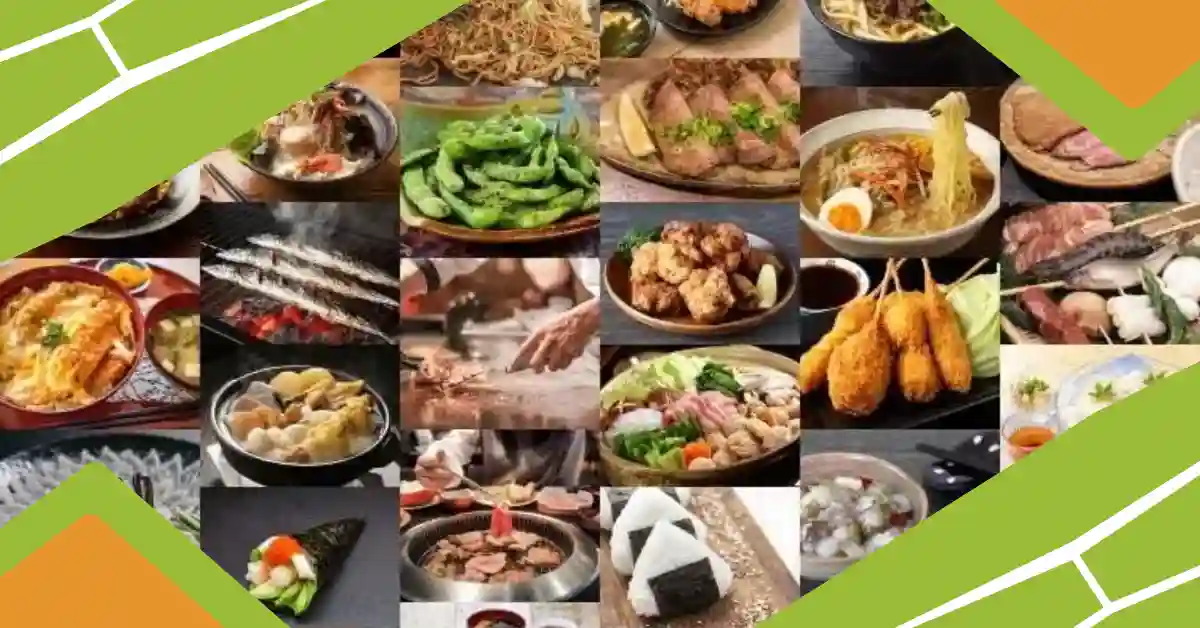
If you are exploring must-try Japanese foods, you probably already know sushi and ramen but Japan’s culinary world goes far beyond these global favorites. From crispy street snacks to refined multi-course dining, Japanese cuisine offers an incredible variety of flavors, textures, and traditions that reflect centuries of cultural evolution. Whether you’re a foodie traveler or simply curious about authentic dishes, discovering these lesser-known specialties will transform the way you experience Japanese food.
In this guide, we’ll take you through the top 10 Japanese dishes beyond sushi and ramen that deserve a place on your foodie bucket list. Each dish highlights a unique aspect of Japan’s regional ingredients, cooking techniques, and dining culture.
1. Tempura – Light, Crispy, and Perfectly Fried
Tempura is one of Japan’s most iconic fried dishes, featuring seafood and vegetables coated in a delicate batter and quickly deep-fried to perfection. Unlike heavy Western-style frying, tempura is known for its light, airy texture and minimal oil absorption.
Common ingredients include shrimp, sweet potato, eggplant, and green beans. It is often served with tentsuyu dipping sauce made from soy sauce, dashi, and mirin. Tempura can be enjoyed as a standalone meal or as part of a set menu with rice and miso soup.
2. Okonomiyaki – The Savory Japanese Pancake
Okonomiyaki is a hearty savory pancake made from flour, eggs, shredded cabbage, and a variety of optional ingredients such as pork, shrimp, or cheese. The name literally means “grill what you like,” reflecting its customizable nature.
Two main regional styles exist: Osaka-style, where ingredients are mixed into the batter, and Hiroshima-style, which layers ingredients including noodles. Topped with okonomiyaki sauce, mayonnaise, and bonito flakes, this dish is a comforting favorite across Japan.
3. Takoyaki – Osaka’s Famous Street Snack
Takoyaki are bite-sized balls of batter filled with diced octopus, green onions, and pickled ginger. Cooked in special molded pans, they are crispy on the outside and creamy on the inside.
Originally from Osaka, takoyaki is a beloved street food often enjoyed at festivals. It is typically topped with takoyaki sauce, mayonnaise, seaweed flakes, and bonito shavings that dance from the heat.
4. Yakitori – Grilled Skewers Full of Flavor
Yakitori refers to skewered chicken grilled over charcoal, though modern variations include vegetables, beef, and seafood. Each part of the chicken from thighs to liver is used, showcasing Japan’s “no waste” culinary philosophy.
Yakitori is commonly enjoyed in casual izakaya (Japanese pubs) with drinks. It can be seasoned simply with salt or brushed with a savory-sweet tare sauce made from soy sauce, sugar, and sake.
5. Kaiseki Ryori – The Art of Fine Dining
Kaiseki is a traditional multi-course Japanese meal that represents the pinnacle of Japanese haute cuisine. Each course is carefully designed to reflect seasonal ingredients, balance, and artistic presentation.
A typical kaiseki meal may include appetizers, sashimi, simmered dishes, grilled items, and a delicate dessert. More than just food, kaiseki is a cultural experience emphasizing harmony, aesthetics, and mindfulness.
6. Soba – Nutty and Nutritious Buckwheat Noodles
Soba noodles are made from buckwheat flour and have a distinct nutty flavor. They can be served hot in broth or cold with dipping sauce, making them versatile for all seasons.
Cold soba is especially popular in summer, while hot versions are comforting in winter. Rich in nutrients and easy to digest, soba is also considered a healthy alternative to wheat-based noodles.
7. Udon – Thick, Chewy Comfort Noodles
Udon noodles are thick wheat noodles known for their soft and chewy texture. They are typically served in a light soy-based broth, often topped with tempura, tofu, or green onions.
Regional variations of udon exist across Japan, such as Sanuki udon from Kagawa Prefecture, which is especially firm and chewy. Udon is a comfort food enjoyed by people of all ages.
8. Tonkatsu – Crispy Breaded Pork Cutlet
Tonkatsu is a deep-fried pork cutlet coated in panko breadcrumbs, giving it a light yet crispy crust. It is usually served with shredded cabbage, rice, miso soup, and a thick, tangy tonkatsu sauce.
This dish was inspired by Western cuisine but has become a staple in Japanese households and restaurants. Variations include chicken katsu and katsu sandwiches.
9. Unagi – Grilled Eel with Sweet Glaze
Unagi refers to freshwater eel, typically grilled and glazed with a sweet soy-based sauce called kabayaki. It is often served over rice in a dish called unadon or unaju.
Unagi is especially popular in summer in Japan, as it is believed to provide stamina and energy. Its rich, smoky flavor makes it a delicacy enjoyed on special occasions.
10. Wagyu Beef – The Ultimate Melt-in-Your-Mouth Experience
Wagyu beef is world-famous for its intense marbling and buttery texture. Whether enjoyed as steak, sukiyaki, or shabu-shabu, wagyu delivers a luxurious dining experience unlike any other beef.
Sukiyaki features thin slices of wagyu simmered in a sweet-savory broth, while shabu-shabu involves briefly cooking the meat in hot water or broth. Both methods highlight the meat’s natural flavor and tenderness.
Final Thoughts – Exploring Japan Beyond the Classics
Japanese cuisine is far more diverse than sushi and ramen alone. From street foods like takoyaki to refined dining experiences like kaiseki, each dish tells a story of tradition, seasonality, and craftsmanship. Exploring these dishes allows you to appreciate the depth of Japanese culinary culture on a whole new level.
If you are planning a food journey or simply expanding your culinary horizons, discovering must-try Japanese foods beyond the familiar staples will open the door to unforgettable flavors and experiences.