Tempura and Deep-Fried Japanese Dishes: Origins, Flavors, and Culinary Traditions Guide
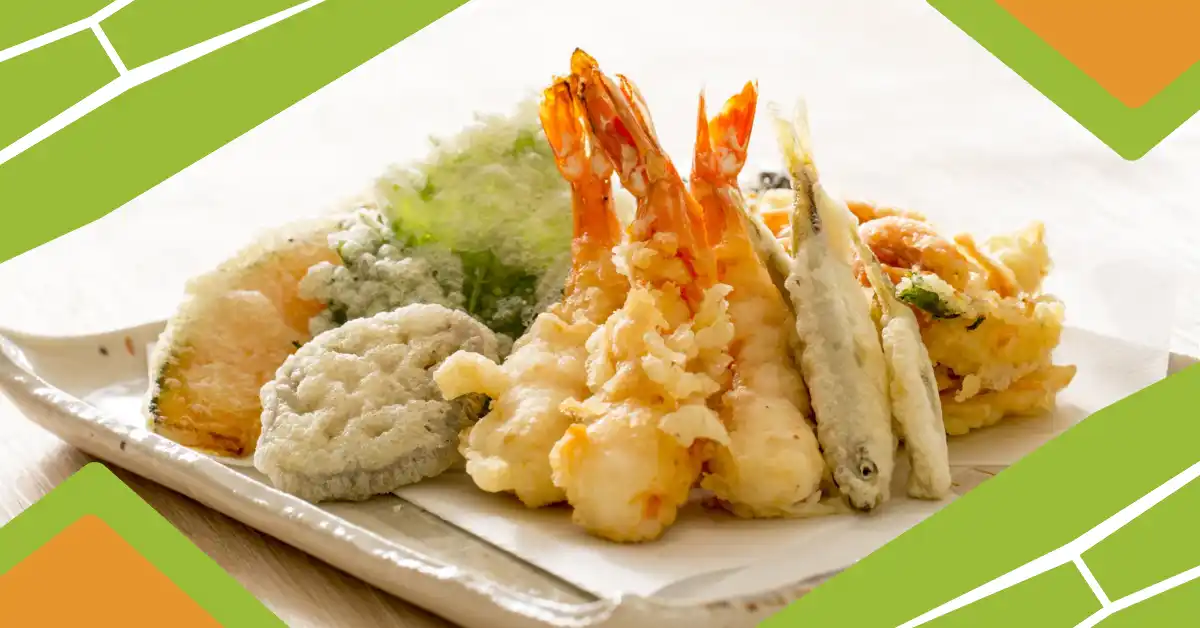
Tempura and Deep-Fried Japanese Dishes represent one of Japan’s most beloved culinary art forms, blending delicate technique with crisp textures and subtle flavors that have evolved over centuries. From street stalls in Tokyo to refined kaiseki dining, these golden-fried creations reflect both history and craftsmanship in Japanese cuisine.
The Origins of Tempura and Deep-Fried Japanese Cuisine
Deep-fried foods in Japan have a surprisingly international origin story. Tempura, the most iconic example, is widely believed to have been introduced in the 16th century by Portuguese missionaries and traders who arrived in Nagasaki. They brought with them a cooking technique of batter-frying fish and vegetables, which gradually merged with Japanese culinary philosophy.
Unlike Western-style frying, Japanese cooks refined the method to emphasize lightness rather than heaviness. Over time, tempura became a distinctly Japanese dish, characterized by its airy batter and clean, non-greasy finish.
During the Edo period (1603–1868), tempura gained massive popularity in Edo (modern-day Tokyo), where street vendors began serving freshly fried seafood and vegetables. It was considered both a quick snack and a flavorful meal for urban workers. As oil became more accessible and cooking techniques improved, deep-fried dishes diversified beyond tempura into what we now recognize as a broader category of Japanese fried cuisine.
Today, the evolution of Tempura and Deep-Fried Japanese Dishes reflects a balance between imported influence and native refinement, showcasing how Japan transforms external ideas into something uniquely its own.
Techniques That Define Japanese Deep-Fried Perfection
At the heart of Japanese frying techniques lies precision. Unlike heavier fried foods found in many cuisines, Japanese chefs prioritize temperature control, ingredient freshness, and minimal oil absorption. The goal is not to mask the ingredient but to elevate it.
Tempura batter is typically made from a simple mixture of cold water, flour, and egg. The key is minimal mixing, which prevents gluten development and ensures a light, crisp coating. Oil temperature is equally important, usually maintained around 170–180°C for optimal texture.
Common ingredients used in tempura and related dishes include seafood like shrimp and white fish, as well as seasonal vegetables such as sweet potato, eggplant, and pumpkin. These ingredients are chosen not only for flavor but also for their ability to maintain structure during frying.
A few essential principles define the technique:
- Cold batter preparation ensures a crisp, airy texture
- Fresh oil and high heat control prevent greasiness
- Seasonal ingredients highlight natural Japanese culinary philosophy
- Light coating technique preserves the original taste of ingredients
While tempura is the most recognized form, other deep-fried Japanese dishes such as tonkatsu (breaded pork cutlet) and karaage (Japanese fried chicken) have also become staples in both home cooking and restaurant culture.
Flavors and Regional Interpretations Across Japan
Japanese deep-fried cuisine is not uniform; it varies significantly across regions, reflecting local ingredients and cultural preferences. In coastal areas, seafood dominates tempura selections, while inland regions favor vegetables and meats.
In Tokyo, tempura is often served with a light tentsuyu dipping sauce made from dashi, soy sauce, and mirin. In contrast, Osaka cuisine tends to favor richer, more robust flavors, often pairing fried dishes with stronger seasoning or sauces.
The diversity of Tempura and Deep-Fried Japanese Dishes is also influenced by seasonal eating traditions. Spring may feature mountain vegetables like bamboo shoots, while autumn brings mushrooms and root vegetables into frying baskets.
Popular variations include:
- Kakiage: Mixed vegetable fritters often served over rice or soba noodles
- Ebi tempura: Crispy shrimp tempura, a classic favorite in sushi restaurants
- Karaage: Bite-sized marinated chicken pieces with a savory crunch
- Tonkatsu: Breaded pork cutlet served with shredded cabbage and sauce
Each variation offers a different texture and flavor profile, but all share the same foundation of careful frying technique and ingredient respect.
Cultural Significance and Dining Traditions
Deep-fried dishes in Japan are more than just food, they are part of cultural rituals and dining etiquette. Tempura, for example, is often served as part of a multi-course kaiseki meal, where it appears alongside sashimi, grilled dishes, and soups in a carefully balanced progression.
In traditional tempura restaurants, chefs often serve each piece immediately after frying, ensuring diners experience the perfect texture at its peak. This “eat immediately” philosophy reflects the Japanese appreciation for freshness and timing.
Street food culture also plays an important role. Tempura stands and fried snack vendors remain popular at festivals, train stations, and markets. These casual settings contrast with high-end tempura restaurants, yet both uphold the same respect for technique and flavor.
The influence of Tempura and Deep-Fried Japanese Dishes extends beyond Japan as well. International chefs have adapted tempura techniques into fusion cuisine, incorporating local ingredients while preserving the signature light batter style.
Modern Culinary Trends and Global Influence
In recent years, Japanese fried cuisine has evolved alongside global food trends. Health-conscious adaptations now include air-frying techniques and alternative oils, while gourmet restaurants experiment with fusion fillings and creative presentations.
Chefs around the world continue to draw inspiration from Japanese frying methods, particularly the emphasis on simplicity and ingredient purity. Tempura-style frying has become a global standard in fine dining, often used to enhance seafood, vegetables, and even desserts.
In Japan, innovation continues within tradition. High-end restaurants experiment with micro-seasonal ingredients, specialized flours, and precise oil blends to refine texture and flavor further. Meanwhile, casual dining continues to celebrate comfort foods like karaage and tonkatsu, ensuring accessibility for all audiences.
This balance between tradition and innovation ensures that deep-fried Japanese cuisine remains both timeless and contemporary.
Conclusion: A Culinary Legacy of Crisp Perfection
From its historical roots to its modern interpretations, Japanese fried cuisine represents a unique blend of cultural exchange, technical mastery, and culinary philosophy. Whether enjoyed as street food or fine dining, these dishes continue to captivate food lovers around the world.
The enduring appeal of Tempura and Deep-Fried Japanese Dishes lies in their simplicity and precision transforming humble ingredients into something light, crisp, and deeply satisfying. As Japanese cuisine continues to evolve globally, tempura and its related dishes remain a symbol of balance, craftsmanship, and culinary elegance.
Also Read: Matcha, Mochi & Japanese Street Food: Best Traditional Snacks You Must Try in Japan