Ramen Varieties in Japan: Top Regional Flavors Every Ramen Lover Should Know
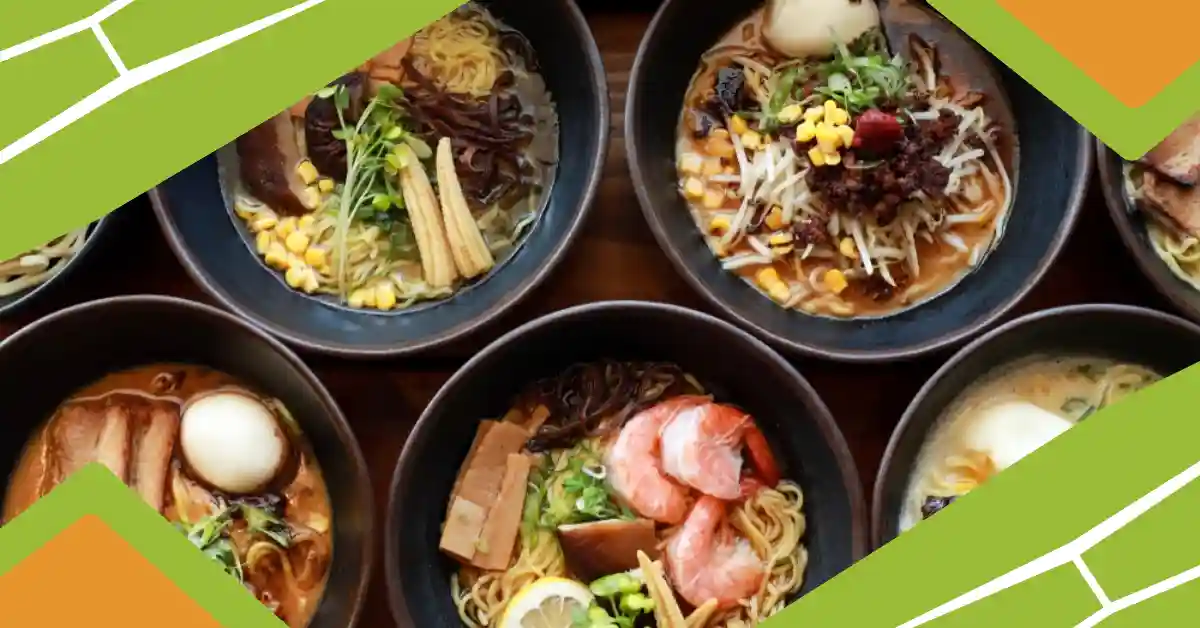
If you are exploring Japan’s culinary culture, few dishes are as iconic and diverse as ramen. The phrase Ramen varieties perfectly captures the incredible range of styles, broths, and regional interpretations that make this dish a national treasure. From rich pork-based soups in the south to delicate soy broths in the north, Japan’s ramen landscape is a journey worth savoring for every food lover.
Understanding Ramen varieties is not just about taste, it’s about geography, tradition, and the evolution of local food culture. Each bowl tells a story shaped by climate, history, and regional ingredients, making ramen one of Japan’s most expressive comfort foods.
The Cultural Roots Behind Japan’s Ramen Diversity
Ramen in Japan is not a single dish but a culinary universe shaped by centuries of adaptation. Originally influenced by Chinese noodle soups, it evolved into a distinctly Japanese creation after World War II, when wheat flour became widely available. Over time, local chefs began adapting the dish to suit regional tastes, giving rise to the wide spectrum of Ramen varieties we see today.
One of the most fascinating aspects of ramen culture is how deeply it reflects regional identity. Coastal cities often lean toward seafood-based broths, while inland regions favor richer, meat-based stocks. Climate also plays a role in northern Japan, known for its harsh winters, favors hearty, warming bowls, whereas southern regions often feature lighter, more refreshing flavors.
This regional creativity is what transformed ramen from a simple noodle soup into a national culinary symbol.
Hokkaido: Rich, Buttery, and Cold-Weather Comfort
In Japan’s northernmost island, Hokkaido, ramen is built for survival against freezing temperatures. The most famous style here is miso ramen, known for its thick, savory, and slightly sweet broth made from fermented soybean paste.
This region’s interpretation of Ramen varieties often includes corn, butter, and roasted garlic, adding depth and richness to the soup. Sapporo, the capital city, is especially known for its signature miso ramen, which delivers both warmth and energy during long winters.
Unlike lighter styles found elsewhere, Hokkaido ramen is bold and filling, designed to satisfy after a day in the snow. The noodles are typically curly and firm, helping them hold onto the thick broth.
Tokyo: The Balanced Heart of Shoyu Ramen
Tokyo represents one of the most widely recognized ramen styles in Japan. The capital is famous for shoyu ramen, which features a clear soy sauce-based broth that strikes a balance between lightness and umami depth.
Among all Ramen varieties, Tokyo-style ramen is considered the most approachable for newcomers due to its clean flavor profile. The broth is typically made from chicken or pork bones, combined with soy sauce, creating a savory yet refreshing taste.
Common toppings include sliced pork (chashu), bamboo shoots, green onions, and nori (seaweed). The noodles are usually thin and straight, designed to complement rather than overpower the broth.
Tokyo ramen reflects the city itself efficiently, balanced, and endlessly adaptable.
Kyushu: The Creamy Depth of Tonkotsu Ramen
Heading south to Kyushu, the ramen experience becomes dramatically richer. This region is home to tonkotsu ramen, a style known for its creamy, opaque broth made by boiling pork bones for hours until they release collagen and fat.
This is one of the most indulgent Ramen varieties, delivering a deeply savory and almost milk-like texture. The result is a bold, aromatic bowl that has become famous worldwide.
Fukuoka, especially the Hakata district, is considered the birthplace of tonkotsu ramen. The noodles here are thin and firm, allowing them to cook quickly and absorb the intense broth efficiently. Many shops also offer “kaedama,” or extra noodle refills, encouraging diners to extend their meal.
Tonkotsu ramen is not just food, it is an experience of richness and depth that defines Kyushu’s food culture.
Regional Creativity and Modern Ramen Evolution
Beyond the three major regions, Japan continues to innovate endlessly with ramen. Local chefs experiment with seafood broths in coastal towns, spicy miso blends in colder inland areas, and even fusion styles that incorporate international flavors.
This evolution shows how Ramen varieties are constantly expanding rather than remaining fixed. In places like Hokkaido’s coastal cities, seafood shio ramen highlights crab, scallop, and kelp-based broths. Meanwhile, Kyoto offers lighter, refined soy-based versions that reflect the city’s elegant culinary traditions.
Modern ramen shops in Tokyo and Osaka are also pushing boundaries with truffle oil, vegan broths, and even cheese-infused bowls, proving that ramen continues to evolve with global food trends.
How Regional Ingredients Shape Flavor Profiles
One of the key reasons Japan’s ramen culture is so diverse lies in its use of local ingredients. Wheat flour types vary by region, affecting noodle texture. Water quality influences broth clarity and taste. Even seasoning methods differ from place to place.
These subtle differences are what make exploring Ramen varieties so rewarding. For example, Kyushu’s soft water contributes to the creamy texture of tonkotsu broth, while Hokkaido’s cold climate enhances the richness of fermented miso-based soups.
This deep connection between environment and cuisine is a defining feature of Japanese cooking philosophy, where food is shaped by nature as much as by human creativity.
Why Ramen Remains a Global Comfort Food
Although ramen is deeply rooted in Japanese tradition, its global popularity continues to grow. International chefs have embraced its versatility, creating adaptations that respect tradition while introducing new ingredients and techniques.
Still, the essence of authentic Ramen varieties remains tied to Japan’s regional diversity. Whether you are enjoying a steaming bowl in a small Sapporo shop or a bustling Tokyo ramen bar, the experience is always tied to place, culture, and craftsmanship.
Ramen’s global appeal lies in its ability to be both simple and complex at the same time. A bowl of noodles, broth, and toppings can represent centuries of culinary evolution while still feeling like a personal comfort meal.
Final Thoughts: A Journey Through Japan in a Bowl
Exploring ramen in Japan is like traveling through a culinary map of the country. Each region offers a distinct interpretation shaped by history, climate, and local taste preferences. From the hearty miso bowls of Hokkaido to the refined shoyu ramen of Tokyo and the rich tonkotsu of Kyushu, every style adds depth to Japan’s food culture.
Understanding Ramen varieties allows food lovers to appreciate not just the flavors, but the stories behind them. It is a reminder that ramen is more than just a meal it is a living tradition that continues to evolve while staying deeply connected to its roots.
For anyone passionate about Japanese cuisine, exploring these regional differences is one of the most rewarding culinary journeys you can take.
Also Read: Japanese Wagashi Traditional Sweets: History, Types, and Cultural Significance