Japanese Wagashi Traditional Sweets: History, Types, and Cultural Significance Explained
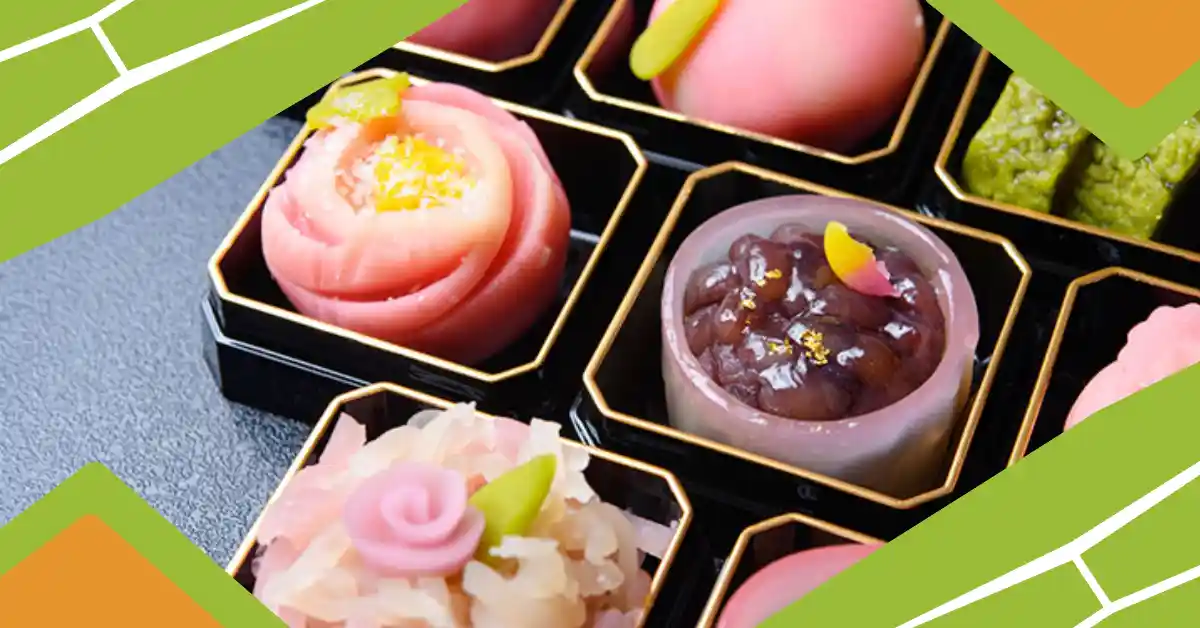
Wagashi are traditional Japanese sweets that embody elegance, seasonality, and centuries of refined culinary artistry. These delicate confections are far more than simple desserts; they are an expression of Japanese culture, aesthetics, and mindfulness. Crafted with ingredients such as red bean paste, rice flour, and natural flavorings, Wagashi reflect a deep connection between food and nature. Understanding their evolution and cultural importance reveals why they remain an essential part of Japanese traditions even in modern times.
The Historical Evolution of Wagashi in Japan
The origins of Wagashi can be traced back to ancient Japan, where early forms of sweets were influenced by Chinese confectionery introduced during the Nara period (710–794). Initially, sweets were simple and often used in religious offerings or imperial ceremonies. Over time, especially during the Heian period (794–1185), refined court culture elevated these treats into artistic expressions enjoyed by nobility.
The development of tea culture during the Muromachi period (1336–1573) significantly shaped the identity of Wagashi. As tea ceremonies became more formalized, the demand for sweets that complemented the bitterness of matcha grew. This led to the creation of highly aesthetic and seasonally inspired confections. By the Edo period (1603–1868), Wagashi had become widely accessible, with regional variations flourishing across Japan.
The evolution of these sweets reflects Japan’s broader cultural shift toward simplicity, refinement, and harmony with nature. Even today, traditional methods of preparation are preserved, ensuring that each piece maintains its historical essence while adapting to modern tastes.
Cultural Significance and Aesthetic Philosophy
Wagashi holds deep cultural meaning in Japanese society, extending beyond taste to symbolize seasonal awareness and emotional expression. Each sweet is carefully designed to reflect the time of year, whether it is cherry blossoms in spring, maple leaves in autumn, or snow patterns in winter. This seasonal representation aligns with the Japanese concept of “shun,” which emphasizes enjoying foods at their peak freshness and symbolic relevance.
In traditional tea ceremonies, Wagashi plays a crucial role in balancing flavors and enhancing the spiritual experience. The sweetness of these confections complements the bitterness of matcha, creating a harmonious sensory experience. More importantly, their presentation encourages mindfulness, as each design invites appreciation of beauty in simplicity.
The philosophy behind Wagashi is closely tied to “wabi-sabi,” the appreciation of imperfection and impermanence. Their delicate shapes and subtle colors are intentionally crafted to evoke emotion rather than excess. This cultural depth transforms Wagashi into more than food; they become edible art that communicates respect for nature, time, and human connection.
Traditional Types and Craftsmanship of Wagashi
The world of Wagashi includes a wide variety of styles, each with distinct textures, ingredients, and cultural meanings. While there are hundreds of regional variations, they can generally be appreciated through a few classic forms that highlight the artistry behind their creation.
One of the most well-known types is nerikiri, a soft and highly decorative sweet made from white bean paste and rice flour. It is often shaped into intricate floral or seasonal designs, showcasing the skill of the artisan. Another popular variety is daifuku, a chewy rice cake filled with sweet red bean paste, sometimes enhanced with fruits like strawberries for a modern twist.
Yokan is another traditional form, a firm jelly-like sweet made from red bean paste, agar, and sugar. Its smooth texture and rich flavor make it a staple in Japanese confectionery culture. Meanwhile, dorayaki, consisting of sweet red bean paste sandwiched between fluffy pancakes, has gained international popularity due to its approachable taste.
The craftsmanship behind Wagashi is highly respected in Japan. Artisans, known as “Wagashi-shi,” often undergo years of training to master techniques that require precision, patience, and artistic sensitivity. Every detail from color selection to shape and texture is carefully considered to ensure harmony with seasonal themes and cultural symbolism.
Seasonal Beauty and Artistic Expression
One of the most defining features of Wagashi is its deep connection to the seasons. Unlike many Western desserts, which prioritize flavor consistency year-round, Wagashi changes in appearance and design throughout the year. This seasonal adaptability reflects the Japanese appreciation for nature’s cycles and fleeting beauty.
Spring-inspired Wagashi often feature motifs such as cherry blossoms, symbolizing renewal and hope. In summer, designs become lighter and cooler, sometimes resembling flowing water or fireflies. Autumn brings warm tones and maple leaf shapes, while winter sweets may incorporate snowflake-like patterns or soft white hues that evoke tranquility.
This seasonal artistry is not only visual but also emotional. It encourages people to pause and reflect on the passage of time, fostering a deeper appreciation for natural change. Through this lens, Wagashi becomes a medium for storytelling, capturing moments in nature and transforming them into edible expressions of art.
Modern Relevance and Global Appreciation
In contemporary Japan, Wagashi continues to evolve while maintaining its traditional roots. Modern confectioners experiment with new flavors, ingredients, and presentations to appeal to younger generations and international audiences. Matcha-flavored sweets, fruit-infused fillings, and even fusion desserts have emerged, blending tradition with innovation.
Despite these modern adaptations, the essence of Wagashi remains unchanged. They are still deeply tied to cultural rituals, seasonal festivals, and tea ceremonies. In fact, their global popularity has grown significantly, with international visitors seeking authentic Japanese culinary experiences that go beyond ordinary desserts.
Social media has also played a role in popularizing Wagashi, as their visually stunning designs make them highly shareable. This digital exposure has introduced a new generation of enthusiasts to the artistry and cultural depth behind these traditional sweets.
Conclusion: The Timeless Elegance of Wagashi
Wagashi represents far more than confectionery; it is a living tradition that embodies Japan’s cultural identity, artistic sensitivity, and respect for nature. From its historical origins in imperial courts to its modern interpretations in global cuisine, Wagashi continues to evolve while preserving its essence.
Through their seasonal beauty, intricate craftsmanship, and deep symbolic meaning, these sweets offer a unique window into Japanese philosophy and aesthetics. Whether enjoyed during a tea ceremony or as a modern delicacy, Wagashi invites us to slow down, appreciate detail, and find beauty in simplicity.
In a fast-paced world, the enduring appeal of Wagashi lies in its ability to connect people with tradition, nature, and mindfulness making it not just a dessert, but a cultural experience that transcends time.
Also Read: Japanese Tea Ceremony (Chanoyu): History, Rituals, and Cultural Meaning