Japanese Tea Ceremony (Chanoyu): History, Rituals, and Cultural Meaning Explained
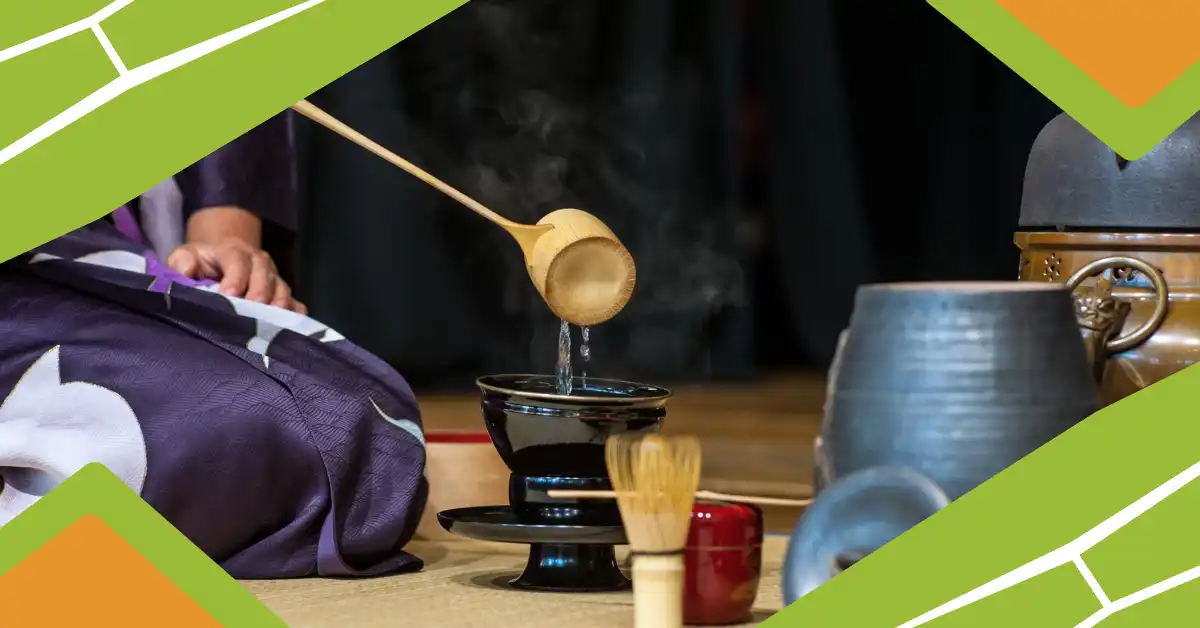
The Japanese Tea ceremony (Chanoyu) is one of Japan’s most refined cultural traditions, blending aesthetics, mindfulness, hospitality, and spiritual discipline into a single ritual experience. Rooted in centuries of history, it is far more than the simple act of drinking tea; it is a deeply symbolic practice that reflects harmony, respect, purity, and tranquility. Today, Chanoyu continues to influence Japanese art, philosophy, and social behavior while also attracting global appreciation for its meditative elegance.
The Historical Evolution of Chanoyu
The origins of tea drinking in Japan trace back to the 9th century, when Buddhist monks brought tea seeds and preparation methods from China. Initially, tea was consumed mainly in religious contexts, particularly within Zen monasteries, where it was valued for its ability to aid meditation by promoting alertness and calm focus.
By the 12th century, tea began spreading among Japan’s elite warrior class. However, it was during the Muromachi period (1336–1573) that tea culture began to take a more refined and aesthetic form. Tea gatherings became opportunities not only for drinking but also for displaying art, calligraphy, and social status.
The true transformation into Chanoyu, or the “Way of Tea,” occurred during the 16th century under the influence of tea masters such as Sen no Rikyū. He refined the practice into a spiritual discipline centered on simplicity and humility. Unlike earlier extravagant tea gatherings, Rikyū emphasized rustic aesthetics known as wabi-sabi, where beauty is found in imperfection and impermanence.
This philosophy reshaped Japanese cultural identity, making tea ceremonies a symbolic reflection of Zen ideals. Over time, Chanoyu became formalized, passed down through schools and traditions that still exist today.
Rituals and Structure of the Tea Ceremony
The structure of a tea ceremony is highly choreographed, yet it appears effortless and natural to the observer. Every movement has meaning, and every object is carefully chosen to harmonize with the season, setting, and guests.
A traditional ceremony begins with guests entering a tea room or tea house, often through a low entrance that requires them to bow, symbolizing humility. Before the tea is served, guests may admire the garden, wash their hands, and mentally prepare for a quiet, reflective experience.
Inside the tea room, the host carefully arranges utensils such as the tea bowl, whisk, scoop, and tea caddy. The preparation of matcha (powdered green tea) follows a precise sequence of movements. Hot water is poured into a bowl containing matcha, and the mixture is whisked into a frothy consistency.
Guests receive the tea in silence or with minimal conversation. Before drinking, they rotate the bowl slightly as a sign of respect, then consume the tea in small sips. After finishing, the bowl is carefully cleaned and admired for its craftsmanship.
Seasonality plays a crucial role in Chanoyu. Every element from the flower arrangement to the hanging scroll reflects the time of year, reinforcing the connection between humans and nature. This attention to detail transforms a simple beverage into a mindful ritual experience.
The philosophy behind these actions is not about perfection but presence. Each gesture encourages participants to slow down and appreciate the moment fully, which is why Chanoyu is often described as a form of moving meditation.
Cultural Meaning and Philosophical Depth
At its core, the Japanese tea ceremony represents a fusion of Zen Buddhism and Japanese aesthetics. The principles of wa (harmony), kei (respect), sei (purity), and jaku (tranquility) guide every aspect of the practice. These values extend beyond the tea room and influence broader Japanese social etiquette and interpersonal relationships.
The concept of wabi-sabi is central to understanding its deeper meaning. Instead of seeking perfection, Chanoyu embraces simplicity, asymmetry, and natural aging. A cracked tea bowl or weathered bamboo whisk is not seen as flawed but as beautifully authentic.
The tea ceremony also reflects the importance of hospitality, known as omotenashi. The host anticipates every detail of the guest’s comfort, from the temperature of the tea to the aesthetic arrangement of the room. This level of care creates a profound sense of connection between host and guest, even in silence.
In modern Japan, Chanoyu continues to be practiced in schools, cultural centers, and private gatherings. While some ceremonies remain highly traditional, others adapt to contemporary lifestyles while preserving their philosophical essence. It is also taught as a cultural art form, helping younger generations understand mindfulness and heritage.
Interestingly, many people today seek out Chanoyu not just for cultural learning but also for mental well-being. The slow, intentional rhythm of the ceremony offers a break from fast-paced modern life, making it increasingly relevant in a world dominated by digital distraction.
The Global Influence of Chanoyu
The influence of Japanese tea culture has extended far beyond Japan. Around the world, tea ceremonies are studied as examples of mindfulness practices and minimalist aesthetics. Artists, designers, and philosophers often draw inspiration from its principles of simplicity and intentional living.
Tea houses inspired by Chanoyu can now be found in many countries, where practitioners attempt to recreate the atmosphere of silence, respect, and seasonal awareness. However, the true essence of the tradition lies not just in the tools or setting, but in the mindset of mindfulness and presence.
Workshops and cultural exchanges have also made the practice more accessible globally, allowing people to experience its calming effects firsthand. Despite cultural differences, the universal appeal of slowing down and appreciating each moment has made Chanoyu resonate across cultures.
Conclusion: A Living Tradition of Mindful Elegance
The Japanese tea ceremony remains one of the most profound cultural expressions of Japan’s aesthetic and philosophical heritage. From its origins in Zen monastic practices to its refinement under master tea practitioners, it has evolved into a timeless ritual that continues to inspire mindfulness and harmony.
In essence, the Japanese Tea ceremony (Chanoyu) is not merely about tea, it is about presence, connection, and the appreciation of subtle beauty in everyday life. Even in the modern world, its quiet discipline offers a powerful reminder that simplicity can hold extraordinary depth, and that meaning often lies in the smallest of gestures.
By embracing its principles, one can better understand not only Japanese culture but also the universal human desire for peace, balance, and mindful living.
Also Read: Shinto and Buddhism in Japan: History, Beliefs, and Cultural Influence