Shinto and Buddhism in Japan: History, Beliefs, and Cultural Influence Explained
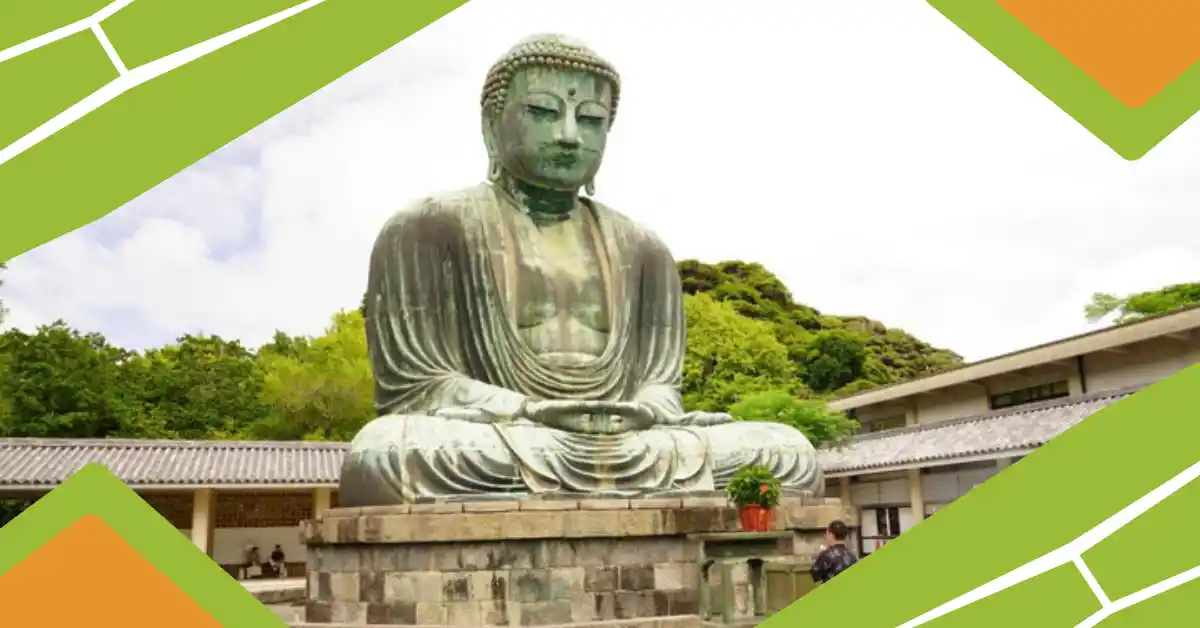
Shinto and Buddhism have shaped Japan’s spiritual identity for centuries, blending indigenous traditions with imported philosophy to create a unique cultural and religious landscape that still influences daily life today.
Japan’s religious history is not defined by strict separation between faiths but by harmony and adaptation. Instead of replacing one belief system with another, Japanese society gradually developed a blended spiritual worldview where native Shinto practices coexisted with Buddhist teachings. This fusion has influenced everything from architecture and festivals to moral values and national identity. Understanding this relationship is essential to appreciating Japan’s past and present culture.
Historical Origins: How Two Traditions Became One Cultural System
The story of Shinto and Buddhism in Japan begins with two very different origins. Shinto, meaning “the way of the gods,” is Japan’s indigenous belief system rooted in nature worship, ancestral reverence, and rituals honoring spirits known as kami. It does not have a single founder or sacred scripture but evolved organically through ancient Japanese society.
Buddhism, on the other hand, arrived in Japan from Korea and China around the 6th century. It brought with it a structured philosophy centered on the teachings of Siddhartha Gautama (the Buddha), focusing on enlightenment, suffering, and the cycle of rebirth. Initially, there was resistance from local clans who viewed it as a foreign influence, but over time, it gained acceptance among the ruling elite.
Instead of competing, the two belief systems gradually merged in practice through a process called shinbutsu shūgō (the syncretism of kami and Buddhas). Temples and shrines often existed side by side, and many deities were reinterpreted through both Shinto and Buddhist lenses. For centuries, people did not see a contradiction in honoring ancestors at a Shinto shrine while also praying to Buddhist figures for salvation.
This blending continued until the Meiji Restoration in the 19th century, when the government attempted to separate Shinto and Buddhism to strengthen national identity. However, cultural integration had already become too deeply rooted in society to be fully undone.
Beliefs and Practices: Harmony Between Nature, Spirits, and Enlightenment
At the heart of Japanese spirituality is a flexible worldview where religious practice is often situational rather than exclusive. The relationship between Shinto and Buddhism can be understood through how people interact with each tradition in everyday life.
Shinto emphasizes purity, harmony with nature, and respect for kami spirits believed to inhabit natural elements such as rivers, mountains, and trees. Rituals often involve cleansing, offerings, and prayers for good fortune. Shrines are typically visited for life events such as births, weddings, and New Year celebrations.
Buddhism, meanwhile, focuses on inner reflection, impermanence, and the path toward enlightenment. It plays a significant role in funerals, memorial services, and ancestor worship in Japan. Buddhist temples are spaces for meditation, learning, and honoring the dead.
Some key practices that illustrate this balance include:
- Visiting Shinto shrines for blessings related to health, success, or milestones in life
- Holding Buddhist ceremonies for funerals and remembrance of ancestors
- Participating in seasonal festivals that incorporate both Shinto rituals and Buddhist symbolism
- Keeping household altars that may include elements from both traditions
Rather than choosing one belief system over the other, many Japanese people participate in both depending on the occasion. This practical approach reflects a cultural emphasis on harmony rather than exclusivity. As a result, Shinto and Buddhism function less like competing religions and more like complementary spiritual frameworks.
This coexistence also extends to architecture and art. Many sacred sites feature combined elements, where Buddhist statues may be found within Shinto shrine grounds and vice versa. Even though official separation policies were introduced in modern times, cultural practice continues to reflect historical integration.
Cultural Influence: How Spiritual Traditions Shape Modern Japan
The influence of Shinto and Buddhism extends far beyond religious spaces and deeply shapes Japanese culture, social behavior, and national identity. Even in modern, highly urbanized Japan, these traditions remain visible in daily life and seasonal customs.
One of the most significant cultural impacts is the way festivals (matsuri) are celebrated. Many of these events originated from Shinto rituals meant to honor kami and ensure agricultural prosperity. Over time, Buddhist elements were incorporated, creating vibrant celebrations that include processions, music, dance, and offerings. These festivals continue to strengthen community bonds and preserve local identity.
Another important influence is the approach to life transitions. Births, coming-of-age ceremonies, marriages, and funerals often involve a mix of both traditions. For example, a child may be blessed at a Shinto shrine shortly after birth, while the same family may later conduct Buddhist rituals for deceased relatives. This dual approach reflects a worldview that embraces both life and death as part of a continuous cycle.
The aesthetic principles of Japan are also shaped by these spiritual traditions. Shinto’s reverence for nature is reflected in minimalist design, garden landscapes, and seasonal appreciation. Buddhism contributes ideas of simplicity, impermanence, and mindfulness, which can be seen in traditional tea ceremonies, Zen gardens, and calligraphy.
Even modern popular culture subtly carries these influences. Anime, literature, and film often draw on spiritual themes such as spirits, karma, and the balance between worlds. While younger generations may not actively practice religion in a formal sense, cultural familiarity with these concepts remains strong.
In addition, architecture across Japan reveals centuries of integration. Shrines and temples often exist in close proximity, and historical sites frequently show layered religious symbolism. This physical landscape serves as a living record of how deeply intertwined Shinto and Buddhism have become in shaping the country’s identity.
Conclusion: A Living Harmony of Tradition and Modernity
The relationship between Shinto and Buddhism in Japan is not simply a historical phenomenon but a continuing cultural reality. Rather than replacing one another, these two traditions have coexisted, adapted, and blended in ways that reflect Japan’s broader values of harmony, respect, and flexibility.
From ancient rituals to modern festivals, from sacred architecture to everyday customs, their influence is woven into the fabric of Japanese life. Even as society becomes more modern and secular, the spiritual legacy remains visible in how people celebrate, mourn, and connect with nature and community.
Ultimately, understanding Shinto and Buddhism provides a deeper insight into Japan itself not just as a nation of technological innovation and modern cities, but as a society where ancient beliefs continue to shape identity, meaning, and cultural expression.
Also Read: Sacred Sites of Kii Mountains: Japan’s Spiritual Peaks, Temples & Pilgrimage Paths