Tokyo & Osaka Subway Systems Guide: Routes, Maps, and Travel Tips for Japan’s Cities
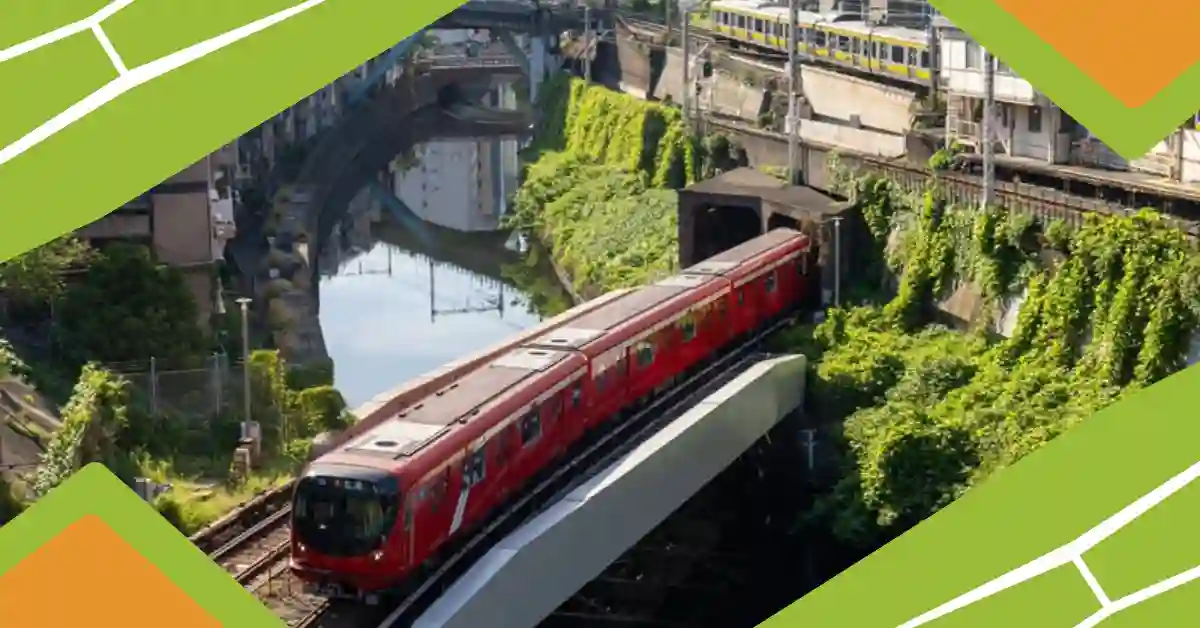
Tokyo & Osaka subway systems are among the most efficient, complex, and traveler-friendly urban transit networks in the world, forming the backbone of daily commuting and tourism in Japan’s busiest cities. For first-time visitors, navigating these underground railways can feel overwhelming, but with the right understanding of routes, maps, and travel strategies, moving around Tokyo and Osaka becomes surprisingly simple and highly convenient.
Both cities are global megacities with millions of daily commuters, yet their subway systems are designed with precision, punctuality, and accessibility in mind. Whether you’re heading to historic temples, neon-lit districts, or business hubs, mastering these networks will dramatically improve your travel experience in Japan.
Understanding the Structure of Tokyo and Osaka’s Subway Networks
The subway systems in Tokyo and Osaka are not just transportation networks they are carefully engineered ecosystems that connect nearly every corner of the cities. Tokyo’s system is significantly larger, operated mainly by Tokyo Metro and Toei Subway, while Osaka’s system is smaller but equally efficient, primarily managed by Osaka Metro.
Tokyo’s subway network is known for its dense interconnections, multiple transfer points, and integration with Japan Rail (JR) lines. It covers everything from central districts like Shinjuku and Shibuya to suburban areas. Osaka’s system, on the other hand, is more compact and easier to navigate, with key lines radiating from central hubs such as Umeda and Namba.
Despite their differences, both systems share a common philosophy: reliability, clarity in signage, and punctual trains that rarely deviate from schedule. For travelers, this means that once you understand the structure, moving around becomes intuitive rather than intimidating.
How Routes and Maps Help You Travel Efficiently
Reading subway maps in Japan is one of the most important skills for travelers. Both Tokyo and Osaka use color-coded lines, numbered stations, and bilingual signage in Japanese and English, making navigation accessible even for non-Japanese speakers.
One of the key features of these systems is the logical layout of routes. In Tokyo, lines often intersect at major transfer hubs such as Tokyo Station, Shinjuku, and Ikebukuro. These stations act as central nodes where multiple lines converge, allowing seamless transfers across the city. Osaka follows a similar model, with stations like Umeda and Namba serving as major interchange points.
Understanding how routes are structured helps you reduce travel time significantly. Instead of taking multiple transfers, you can often choose a direct line that avoids congestion. Mobile apps and station maps are widely available, but even physical maps inside stations are designed for quick comprehension.
A useful tip is to always identify your destination station first, then trace the line backward to your current location. This reverse mapping approach simplifies route planning and reduces confusion during peak hours.
Ticketing, IC Cards, and Payment Convenience
Traveling on these subway systems is made easier with IC cards such as Suica and Pasmo in Tokyo, and ICOCA in Osaka. These rechargeable smart cards eliminate the need to buy individual tickets for every ride. You simply tap in and out at station gates, and the fare is automatically deducted.
This system is especially helpful for tourists who may not be familiar with Japanese ticket machines. It also speeds up entry and exit during rush hours when stations are crowded.
For longer stays, these IC cards can also be used in convenience stores, vending machines, and even some restaurants, making them a practical tool beyond transportation.
Navigating Peak Hours and Crowds
One of the most defining characteristics of subway travel in Japan is the crowd level during peak commuting hours. Morning and evening rush hours in Tokyo, in particular, can be extremely busy, especially on major lines heading toward business districts.
To travel more comfortably, it is advisable to avoid peak hours when possible or plan extra time for transfers. Trains remain punctual even during congestion, but platforms and carriages can become very crowded.
Osaka’s system is generally less congested than Tokyo’s, but popular routes still experience heavy traffic during rush hours. Despite this, the overall efficiency of boarding and exiting trains remains impressive due to orderly passenger behavior and station staff coordination.
Key Differences Between Tokyo and Osaka Subway Experiences
While both cities offer world-class transit systems, the experience of using them differs slightly.
Tokyo’s subway is vast and interconnected, which offers incredible reach but requires more attention when planning routes. Osaka’s system is more straightforward, making it easier for first-time visitors to navigate without feeling overwhelmed.
Another difference lies in the atmosphere. Tokyo stations tend to be larger, busier, and more complex, reflecting the city’s scale. Osaka stations feel slightly more compact and relaxed, which many travelers find easier to manage.
In both cities, however, signage clarity and train frequency remain consistently excellent, ensuring that even unfamiliar travelers can move around with confidence.
Practical Travel Tips for First-Time Users
Understanding how to move efficiently through Japan’s subway systems can greatly enhance your trip. One important tip is to always check exit numbers before leaving a station, as large stations often have multiple exits leading to different neighborhoods or landmarks.
Another helpful strategy is to travel with offline maps or download transit apps before arriving in Japan. While station signage is clear, having a digital backup can save time when making quick decisions underground.
It is also important to respect local etiquette. Queuing in designated areas, keeping phone conversations minimal, and allowing passengers to exit before boarding are standard practices that ensure smooth operations.
Finally, try to familiarize yourself with major interchange stations. These hubs are key to navigating both Tokyo and Osaka efficiently, as they connect multiple lines and reduce the need for complicated transfers.
Exploring the City Beyond the Subway Lines
While the subway is the most efficient way to get around, it also serves as a gateway to exploring Japan’s culture, food, and entertainment districts. In Tokyo, subway lines connect you to areas like Shibuya for nightlife, Asakusa for traditional temples, and Akihabara for technology and anime culture. In Osaka, the network takes you to Dotonbori for street food, Osaka Castle for history, and Umeda for shopping and business.
The convenience of these systems allows travelers to experience multiple sides of each city in a single day without long travel delays. This accessibility is one of the reasons why Japan remains one of the most tourist-friendly destinations in the world.
Final Thoughts on Navigating Japan’s Subway Networks
Learning to use the subway in Japan may seem complex at first, but it quickly becomes second nature with a bit of practice. The combination of efficiency, cleanliness, and punctuality makes both Tokyo and Osaka ideal cities for public transport users.
Once you understand how routes connect and how to read maps effectively, you gain the freedom to explore both cities with ease. Whether you’re commuting for business or sightseeing as a traveler, the subway system is your most reliable companion.
In the end, the Tokyo & Osaka subway systems represent more than just transportation they reflect Japan’s commitment to precision, organization, and user-friendly urban design, making every journey smooth and predictable.
Also Read: Rush Hour in Tokyo: Everything You Need to Know About Crowded Trains