Rush Hour in Tokyo: Everything You Need to Know About Crowded Trains
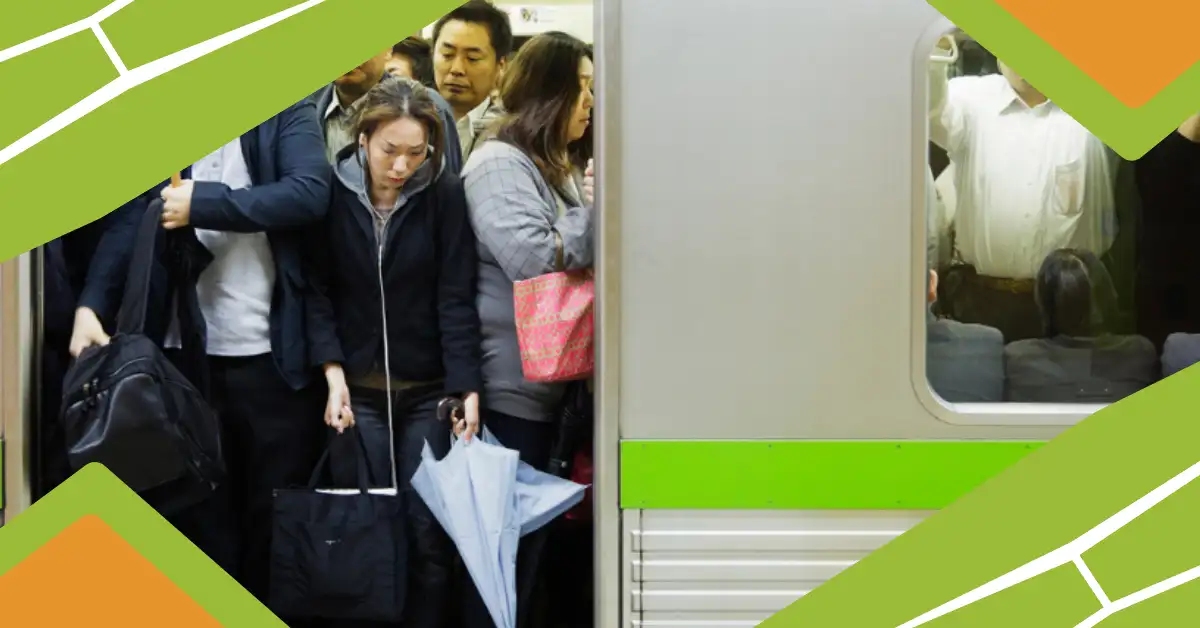
Experiencing the rush hour in Tokyo is like stepping into a different world. The city’s trains, which are already known for their punctuality and efficiency, transform into packed human rivers during peak commuting times. Whether you are a first-time visitor or a long-term resident, understanding the dynamics of Tokyo’s crowded trains can make your commute or your sightseeing experience far more manageable.
Understanding Tokyo’s Rush Hour
Tokyo is home to over 14 million residents, and the Greater Tokyo Area houses nearly 38 million people. Unsurprisingly, the city’s public transportation system faces enormous demand during peak hours. Rush hour in Tokyo typically occurs twice a day: between 7:30 AM and 9:30 AM for morning commuters, and from 5:00 PM to 7:00 PM for those returning home. During these times, trains can be filled to over 200% of their intended capacity.
What makes Tokyo unique is not just the number of passengers but the efficiency with which the city manages such dense crowds. Platform attendants, often called “pushers,” assist in boarding by gently ensuring passengers fit safely into the train cars. While this might sound intimidating, it’s a well-orchestrated process that highlights the city’s commitment to safety and punctuality.
The Psychology of Crowded Trains
The idea of being packed like sardines may seem stressful, but locals are accustomed to it. Japanese commuters maintain a quiet, disciplined environment despite the extreme crowding. People avoid loud conversations, music without headphones, and even phone calls. Understanding these social norms can help you adapt to the rush hour in Tokyo without feeling overwhelmed.
Interestingly, many Tokyoites treat the commute as a time for personal productivity. Reading books, checking emails, or even catching a short nap are common activities. For visitors, observing these behaviors can provide a fascinating glimpse into urban life in one of the world’s busiest cities.
Tips for Surviving Rush Hour
Even if you are familiar with crowded trains in other metropolises, Tokyo’s rush hour is on a different level. Here are some practical tips:
- Avoid Peak Hours if Possible: If your schedule is flexible, try commuting slightly earlier or later than the standard rush hour window. Trains are significantly less crowded outside the peak times.
- Use Less Busy Lines: While major lines like the Yamanote Line and Chuo Line are notorious for overcrowding, smaller or alternate routes can be a more comfortable choice. Mapping out alternative lines in advance can save both time and stress.
- Stay Organized on the Platform: Queues are strictly enforced at most stations. Follow the markings on the platform, which indicate where train doors will open. This system ensures smooth boarding and minimizes chaos.
- Pack Light and Smart: Carrying large bags or bulky items can make the ride uncomfortable for both you and other passengers. Compact luggage and backpacks are ideal for navigating packed trains.
Unique Experiences During Rush Hour
While rush hour in Tokyo can be challenging, it’s also an opportunity to witness the city’s unique urban culture. For instance, watching the precision and coordination of commuters boarding and exiting trains is mesmerizing. Platform announcements, often delivered in multiple languages, remind passengers to stand on the correct side and allow others to exit first.
For photography enthusiasts, capturing the flow of the crowd without violating privacy can be an interesting exercise in urban documentation. Some travelers even schedule visits during rush hour to experience Tokyo’s iconic human choreography firsthand, which is often described as both chaotic and strangely beautiful.
Safety and Etiquette
Despite the extreme crowding, Tokyo’s trains are remarkably safe. Crime rates on public transit are low, and the disciplined behavior of commuters helps maintain order. However, it’s important to respect local etiquette:
- Keep your voice low and avoid phone calls.
- Avoid eating or drinking on local trains.
- Offer your seat to elderly passengers, pregnant women, or people with disabilities.
Adhering to these simple rules not only keeps you safe but also shows respect for local customs, making your experience more pleasant.
Technological Solutions for Comfort
Tokyo’s public transportation system leverages technology to make the rush hour more manageable. Train companies provide real-time crowding data through mobile apps, allowing passengers to plan their trips more efficiently. Additionally, many stations have digital screens displaying train schedules, congestion levels, and even alternative routes to avoid extreme crowding. These innovations demonstrate how Tokyo blends tradition with modern solutions to tackle urban challenges.
Cultural Insights from Rush Hour
The phenomenon of rush hour in Tokyo also offers cultural insights. The disciplined behavior, punctuality, and silent cooperation among commuters reflect broader Japanese social values, including respect for others and collective responsibility. Experiencing this firsthand can deepen your understanding of Japanese urban culture, highlighting how societal norms shape everyday life in one of the world’s busiest cities.
Conclusion
Rush hour in Tokyo is more than just a commuting challenge; it is an essential aspect of the city’s rhythm. While the crowded trains may initially seem intimidating, understanding the timing, etiquette, and strategies for navigating them can transform the experience into a fascinating glimpse of urban life. From disciplined boarding practices to innovative technology, Tokyo’s approach to handling extreme commuter traffic offers lessons in efficiency, order, and cultural sophistication.
Whether you are visiting Tokyo for business or leisure, preparing for rush hour in advance ensures that you can experience the city with confidence. By respecting local customs, planning your route wisely, and embracing the unique energy of Tokyo’s trains, you can turn one of the world’s most crowded commuting periods into an unforgettable cultural experience.
Also Read: Japan’s Fiscal Year: Key Dates, Practices, and Financial Planning Guide