BOAT RACE Tamagawa: Entry List, Odds, Schedule & How to Bet
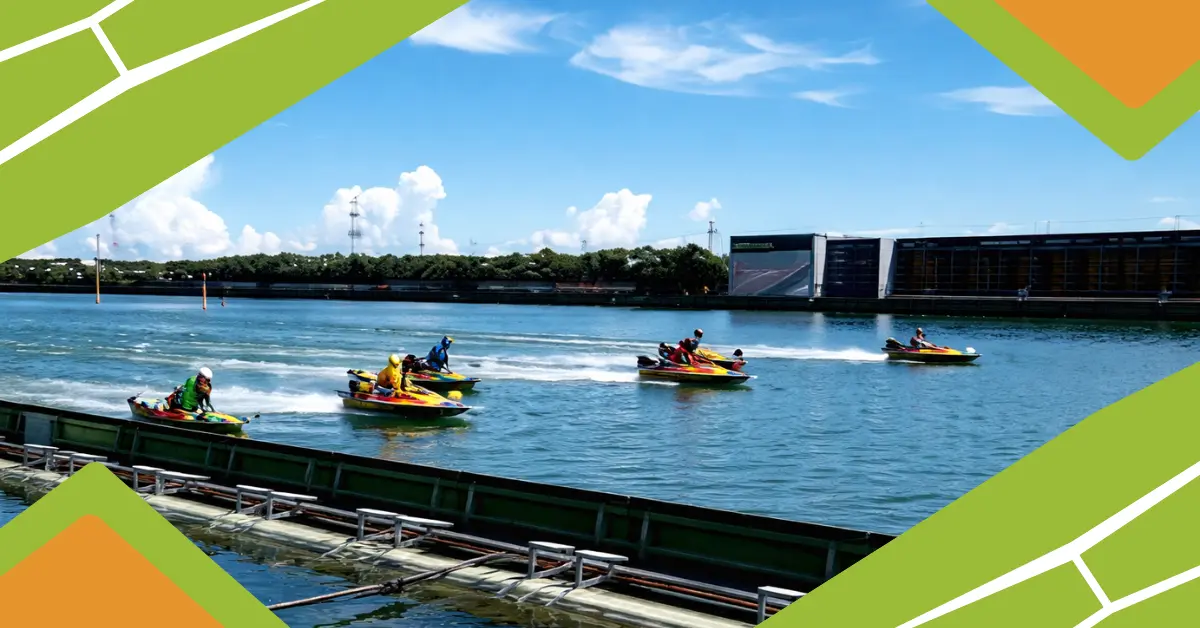
Tamagawa Boat Race, officially known as BOAT RACE Tamagawa or 多摩川競艇 (Tamagawa Kyotei), stands as one of Tokyo’s premier venues for Japan’s exciting public gambling sport of powerboat racing. Located in Fuchu City along the Tama River, it attracts locals, tourists, and serious bettors with its calm waters, strategic racing, and accessible facilities. As one of three major boat race stadiums in Tokyo (alongside Edogawa and Heiwajima), Tamagawa offers a unique blend of high-speed action, family-friendly entertainment, and betting opportunities in a government-regulated environment.
This comprehensive guide covers everything from the track’s characteristics to entry lists, odds, off-track betting, scoring rates, tickets, and more—ideal for beginners and seasoned fans alike.
History and Overview of Boat Race in Japan
Boat racing, or Kyotei, began in Japan in 1952 at Omura Bay. It is one of only a few legally sanctioned forms of public betting alongside horse racing, bicycle racing, and motorcycle racing. The sport operates under strict regulations to ensure fairness and integrity.
Twenty-four stadiums across Japan host races nearly every day. Tamagawa, designated as venue number 5 in the official system, has built a reputation for consistent, high-quality racing. Events range from general races to prestigious graded competitions like GIII, GI, and occasional SG (Special Grade) features. Races typically run 12 times per day, starting around 10:00 AM, with day and occasional night schedules.
Tamagawa Boat Race Track: Japan’s Calmest Waters
The Tamagawa track is renowned as “Japan’s No. 1 calm water surface” (日本一の静水面). Situated on a man-made lake fed by the Tama River, it experiences minimal tidal influence and reduced wind impact compared to coastal or river venues. This creates predictable, smooth conditions that favor technical skill over battling elements.
Key Track Specifications:
- Course: 600-meter oval lap; racers complete three laps (1,800 meters total).
- Water Type: Freshwater, low wave action.
- Characteristics: Racers often go full throttle due to stable conditions. Inside escapes (nige) from lane 1 are common but outside passes (makuri) and battles can lead to high-payout upsets. The calm surface makes starts and first-turn positioning critical.
The track’s design rewards precise engine tuning, sharp cornering, and strategic lane usage. Boats reach speeds around 80 km/h, with the flying start system adding drama-racers must cross the start line within a precise 1-second window after warming up.
Aerial views highlight the compact, spectator-friendly layout with excellent sightlines from the stands.
How a Tamagawa Boat Race Works
Six boats, color-coded and numbered 1–6 (white, black, red, blue, yellow, green), compete. Boats and engines (standardized 396.9cc twin-cylinder by Yamato Motor) are assigned randomly, but racers tune them. Races emphasize strategy: strong starts, first-turn dominance, and maintaining the inside line.
Common tactics include the in-nige (inside escape) and daring makuri (outside sweep). Crashes or interference result in disqualifications.
Tamagawa Boat Race Entry List and Racer Profiles
Entry lists (出走表) are released days in advance on the official site and apps. They include racer names, registration numbers, ranks (A1 top tier, down to B2), recent performance, boat/engine numbers, and exhibition lap times.
Top A1 racers frequently appear at Tamagawa for graded events. Female racers shine in All-Ladies (Ladies) races like the Ripple Cup. Racers maintain their own engines, adding a layer of mechanical expertise.
For current events, check the official Tamagawa site for PDFs of entry lists and race forecasts.
Tamagawa Boat Race Odds and Betting Strategy
Odds are pari-mutuel (pool-based), fluctuating until betting closes. They display on stadium monitors, Jumbo screens, and online.
Seven Main Bet Types (minimum 100 yen):
- Win (単勝): Pick first place (odds ~1/6 probability baseline).
- Place/Show (複勝): First or second.
- Exacta (2連単): Exact 1st and 2nd in order.
- Quinella (2連複): First two in any order.
- Trifecta (3連単): Exact top three in order (most popular, high payouts).
- Trio (3連複): Top three any order.
- Others like expanded bets.
At Tamagawa’s calm track, favorites (especially lane 1) win often, but upsets from strong outside racers create big dividends. Savvy bettors analyze racer stats, motor performance, and weather (though minimal here).
Tamagawa Boat Race Off-Track Betting
You don’t need to visit the stadium. Off-track (場外発売) sales occur at other venues or Boatopia centers. Tamagawa races broadcast on JLC (Japan Leisure Channel) and online platforms. Many bet via telephone or approved apps/sites during live events.
This accessibility boosts popularity, allowing nationwide participation.
Tamagawa Boat Race Scoring Rate and Statistics
Scoring rate refers to winning percentages, often by lane, racer, or motor. Lane 1 typically dominates (~40% wins nationally, similar at Tamagawa due to calm conditions). Track-specific data shows strong performance for inside lanes but opportunities for skilled makuri artists.
Racers have individual scoring rates published in programs. Historical data helps predict outcomes—veterans with high win rates at Tamagawa excel here. Apps and sites provide detailed analytics including exhibition times and past results.
Tamagawa Boat Race Tickets: Admission and Betting
- Admission: Usually 100 yen for general entry (free on some promo days). Stay all day.
- Reserved Seats: ¥1,000–¥2,000+ for better views or VIP areas.
- Betting Tickets: Purchased via machines using OMR cards. Cash only at venue; refunds for invalid bets.
Family zones, food stalls (cheap local eats and drinks), and events make it welcoming. Guided tours or simulator experiences occasionally available.
Access and Facilities
Location: 4-11 Koremasa, Fuchu City, Tokyo 183-0014.
Getting There:
- Seibu Tamagawa Line to Kyoteijoumae Station (right in front).
- Free shuttle buses from nearby stations like Tamareien or Fuchu-Hommachi on race days.
- From Tokyo Station: JR Chuo Line to Musashisakai, then Seibu Tamagawa.
Facilities include grandstands, restaurants, shops selling official merchandise (e.g., original seal sets), and excellent restrooms. The venue has appeared in anime and music videos due to its scenic riverside setting.
Upcoming Events and Schedule
Tamagawa hosts year-round events, including the GIII All Ladies Ripple Cup, Birthday Cup, and major cups like the Nikkan Gendai Cup. Check the monthly schedule on boatrace.jp or the official site for exact dates. Live YouTube streams with commentary are popular.
Tips for First-Time Visitors and Bettors
- Arrive early for good seats and to study exhibition runs.
- Start with simple bets like Quinella before trying Trifecta.
- Use official apps for real-time odds and racer data.
- Enjoy responsibly-betting is entertainment.
- Combine with nearby attractions in Fuchu or Tama area for a full day out.
Tamagawa Boat Race perfectly embodies Japan’s unique Kyotei culture: precision engineering, athletic skill, strategy, and accessible excitement. Whether you seek adrenaline, a casual outing, or betting thrills on its famously calm waters, this Tokyo venue delivers consistently.
Plan your visit, study the entries, and experience the roar of the boats firsthand. For the latest entry lists, odds, and live info, visit the official Tamagawa Boat Race website.
Also Read: Top 5 Wagyu Beef in Japan: Types, Grades & Best Cuts of A5 Kobe, Matsusaka & More Guide