Top 5 Wagyu Beef in Japan: Types, Grades & Best Cuts of A5 Kobe, Matsusaka & More Guide
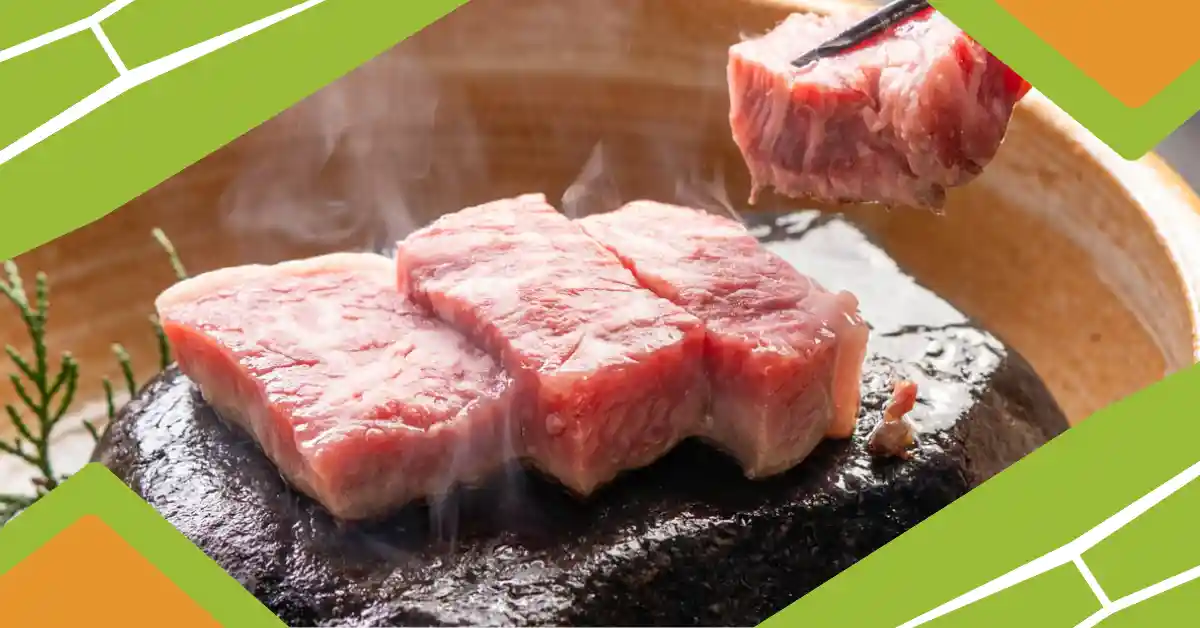
Wagyu beef is one of the most luxurious and sought-after meats in the world, celebrated for its intense marbling, buttery texture, and rich umami flavor that melts in your mouth. Japan is the birthplace of this premium beef, offering several regional varieties, each with distinct genetics, feeding methods, and grading standards. This guide explores the top 5 Wagyu beef types in Japan, their A5 grading system, best cuts, and how to choose authentic premium Japanese beef like a connoisseur.
What Makes Japanese Wagyu Unique?
Japanese Wagyu is defined by its genetically predisposed ability to develop high levels of intramuscular fat, also known as marbling. Unlike conventional beef, Wagyu cattle are raised under strict conditions, often including controlled diets, stress-free environments, and extended feeding periods that can last up to 30 months or more.
The grading system is another defining factor. Japan’s Meat Grading Association (JMGA) evaluates beef based on yield (A, B, C) and meat quality (1–5). The highest grade, A5, represents exceptional marbling, color, texture, and fat quality.
Key grading components include:
- Marbling score (BMS): The higher the score, the richer the fat distribution.
- Meat color and brightness
- Firmness and texture
- Fat quality and color
Top 5 Wagyu Beef Types in Japan
1. Kobe Beef (Hyogo Prefecture)
Kobe beef is arguably the most famous Wagyu brand worldwide. It comes from Tajima-gyu cattle raised in Hyogo Prefecture and must meet strict certification standards to be labeled “Kobe Beef.”
What makes Kobe beef special is its ultra-fine marbling and delicate flavor profile. The fat melts at a low temperature, creating a silky mouthfeel. It is often served as teppanyaki, steak, or shabu-shabu in high-end restaurants.
Only a small percentage of Wagyu cattle qualify as authentic Kobe beef, making it both rare and highly prestigious.
2. Matsusaka Beef (Mie Prefecture)
Matsusaka beef is often considered the “queen of Wagyu.” It comes from virgin female cattle, which are raised for longer periods to develop extraordinary fat marbling.
Matsusaka beef is known for its deep, sweet flavor and extremely tender texture. The fat is distributed so finely that it almost disappears when cooked, leaving behind an intense umami richness.
This beef is especially prized in Japan for sukiyaki and shabu-shabu dishes, where the delicate fat enhances the broth.
3. Omi Beef (Shiga Prefecture)
Omi beef is one of Japan’s oldest Wagyu brands, with a history dating back over 400 years. It is raised near Lake Biwa in Shiga Prefecture, where the clean water and mild climate contribute to its refined flavor.
Omi beef is known for its slightly lighter marbling compared to Kobe or Matsusaka, but it offers a more balanced taste that appeals to those who prefer subtle richness over extreme fat content.
It is often enjoyed grilled or as thin slices in hot pot dishes.
4. Hida Beef (Gifu Prefecture)
Hida beef comes from black-haired Wagyu cattle raised in the mountainous regions of Gifu Prefecture. The colder climate contributes to the development of fine marbling and a rich, beefy aroma.
It has a slightly firmer texture compared to other premium Wagyu types, making it ideal for steak cuts and yakiniku grilling. Hida beef is also known for its consistent quality across producers.
5. Miyazaki Beef (Miyazaki Prefecture)
Miyazaki beef has gained international recognition after winning multiple national Wagyu competitions in Japan. It is highly regulated and graded strictly, often achieving A4 and A5 levels.
This beef is known for its balance of marbling and lean meat, offering a rich flavor without being overly fatty. It is versatile and used in everything from steak to sushi-style preparations.
Understanding A5 Wagyu Grading in Detail
The A5 grade represents the highest classification in Japanese beef standards. While many assume all premium Wagyu is A5, only a fraction actually reaches this level.
The grading system works as follows:
- Yield Grade (A–C): A is the highest yield of usable meat.
- Quality Grade (1–5): 5 is the highest level of meat quality.
An A5 rating means the beef has:
- Exceptional marbling (BMS 8–12)
- Superior texture and brightness
- High fat quality with a low melting point
At this level, beef is not just food, it becomes an experience.
Best Cuts of Wagyu Beef You Should Try
Different cuts of Wagyu offer unique textures and flavors:
Ribeye (Rib Roast)
The most popular cut for Wagyu lovers, ribeye is heavily marbled and extremely juicy. It is ideal for grilling or pan-searing.
Sirloin
Slightly leaner than ribeye, sirloin offers a perfect balance of tenderness and beef flavor.
Tenderloin (Filet Mignon)
This is the most tender cut, with minimal fat and a delicate texture. It is often served in fine dining restaurants.
Chuck Roll
A flavorful cut with moderate marbling, ideal for yakiniku and hot pot dishes.
Brisket
While less common in high-end Wagyu dining, brisket is rich in collagen and becomes incredibly soft when slow-cooked.
How to Identify Authentic Wagyu Beef
Due to global popularity, imitation “Wagyu-style” beef exists in many markets. To ensure authenticity, look for:
- Official Japanese certification labels
- Traceability codes linked to cattle farms
- JMGA grading documentation
- Brand-specific seals (Kobe, Matsusaka, etc.)
Authentic Wagyu will always have a visible marbling pattern and a softer fat texture compared to conventional beef.
Cooking Methods for Premium Wagyu
Cooking Wagyu requires precision. Overcooking can destroy its delicate fat structure.
Best methods include:
- Teppanyaki: Light grilling on a hot iron plate
- Shabu-shabu: Thin slices swirled in hot broth
- Sukiyaki: Cooked in sweet soy-based sauce
- Light pan-searing: Minimal seasoning to preserve natural flavor
Wagyu should typically be served medium-rare to fully appreciate its texture and aroma.
Where to Eat the Best Wagyu in Japan
Japan offers countless premium dining experiences for Wagyu lovers. Cities like Tokyo, Osaka, and Kobe are home to Michelin-starred restaurants specializing in Wagyu tasting menus. Traditional ryotei (Japanese restaurants) and specialized yakiniku shops also offer regional varieties prepared in authentic styles.
For travelers, visiting the origin regions Hyogo for Kobe beef, Mie for Matsusaka, and Gifu for Hida provides the most authentic culinary experience.
Final Thoughts
Japan’s Wagyu culture represents centuries of craftsmanship, tradition, and dedication to quality. From Kobe’s strict certification standards to Matsusaka’s luxurious marbling and Miyazaki’s award-winning consistency, each type offers a unique expression of flavor and texture.
Wagyu beef continues to define luxury dining worldwide, and understanding its types, grades, and cuts helps you appreciate why it stands at the top of global culinary excellence. Whether you are a first-time taster or a seasoned gourmet, exploring Japan’s top Wagyu varieties is an unforgettable gastronomic journey.
Also Read: What Is Gyudon? A Complete Guide to Japan’s Popular Beef Bowl Dish