Matsuri Festivals in Japan: History, Meaning, and Seasonal Cultural Celebrations
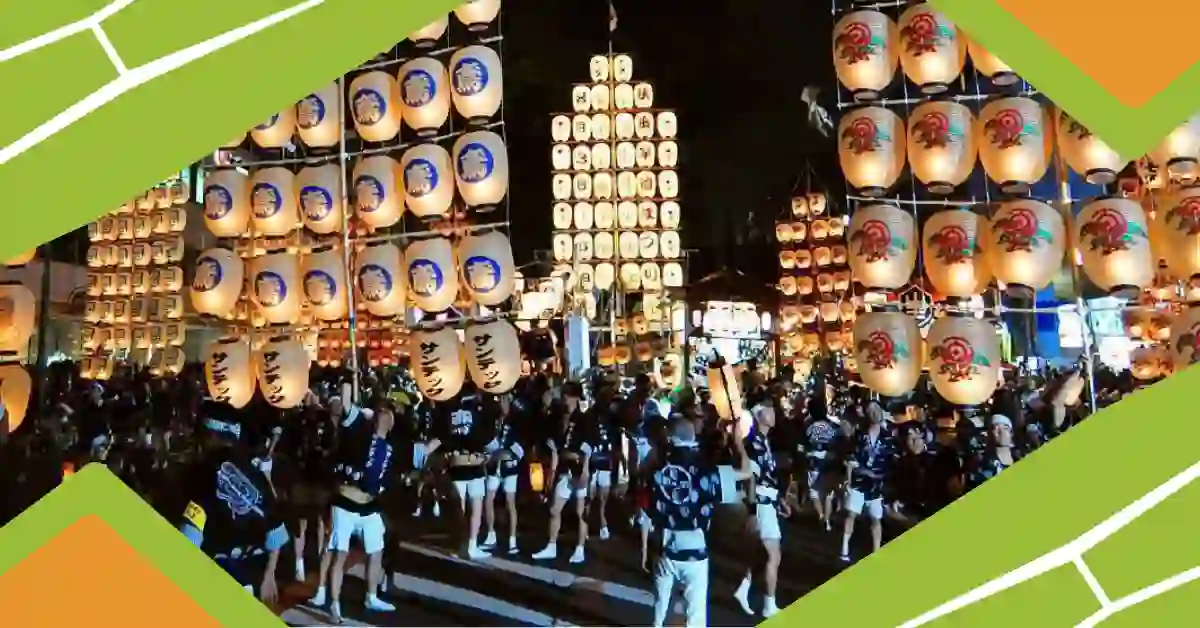
Japan’s Matsuri festivals are among the most vibrant cultural celebrations in the world, deeply rooted in centuries of tradition, spirituality, and community identity. These festivals are not just colorful public events; they are living expressions of Japan’s history, seasonal rhythms, and local beliefs that continue to thrive in modern society.
From ancient Shinto rituals to contemporary street parades filled with music, food, and lanterns, Matsuri festivals offer a unique window into how Japanese culture honors nature, ancestors, and communal harmony. Understanding these festivals means exploring more than entertainment; it means uncovering the cultural heartbeat of Japan itself.
The Origins and Historical Meaning of Matsuri Festivals
The history of Matsuri festivals dates back over a thousand years, deeply connected to Shinto, Japan’s indigenous spiritual tradition. In ancient times, festivals were held to honor kami (spirits or deities) believed to inhabit natural elements such as mountains, rivers, trees, and rice fields. Communities gathered to pray for good harvests, protection from disasters, and overall prosperity.
Over time, these rituals evolved into structured public celebrations. During the Heian period (794–1185), court ceremonies influenced the refinement of festival practices, blending religious rites with artistic performances. By the Edo period (1603–1868), Matsuri festivals had become central to urban and rural life, featuring portable shrines (mikoshi), floats, and large communal gatherings.
Today, Matsuri festivals still preserve these spiritual roots, even as they incorporate modern entertainment. The symbolic carrying of mikoshi, for example, represents the movement of a deity through the community, blessing people and spaces along the way. Despite modernization, the essence remains the same: gratitude, purification, and connection.
Interestingly, many local Matsuri festivals are tied to specific shrines and regional legends. This localization makes each festival unique, reflecting the identity and history of its community rather than a uniform national tradition.
Seasonal Celebrations and Regional Expressions
One of the most fascinating aspects of Matsuri festivals is how closely they align with Japan’s four distinct seasons. Each season brings its own mood, symbolism, and cultural activities, shaping the way festivals are celebrated across the country.
Spring Festivals: Renewal and Harvest Prayer
Spring Matsuri festivals often celebrate renewal, agriculture, and the blooming of nature. As cherry blossoms bloom across Japan, communities gather for celebrations that express gratitude for new beginnings and pray for a successful planting season. These festivals are filled with soft music, traditional dances, and shrine processions that reflect optimism and renewal.
Summer Festivals: Energy, Light, and Community Spirit
Summer is the peak season for Matsuri festivals, known for their vibrant energy and nighttime celebrations. Fireworks displays (hanabi), lantern-lit streets, and lively dances such as Bon Odori define this season. People wear colorful yukata and gather in large crowds to enjoy food stalls, games, and performances. The atmosphere is energetic and deeply communal, symbolizing unity and joy in the heat of summer.
Autumn Festivals: Gratitude and Harvest Celebration
Autumn Matsuri festivals focus on gratitude for the harvest. Rice, being central to Japanese culture, plays a symbolic role in these celebrations. Portable shrines are carried through towns in elaborate processions, while traditional music and dance performances honor agricultural success. These festivals often feel more grounded and reflective, emphasizing appreciation for nature’s bounty.
Winter Festivals: Purification and New Beginnings
Winter festivals are less frequent but deeply symbolic. They often involve rituals of purification, protection against illness, and preparation for the new year. Fire rituals, shrine visits, and ceremonial foods are common. These Matsuri festivals provide a spiritual transition from the old year to the new, reinforcing themes of renewal and resilience.
Across all seasons, Matsuri festivals maintain a strong connection to nature’s cycles. This seasonal alignment ensures that festivals are not just cultural events but also reflections of Japan’s ecological awareness and agricultural heritage.
Cultural Significance and Modern-Day Experience
In modern Japan, Matsuri festivals continue to play a crucial role in preserving cultural identity while adapting to contemporary life. Urbanization and globalization have changed many aspects of society, yet these festivals remain powerful anchors of tradition.
One of the most important roles of Matsuri festivals is community bonding. Local residents, regardless of age, participate in organizing, performing, and celebrating together. This collective participation strengthens neighborhood ties and fosters a sense of belonging that is increasingly rare in modern urban environments.
Another key aspect is cultural preservation. Traditional music, dances, costumes, and rituals are passed down through generations during these festivals. Young participants learn ancient customs not through textbooks but through active involvement, ensuring continuity of cultural heritage.
Tourism has also become a major influence. International visitors are increasingly drawn to Matsuri festivals for their authenticity and visual spectacle. While this has boosted local economies, it has also encouraged communities to preserve and showcase their traditions more consciously.
Despite modernization, Matsuri festivals still retain their spiritual essence. Even in large cities like Tokyo and Osaka, shrine-based festivals continue to attract thousands of participants who seek blessings, protection, and spiritual connection. The blend of sacred ritual and festive celebration creates a unique cultural experience that is both meaningful and entertaining.
Moreover, the adaptability of Matsuri festivals has helped them survive in the modern era. Many festivals now incorporate contemporary elements such as music stages, food trucks, and digital promotions, making them accessible to younger generations while maintaining traditional roots.
The Symbolism and Emotional Power Behind Matsuri Festivals
Beyond their visual beauty and entertainment value, Matsuri festivals carry deep symbolic meaning. They represent harmony between humans and nature, gratitude for life’s blessings, and the importance of community cooperation.
Fire, water, music, and movement are recurring symbols across many festivals. Fire often represents purification, water symbolizes renewal, and rhythmic drumming signifies communication with the spiritual world. These elements combine to create emotionally powerful experiences that resonate with participants on both cultural and personal levels.
For many Japanese people, attending Matsuri festivals is not just an event but an emotional return to heritage. It is a reminder of childhood memories, family traditions, and seasonal cycles that structure life in meaningful ways. This emotional depth is one reason these festivals remain so enduring.
Conclusion: The Living Tradition of Matsuri Festivals
In conclusion, Matsuri festivals are far more than cultural events; they are living traditions that embody Japan’s history, spirituality, and seasonal rhythm. From ancient Shinto rituals to modern urban celebrations, they continue to evolve while preserving their core meaning of gratitude, unity, and renewal.
Whether experienced in a small rural village or a bustling city street, Matsuri festivals offer a powerful connection to Japanese identity and nature’s cycles. Their enduring popularity reflects not only cultural pride but also a universal human desire for celebration, belonging, and meaning.
As Japan continues to modernize, these festivals remain a vital bridge between the past and the present, ensuring that tradition continues to thrive in a rapidly changing world.
Also Read: Best Kyoto Festivals: Seasonal Events, Lights & Cultural Celebrations