Best Kyoto Festivals You’ll Want to Experience: Seasonal Events, Lights, and Cultural Celebrations
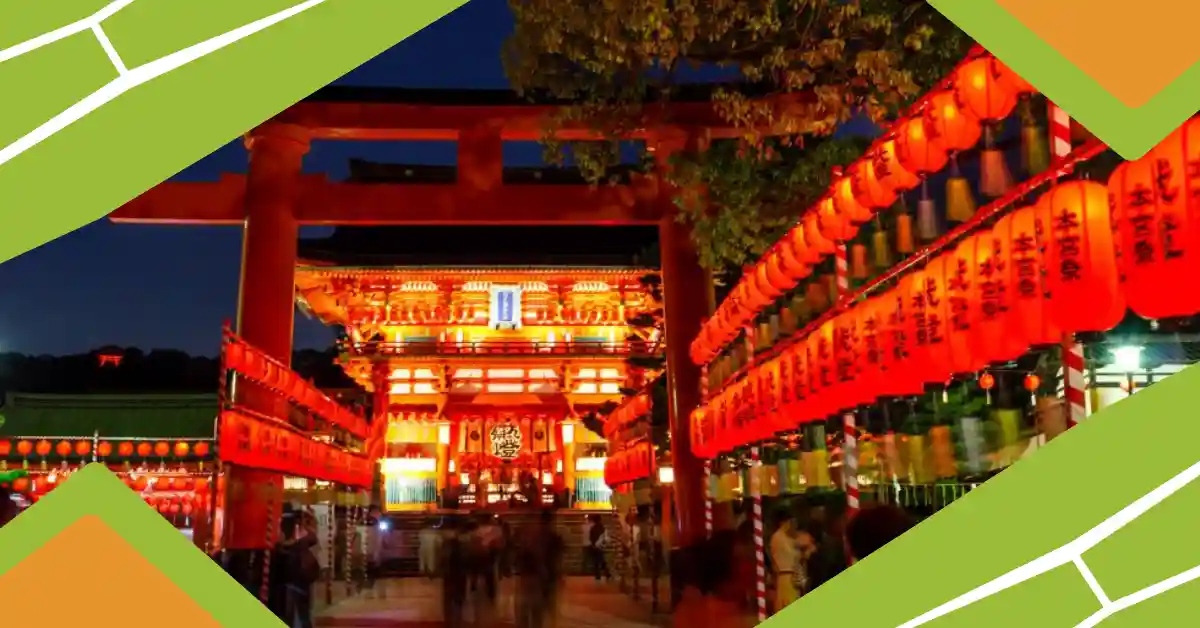
Kyoto festivals are among Japan’s most captivating cultural experiences, drawing visitors year-round to witness centuries-old traditions, illuminated nights, and vibrant seasonal celebrations in the ancient capital.
If you are planning a trip to Japan, few experiences rival the atmosphere, history, and visual spectacle found in Kyoto festivals. From glowing lantern streets to powerful fire rituals and elaborate historical parades, Kyoto offers a festival calendar that reflects its deep cultural heritage. This guide explores the best festivals in Kyoto, when to visit, and what makes each celebration unforgettable.
Why Kyoto Is Japan’s Festival Capital
Kyoto, once the imperial capital of Japan, is a city where tradition is not just preserved it is lived. Shrines, temples, and historic neighborhoods form the backdrop for ceremonies that have been passed down for over a thousand years.
The city’s festivals are deeply connected to seasonal changes, Shinto beliefs, and Buddhist traditions. Each event is designed not only for celebration but also for purification, prayer, and community bonding.
Unlike modern entertainment events, Kyoto’s festivals immerse visitors in living history. Streets transform into processional routes, sacred rituals unfold in public view, and locals participate with pride and devotion.
Gion Matsuri: Kyoto’s Most Famous Festival
One of the most iconic Kyoto festivals is the legendary Gion Matsuri, held every July. Dating back over 1,000 years, it is considered one of Japan’s greatest cultural treasures.
The festival originated as a purification ritual to appease deities during a plague outbreak. Today, it spans the entire month, featuring elaborate floats called yamaboko that parade through Kyoto’s streets.
Highlights of Gion Matsuri
- Massive decorated floats pulled by teams of locals
- Traditional music and flute performances
- Nighttime street festivals (Yoi-yama) with food stalls and lanterns
- Historic kimono-clad participants
Visitors often describe Gion Matsuri as a living museum, where every detail from costume to choreography reflects deep cultural meaning.
Aoi Matsuri: Elegant Heian-Period Procession
Held every May, the Aoi Matsuri is one of Kyoto’s oldest festivals, dating back to the 6th century. It is known for its refined and elegant atmosphere, recreating the aristocratic court culture of the Heian period.
Unlike the energetic energy of summer festivals, Aoi Matsuri is calm, graceful, and highly ceremonial. Participants wear authentic historical costumes, and ox-drawn carts move slowly through the city.
What Makes Aoi Matsuri Special
- Over 500 participants in traditional attire
- Procession from the Imperial Palace to Kamo Shrines
- Beautiful hollyhock decorations symbolizing purification
- Photogenic scenes resembling ancient scroll paintings
This festival is ideal for travelers interested in history, photography, and traditional Japanese aesthetics.
Jidai Matsuri: A Journey Through Time
Every October, Kyoto hosts the spectacular Jidai Matsuri, also known as the “Festival of the Ages.” It celebrates the city’s long imperial history with a massive historical parade.
Participants dress in costumes representing different eras of Japanese history from samurai warriors to Meiji Restoration officials and Heian nobility.
Key Features of Jidai Matsuri
- More than 2,000 participants in historical costumes
- Parade stretching from Kyoto Imperial Palace to Heian Shrine
- Accurate recreations of weapons, clothing, and armor
- Educational insight into Japan’s evolving culture
For visitors, Jidai Matsuri feels like stepping into a living history book, offering a rare opportunity to witness centuries of transformation in one event.
Seasonal Kyoto Festivals and Cultural Rhythm
The charm of Kyoto festivals lies in their strong connection to the seasons. Each time of year brings a unique set of celebrations that reflect nature’s cycles and spiritual beliefs.
Spring Festivals
Spring in Kyoto is marked by cherry blossoms and renewal. Many shrine events focus on gratitude for new beginnings and agricultural blessings.
Summer Festivals
Summer is the peak festival season, filled with fireworks, lanterns, and night markets. This is when Kyoto becomes most lively and visually stunning.
Autumn Festivals
Autumn brings harvest celebrations and historical reenactments. Cooler weather makes it ideal for outdoor processions.
Winter Festivals
Winter events focus on purification rituals and illumination displays, offering a quieter but deeply spiritual experience.
These seasonal rhythms make Kyoto festivals not just events but an integral part of the city’s identity.
Kurama Fire Festival: A Fiery Night Experience
One of the most dramatic events in Kyoto is the Kurama Fire Festival held every October in the mountain village of Kurama.
Participants carry massive torches through the streets in a powerful display of energy and devotion. The festival is believed to date back over 1,000 years and is dedicated to protection and spiritual cleansing.
Why It Stands Out
- Giant flaming torches carried by locals of all ages
- Intense nighttime atmosphere in a mountain setting
- Spiritual significance tied to protection deities
- Unique contrast to Kyoto’s more elegant festivals
This festival offers a completely different side of Kyoto: raw, energetic, and deeply symbolic.
Hanatoro: Kyoto’s Magical Lantern Illumination
Another enchanting seasonal event is Hanatoro, held in both Higashiyama (March) and Arashiyama (December). During this time, temples, bamboo groves, and streets are illuminated with thousands of lanterns.
Visitors can walk through softly glowing paths while enjoying traditional performances and night-time temple visits.
Highlights of Hanatoro
- Beautiful illuminated bamboo forest in Arashiyama
- Candle-lit temple pathways in Higashiyama
- Art installations and cultural performances
- Romantic nighttime atmosphere
This event transforms Kyoto into a dreamlike landscape, perfect for photography and peaceful exploration.
Cultural Significance of Kyoto Festivals
Beyond their visual beauty, Kyoto festivals carry deep cultural and spiritual meaning. They are rooted in Shinto and Buddhist beliefs, often serving purposes such as:
- Purifying communities from misfortune
- Praying for good harvests and health
- Honoring ancestral spirits
- Preserving traditional craftsmanship
These traditions ensure that modern generations remain connected to their heritage.
Travel Tips for Experiencing Kyoto Festivals
To make the most of your visit, consider the following tips:
Plan Early
Accommodation in Kyoto fills up quickly during major festivals. Booking months in advance is highly recommended.
Arrive Early for Parades
Popular viewing spots along parade routes get crowded fast.
Use Public Transport
Road closures are common during festivals, so trains and buses are the best way to travel.
Respect Local Customs
Many events include sacred rituals, so maintaining respectful behavior is important.
Why Kyoto Festivals Are Worth Experiencing
Few destinations in the world offer such a rich combination of history, spirituality, and visual beauty. Kyoto festivals are not just entertainment they are immersive cultural experiences that connect visitors with centuries of tradition.
From the grandeur of Gion Matsuri to the elegance of Aoi Matsuri, the historical depth of Jidai Matsuri, and the fiery intensity of Kurama Fire Festival, each event reveals a different side of Kyoto’s identity.
Even beyond the major events, smaller seasonal celebrations and illuminated walks ensure there is always something happening in the city.
For travelers seeking authentic cultural immersion, Kyoto festivals provide an unforgettable journey through time, tradition, and seasonal beauty.
Final Thoughts
Kyoto remains one of the world’s most culturally rich destinations, and its festivals are at the heart of that identity. Whether you visit in spring, summer, autumn, or winter, you will find celebrations that reflect the city’s enduring spirit.
If you are planning a trip to Japan, experiencing at least one of these events will transform your understanding of Japanese culture. The magic of Kyoto festivals lies in their ability to bring history to life in the most vivid and emotional way possible.
Also Read: Kyoto Travel Guide: Explore Japan’s Historic Capital & Top Attractions