Kimono and Traditional Japanese Clothing: Origins, Designs, and Cultural Heritage Guide
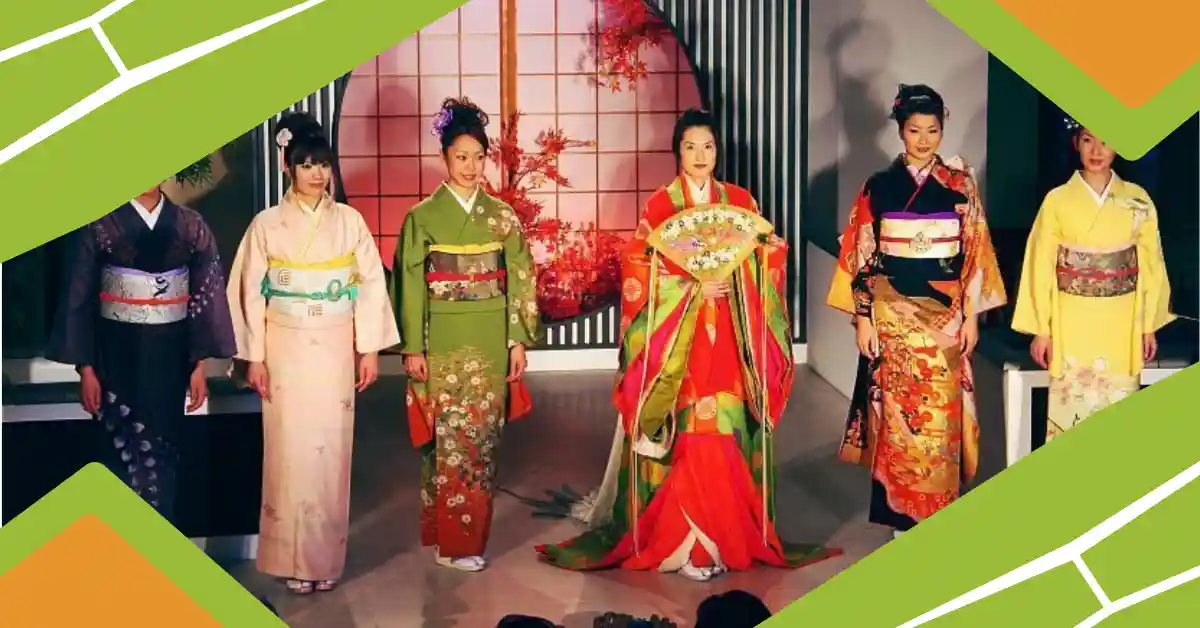
Kimono and traditional Japanese clothing represent one of the most iconic and culturally rich sartorial traditions in the world, reflecting centuries of Japanese aesthetics, social customs, and craftsmanship. From ceremonial wear to everyday historical garments, these clothing styles tell the story of Japan’s evolving identity while preserving deep cultural meaning that continues to influence modern fashion globally.
Origins of Kimono and Traditional Japanese Clothing
The history of Japanese clothing dates back thousands of years, but the kimono as we recognize it today began to take shape during the Heian period (794–1185). Early garments were heavily influenced by Chinese court attire, yet Japan gradually developed its own distinctive style characterized by straight seams, layered robes, and seasonal symbolism.
The word “kimono” itself literally means “thing to wear,” but over time it came to signify the traditional T-shaped robe that became central to Japanese dress culture. During the Edo period (1603–1868), the kimono evolved further into a refined art form. Strict class systems influenced fabric choices, colors, and patterns, making clothing a visible marker of identity, status, and occasion.
Unlike Western clothing, which emphasizes tailoring to body shape, traditional Japanese garments prioritize formality, layering, and silhouette. This approach reflects broader cultural values such as harmony, modesty, and respect for nature’s cycles.
Design Elements and Aesthetic Philosophy
One of the most fascinating aspects of Japanese traditional clothing is its deep connection to aesthetics and symbolism. Every detail of a kimono from fabric to motif placement carries meaning. Seasonal themes are especially important, with cherry blossoms representing spring, maple leaves symbolizing autumn, and cranes often associated with longevity and good fortune.
Silk has historically been the most prized material, though cotton and hemp were also widely used depending on social class and purpose. The weaving, dyeing, and embroidery techniques used in kimono production are highly specialized crafts passed down through generations.
Key design elements often include:
- Obi (belt sash): A wide decorative belt that secures the kimono and often becomes a focal point of artistic expression.
- Sleeve length variations: Different sleeve styles indicate age, marital status, or formality of the occasion.
- Pattern placement: Designs are carefully positioned to create visual balance when the garment is worn.
- Layering techniques: Historically, multiple robes were worn together to reflect seasonality and elegance.
The philosophy behind kimono design is rooted in wabi-sabi, the appreciation of imperfection and transience. This mindset values subtle beauty over extravagance and encourages harmony between human craftsmanship and nature.
Cultural Heritage and Symbolism in Japanese Society
In Japan, traditional clothing is more than attire; it is a cultural language. Kimonos are worn during important life events such as weddings, tea ceremonies, coming-of-age celebrations, and festivals. Each occasion requires specific styles, colors, and accessories that reflect respect for tradition and social etiquette.
The role of kimono in cultural heritage extends beyond clothing. It embodies craftsmanship, spirituality, and historical continuity. For example, the art of kimono-making involves multiple specialized artisans, including textile weavers, dyers, embroiderers, and dressers. Some kimono can take months or even years to complete, making them treasured heirlooms.
In contemporary society, wearing kimono is often a deliberate act of cultural appreciation. Many Japanese people rent or purchase kimono when visiting historical districts or participating in cultural experiences, reinforcing a connection to heritage in modern urban life.
The kimono also plays a role in preserving intangible cultural assets. Traditional dyeing methods like yuzen and shibori remain highly respected crafts, protected and promoted as part of Japan’s cultural identity.
Kimono in Modern Japan and Global Influence
Although Western clothing dominates daily wear in Japan today, traditional garments remain deeply embedded in cultural life. The kimono has adapted to modern contexts, appearing in fashion collections, tourism experiences, and global exhibitions.
Contemporary designers often reinterpret traditional styles, blending classic kimono silhouettes with modern fabrics, minimalist aesthetics, or streetwear influences. This fusion has introduced Japanese textile artistry to global fashion audiences while preserving its historical essence.
Interestingly, the influence of kimono design can also be seen in international fashion trends. Elements such as wrap-style garments, wide sleeves, and sash belts have inspired designers worldwide. The elegance of simplicity and structured draping continues to resonate in modern haute couture.
Even in global pop culture, kimono-inspired designs frequently appear in films, stage costumes, and artistic photography. However, respectful cultural understanding remains essential, as these garments carry deep historical and symbolic significance.
The Living Tradition of Japanese Clothing
What makes Japanese traditional clothing unique is its ability to remain relevant across centuries without losing its identity. It is not merely a preserved artifact but a living tradition that continues to evolve.
Younger generations in Japan are rediscovering kimono culture through fashion events, social media, and cultural workshops. Meanwhile, artisans are innovating techniques to keep craftsmanship alive in a rapidly changing world. This balance between preservation and innovation ensures that kimono culture remains dynamic rather than static.
Tourism has also played a role in revitalizing interest. Visitors to cities like Kyoto often experience kimono rentals, allowing them to walk through historic streets while engaging directly with Japanese heritage. This experiential connection helps foster global appreciation for the art form.
Conclusion: A Timeless Expression of Identity
The enduring appeal of the kimono lies in its ability to embody both tradition and transformation. As a cultural symbol, it represents more than fashion; it reflects philosophy, history, and artistry woven into fabric.
Understanding Kimono and traditional Japanese clothing offers insight into Japan’s cultural soul, where beauty is found in subtlety, nature, and craftsmanship. Even as global fashion evolves, the kimono remains a timeless reminder of the importance of heritage and identity.
Today, the legacy of Kimono and traditional Japanese clothing continues to inspire designers, historians, and cultural enthusiasts worldwide, ensuring that this remarkable tradition will remain alive for generations to come.
Also Read: Japanese Tea Ceremony (Chanoyu): History, Rituals, and Cultural Meaning