Kawaii Culture in Japan: Why Cute Aesthetics Dominate Fashion, Food & Society
Kawaii culture in Japan has evolved into a powerful aesthetic force that shapes fashion, food presentation, media, and even social behavior across the country. What began as a youthful expression of “cuteness” has transformed into a national identity marker that influences both domestic trends and global pop culture.
Introduction to Japan’s Obsession with Cute Aesthetics
Kawaii culture in Japan is more than just an appreciation for adorable visuals, it is a deeply rooted cultural phenomenon that reflects emotional expression, identity, and social harmony. From pastel-colored stationery to character-themed cafés, the idea of “cute” permeates everyday life in modern Japan.
This aesthetic prioritizes softness, innocence, and playfulness, often serving as a contrast to the high-pressure, formal aspects of Japanese society. Over time, it has grown from a niche youth trend into a mainstream cultural language that transcends age and gender.
Origins of Kawaii culture in Post-War Japan
The emergence of kawaii culture can be traced back to post-war Japan, when rapid modernization and economic recovery reshaped social values. During the 1970s, teenage handwriting styles often rounded and decorated with hearts and stars became popular among schoolgirls. This playful rebellion against rigid norms eventually evolved into a broader aesthetic movement.
By the 1980s and 1990s, corporations recognized the commercial potential of cuteness. Characters like those from Sanrio, especially globally famous icons such as Hello Kitty, helped cement the aesthetic in mainstream consumer culture. This period marked the shift of cuteness from subculture to a powerful economic and cultural force across Japan.
Fashion and the Rise of Harajuku Street Style
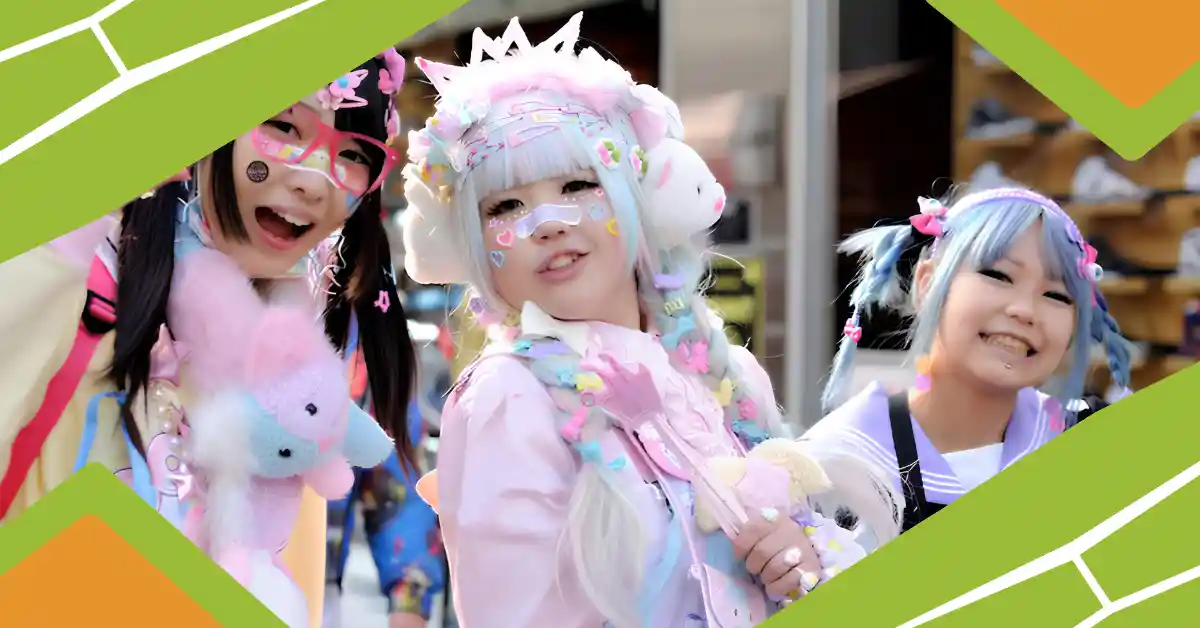
One of the most visible expressions of kawaii aesthetics can be found in fashion, particularly in Tokyo’s youth districts. The neighborhood of Harajuku is internationally recognized as the epicenter of experimental and playful street style.
Here, fashion is not just about clothing but about storytelling. Layers of pastel skirts, oversized bows, cartoon accessories, and whimsical makeup styles are common. Substyles like Lolita fashion, Decora, and Fairy Kei all embrace exaggerated cuteness as a form of self-expression.
This fashion movement has also influenced global designers, with luxury brands incorporating pastel palettes and playful motifs into runway collections. The idea of cute as couture has blurred the line between high fashion and streetwear.
Food Design: When Meals Become Art
In Japan, food presentation is as important as taste. Cafés and restaurants often design dishes that are visually charming, turning meals into Instagram-worthy experiences. Bento boxes shaped like animals, character pancakes, and pastel desserts are common in themed eateries.
This aesthetic approach to food reflects a broader cultural emphasis on harmony and visual pleasure. It also aligns with the idea that eating should be an emotionally uplifting experience, not just a necessity.
Character-themed cafés, often inspired by anime and pop culture icons, further elevate this trend. These spaces are immersive environments where food, design, and storytelling merge seamlessly.
Media, Characters, and Emotional Connection
The popularity of cute characters in Japanese media has played a significant role in spreading kawaii aesthetics. From anime mascots to corporate branding, characters are designed to evoke empathy and emotional attachment.
These characters often feature oversized eyes, soft shapes, and simple expressions that make them universally relatable. This design language helps brands connect with audiences on a deeper emotional level, fostering loyalty and affection.
In many ways, kawaii aesthetics act as emotional communication tools, allowing people to express feelings that might otherwise be difficult to articulate in formal society.
Social Impact and Cultural Psychology
Beyond fashion and entertainment, kawaii aesthetics also influence social behavior in Japan. The emphasis on softness and non-aggression reflects cultural values such as harmony, politeness, and emotional restraint.
At the same time, it provides an outlet for individuality. Young people, especially, use cute fashion and accessories to assert identity within a structured society. This duality of conformity and self-expression makes the aesthetic particularly unique.
Interestingly, psychologists have noted that exposure to cute imagery can increase focus and positive behavior. This suggests that kawaii aesthetics may have subtle cognitive and emotional benefits as well.
Global Expansion of Cute Aesthetics
Over the past two decades, kawaii aesthetics have expanded far beyond Japan’s borders. International audiences have embraced Japanese pop culture through anime, fashion collaborations, and social media trends.
Brands like Sanrio have become global icons, with products sold in countries across Asia, Europe, and the Americas. Meanwhile, fashion trends inspired by Harajuku street style continue to influence designers worldwide.
This global adoption has transformed cute aesthetics into a universal visual language, bridging cultural differences through shared emotional appeal.
Technology, Social Media, and Digital Cuteness
In the digital age, kawaii aesthetics have found new life on platforms like Instagram, TikTok, and messaging apps. Emojis, stickers, and digital avatars all reflect the same principles of cuteness, simplicity, emotion, and charm.
Japanese app culture has also contributed to this trend, with customizable avatars and themed interfaces becoming popular among younger users. Digital cuteness has become a form of self-branding, allowing individuals to curate their online identity through playful visuals.
Why Cute Aesthetics Continue to Thrive
The enduring popularity of kawaii aesthetics lies in its adaptability. It can be commercial, artistic, personal, or even political. It evolves with technology, fashion, and social values while maintaining its core emotional appeal.
In a fast-paced, often stressful modern world, cuteness offers a form of psychological relief. It invites people to slow down, smile, and engage with the world in a softer, more human way.
Conclusion: A Lasting Cultural Legacy
Kawaii culture has grown from a youthful trend into a defining feature of modern Japanese identity, influencing everything from fashion and food to global pop culture. Its ability to blend emotional expression with commercial appeal ensures its continued relevance in an ever-changing world. Today, kawaii culture remains a symbol of creativity, comfort, and cultural innovation that continues to inspire audiences around the globe.
Also Read: Cosplay Culture in Japan: Fashion, Anime Influence, and Fan Traditions