Explore Cosplay Culture in Japan: Fashion, Anime Influence, and Fan Traditions
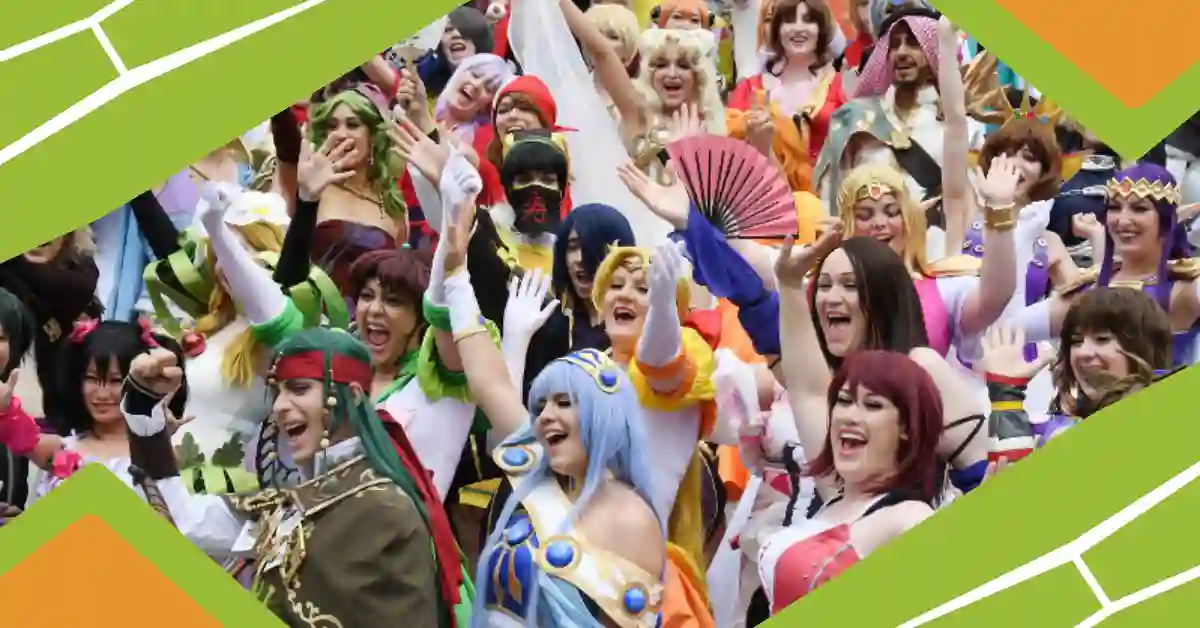
Cosplay culture in Japan is a vibrant blend of creativity, fashion, and anime-inspired self-expression that continues to captivate fans worldwide. Rooted in pop culture and deeply influenced by storytelling traditions, it has evolved into a dynamic social phenomenon that goes far beyond dressing up as fictional characters.
The Origins and Evolution of Cosplay in Japan
Japan’s cosplay scene began gaining momentum in the late 20th century alongside the global rise of anime and manga. Early fan gatherings and comic conventions provided spaces where enthusiasts could express their admiration for characters by recreating their looks. Over time, these informal activities developed into a structured cultural movement with dedicated events, competitions, and communities.
Cosplay culture in Japan is not merely about imitation; it represents a form of artistic performance. Participants invest significant effort in designing, sewing, and styling costumes that reflect both accuracy and personal interpretation. This dedication has helped cosplay transition from niche hobby to mainstream cultural expression.
Today, major events like Comiket (Comic Market) in Tokyo attract hundreds of thousands of visitors, making it one of the largest fan conventions in the world. These gatherings highlight how deeply cosplay is woven into Japan’s entertainment ecosystem and creative industries.
Anime Influence and Character Representation
One of the strongest driving forces behind cosplay is anime. Japanese animation has produced globally recognized characters that inspire fans to bring them to life. From classic series to modern hits, anime provides an endless source of inspiration for costume design, roleplay, and storytelling.
Cosplayers often choose characters not just for visual appeal but for emotional connection. A character’s personality, journey, and symbolism can influence how fans interpret and recreate their appearance. This emotional engagement is what gives cosplay culture its depth and longevity.
In Japan, anime studios and creators also recognize the importance of cosplay as part of fan engagement. Characters are often designed with distinctive outfits, color schemes, and accessories that are visually striking and easily replicable. This intentional design choice strengthens the connection between animation and real-world fan expression.
Fashion Innovation and Creative Expression
Fashion plays a central role in cosplay culture, blending traditional craftsmanship with modern trends. Many cosplayers in Japan approach costume creation as a form of wearable art. They experiment with fabrics, textures, and digital tools to achieve highly detailed and accurate designs.
Unlike everyday fashion, cosplay allows for exaggerated styles, fantasy elements, and bold aesthetics that would not typically appear in mainstream clothing. This freedom encourages innovation and self-expression, making cosplay both an artistic and personal journey.
In urban areas like Tokyo, especially districts such as Akihabara and Harajuku, cosplay-inspired fashion often intersects with street style. These neighborhoods serve as cultural hubs where creativity thrives, and where fans can showcase their work in public spaces or themed cafés.
Fan Traditions and Community Engagement
A defining feature of cosplay culture is its strong sense of community. Fans regularly gather at conventions, photo shoots, and themed events to share their passion. These spaces encourage collaboration rather than competition, allowing cosplayers to support each other’s work and exchange techniques.
Photography plays a major role in these traditions. Professional and amateur photographers often collaborate with cosplayers to capture detailed portraits that highlight costume craftsmanship and character interpretation. These images are then shared across social media platforms, helping build global recognition.
Cosplay culture in Japan also emphasizes respect and etiquette. Participants are expected to maintain character integrity during performances and show consideration for others in public spaces. This structured approach helps preserve the cultural value of cosplay while ensuring a positive experience for all involved.
Major Events and Seasonal Gatherings
Japan hosts numerous cosplay-focused events throughout the year, each offering unique experiences for fans. Comic conventions, seasonal festivals, and themed gatherings provide opportunities for cosplayers to showcase their work in front of large audiences.
One of the most iconic aspects of these events is the diversity of participants. From beginners to professional costume designers, everyone is welcomed into the space. This inclusivity has helped cosplay grow into a multi-generational activity that bridges age, background, and profession.
Seasonal events, particularly those held during summer festivals or winter conventions, often incorporate traditional Japanese elements into cosplay designs. This fusion of cultural heritage and modern fandom adds another layer of depth to the overall experience.
The Role of Technology and Social Media
Digital platforms have significantly expanded the reach of cosplay culture. Social media allows cosplayers to share their creations with global audiences instantly. Platforms like Instagram, X (formerly Twitter), and TikTok have become essential tools for visibility and networking.
Advancements in technology, such as 3D printing and digital fabric printing, have also transformed costume creation. Cosplayers can now produce highly detailed armor, props, and accessories that were once difficult to manufacture by hand.
Online communities provide spaces for tutorials, feedback, and collaboration. This digital ecosystem has helped cosplay evolve from a local hobby into a global creative industry, with Japan remaining at its cultural center.
Global Influence and Cultural Exchange
Although rooted in Japan, cosplay has become a worldwide phenomenon. International conventions and fan communities continue to grow, drawing inspiration from Japanese practices while adding local cultural elements.
Cosplay culture in Japan serves as a benchmark for quality, creativity, and authenticity. Many international cosplayers travel to Japan to participate in major events or to experience the culture firsthand. This exchange has strengthened cultural ties and encouraged mutual appreciation between fans across different countries.
Japanese media, including anime, video games, and manga, continues to fuel this global expansion. As new characters are introduced, they quickly become part of the international cosplay scene, demonstrating the lasting influence of Japanese creativity.
Challenges and Evolving Perspectives
Despite its popularity, cosplay is not without challenges. Issues such as costume originality, cultural appropriation debates, and commercialization occasionally arise within the community. However, ongoing dialogue among fans helps address these concerns and maintain respect within the culture.
Cosplay also requires significant time, financial investment, and skill development. Many participants balance their passion with work or studies, making it a deeply committed hobby rather than a casual activity.
Even with these challenges, Cosplay culture continues to thrive because of its strong foundation in creativity, community, and shared passion for storytelling.
Conclusion: The Lasting Appeal of Cosplay in Japan
Cosplay culture remains one of Japan’s most expressive and influential cultural exports. It merges fashion, anime, performance, and community into a single evolving art form. From its early beginnings to its global presence today, it reflects the power of imagination and collective creativity.
As anime continues to grow in popularity and new technologies reshape creative possibilities, cosplay will likely expand even further. Its ability to connect people across borders and inspire artistic expression ensures that it will remain a vital part of modern pop culture for years to come.
Also Read: J-Pop and Music Industry: Evolution, Trends, and Global Impact of Japanese Pop Music