The Art of Kaiseki Cuisine: Inside Japanese Fine Dining Tradition & Culture
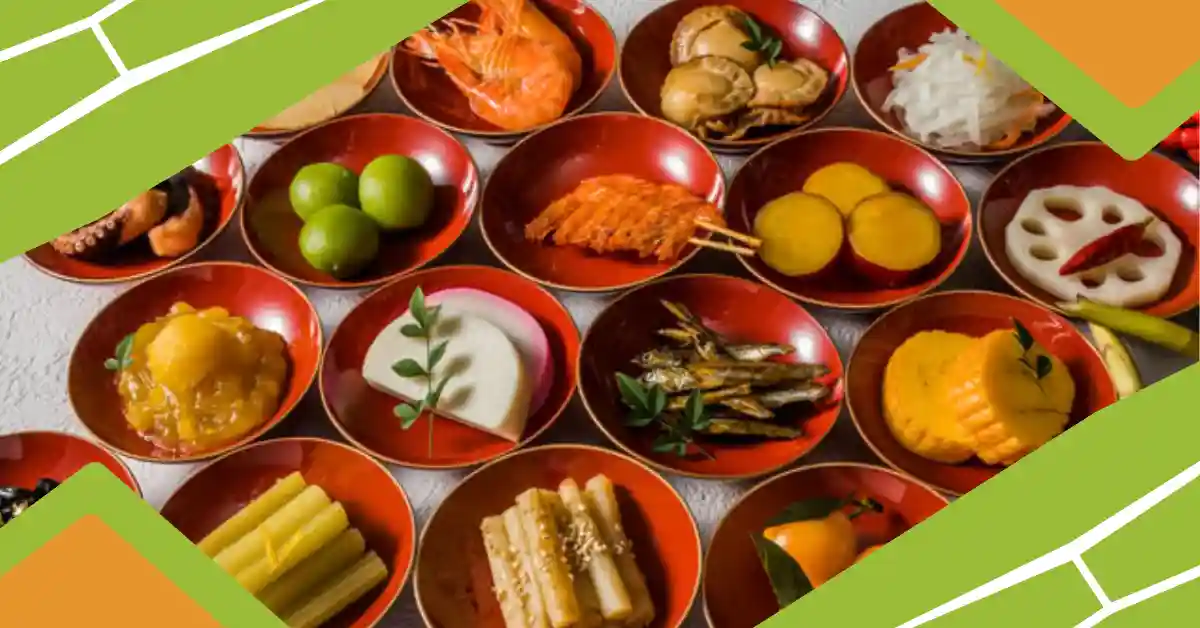
Kaiseki cuisine is one of Japan’s most refined culinary traditions, representing harmony, seasonality, and artistic presentation in fine dining.
The Essence and Origins of Kaiseki Cuisine
Kaiseki cuisine is not merely a meal; it is a carefully choreographed dining experience rooted in Japanese cultural and aesthetic philosophy. Its origins can be traced back to the simple meals served during traditional tea ceremonies, where monks and tea masters would offer light dishes to balance the strong bitterness of matcha. Over time, this humble practice evolved into a sophisticated multi-course dining style that emphasizes precision, seasonality, and emotional storytelling through food.
At its core, Kaiseki cuisine reflects the Japanese concept of shun, which means eating ingredients at their peak seasonal freshness. Chefs dedicate themselves to selecting the finest produce, seafood, and herbs available at that exact moment in the year. This commitment to seasonality ensures that no two kaiseki meals are ever the same, making each dining experience unique and deeply connected to nature.
Another essential principle is wabi-sabi, the appreciation of simplicity and imperfection. Rather than overwhelming diners with complexity, kaiseki focuses on subtlety, balance, and elegance. Every dish is intentionally designed to evoke emotion, often mirroring the natural landscape of the season such as cherry blossoms in spring or maple leaves in autumn.
Structure, Presentation, and Culinary Philosophy
A traditional kaiseki meal follows a multi-course structure, though it is not rigidly fixed. Instead, chefs adapt the progression of dishes based on ingredients and inspiration. The experience is designed to engage all five senses, from visual presentation to aroma, texture, and taste.
A typical sequence might include an appetizer, sashimi, simmered dishes, grilled items, steamed courses, and a delicate rice or noodle dish to conclude the savory portion. A small dessert often follows, offering a gentle sweetness to close the experience.
Unlike Western fine dining, where richness and decadence may dominate, Kaiseki cuisine prioritizes restraint. Portions are intentionally small, allowing diners to focus on appreciation rather than fullness. Plates are often arranged with meticulous attention to color contrast, negative space, and seasonal motifs. Even the choice of ceramic or lacquerware reflects the season, enhancing the storytelling aspect of the meal.
Key elements often emphasized in kaiseki preparation include:
- Seasonal ingredients sourced at peak freshness
- Balanced progression of flavors and textures
- Artistic plating inspired by nature
- Harmony between food, tableware, and setting
- Minimal seasoning to highlight natural taste
Each dish is designed not only to nourish but to communicate. A chef may subtly reference a mountain landscape through vegetable arrangement or suggest ocean waves through sashimi presentation. This visual storytelling is one of the defining characteristics that elevates kaiseki to an art form.
The Role of the Chef and Dining Experience
In Kaiseki cuisine, the chef is more than a cook; they are an artist, philosopher, and storyteller. Years of rigorous training are required to master the techniques and intuition needed to craft a seamless dining experience. Many chefs begin their apprenticeships at a young age, spending years observing before even touching ingredients.
The dining experience itself is equally important. Kaiseki meals are typically served in quiet, intimate settings such as traditional ryokan inns or specialized restaurants. The atmosphere is designed to encourage mindfulness and appreciation of each dish as it arrives.
Timing plays a crucial role. Each course is served individually, allowing guests to fully experience its aroma, temperature, and texture before moving on to the next. Conversation often pauses as diners focus on the sensory journey unfolding before them.
The philosophy extends beyond food to hospitality, known in Japan as omotenashi. This concept emphasizes anticipating the guest’s needs without expectation of reward. Every detail, from the placement of chopsticks to the selection of seasonal flowers on the table, is carefully considered to enhance comfort and harmony.
Seasonal Expression and Artistic Innovation
One of the most captivating aspects of Kaiseki cuisine is its deep connection to the changing seasons. Spring menus might feature bamboo shoots and cherry blossom-inspired presentations, while summer dishes often highlight cooling ingredients like cucumber and river fish. Autumn brings earthy flavors such as mushrooms and chestnuts, while winter emphasizes warming broths and hearty root vegetables.
This seasonal rhythm ensures that kaiseki remains dynamic and ever-evolving. Chefs are constantly inspired by nature’s cycles, which encourages creativity and innovation within tradition. While classical rules are respected, modern interpretations of kaiseki have emerged, incorporating global influences and contemporary plating techniques without losing the essence of balance and harmony.
Even in modern adaptations, the emotional core remains unchanged. Kaiseki cuisine continues to be about storytelling, where each dish represents a moment in time, a feeling, or a reflection of nature’s beauty.
Cultural Significance and Modern Appreciation
Beyond its culinary excellence, Kaiseki cuisine holds deep cultural significance in Japan. It embodies values such as respect for nature, mindfulness, and seasonal awareness. Dining becomes a meditative experience rather than a purely physical one, encouraging guests to slow down and appreciate subtle details often overlooked in daily life.
In recent years, kaiseki has gained international recognition, with high-end restaurants around the world attempting to replicate its philosophy. However, true kaiseki is difficult to reproduce outside Japan due to its reliance on local seasonal ingredients, cultural context, and centuries of tradition.
The experience also reflects a broader Japanese aesthetic philosophy that values harmony between humans and nature. Every element, from ingredient selection to presentation, is guided by this principle. It is not simply about taste, but about creating a moment of connection between the diner and the natural world.
For many travelers, experiencing Kaiseki cuisine in Japan is considered a cultural highlight. It offers insight into the country’s history, artistic sensibilities, and deep respect for seasonal change.
Conclusion: A Living Culinary Art Form
Kaiseki cuisine remains one of the most sophisticated expressions of Japanese culinary heritage. It is a tradition that continues to evolve while staying deeply rooted in philosophy and nature. Through its emphasis on seasonality, artistry, and emotional storytelling, it transforms dining into a multisensory journey.
More than just a meal, Kaiseki cuisine represents a worldview one that values balance, impermanence, and beauty in simplicity. Each carefully crafted course invites diners to pause, reflect, and appreciate the fleeting moments of the season. In doing so, it preserves not only the flavors of Japan but also its cultural soul.
Also Read: Washoku Japanese Cuisine: History, Traditions, and Healthy Balanced Food Culture