Washoku Japanese Cuisine: History, Traditions, and Healthy Balanced Food Culture
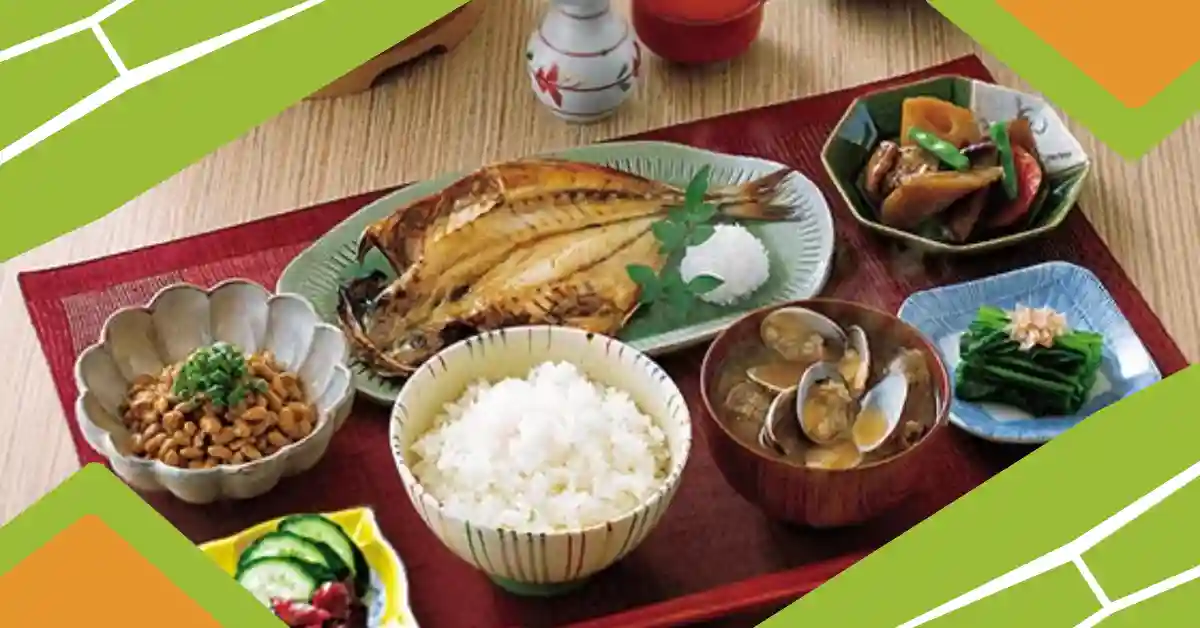
Washoku Japanese cuisine is more than just a style of eating; it is a cultural heritage rooted in harmony, seasonal awareness, and nutritional balance. Recognized by UNESCO as an Intangible Cultural Heritage, Washoku reflects Japan’s deep respect for nature, ingredients, and mindful consumption. In today’s fast-paced world, this traditional food culture continues to gain global appreciation for its elegance, simplicity, and health benefits.
From its ancient origins to its modern-day global influence, Washoku offers a fascinating journey through history, tradition, and a uniquely balanced approach to food that continues to inspire chefs and health-conscious eaters around the world.
The Historical Roots of Washoku Japanese Cuisine
The history of Washoku can be traced back thousands of years, evolving alongside Japan’s geography, agriculture, and cultural exchanges. Early Japanese diets were heavily influenced by rice cultivation, which became the foundation of daily meals. Over time, ingredients such as fish, seaweed, soybeans, and seasonal vegetables became central to the cuisine.
During the Heian period (794–1185), court cuisine became more refined, emphasizing aesthetics and seasonal presentation. Later, the introduction of Buddhism further shaped dietary habits by encouraging a more plant-based approach, reducing meat consumption and highlighting vegetables, tofu, and grains.
By the Edo period (1603–1868), food culture in Japan had become highly developed, with regional variations and culinary techniques flourishing. Street foods, sushi, and tempura began to emerge, laying the foundation for what we now recognize as modern Japanese cuisine.
Throughout its evolution, Washoku maintained a strong connection to nature, seasonality, and simplicity values that remain central today.
Core Principles and Traditions of Washoku
At the heart of Washoku Japanese cuisine lies a set of principles that guide not only how food is prepared but also how it is experienced. One of the most important concepts is “Ichiju-Sansai,” which means “one soup, three dishes.” This traditional meal structure ensures balance, variety, and nutritional completeness.
A typical Washoku meal is carefully designed to include a harmony of taste, color, texture, and cooking methods. Each dish is served in smaller portions, encouraging mindful eating and appreciation of each ingredient.
The philosophy emphasizes:
- Seasonal ingredients (shun), ensuring freshness and natural flavor
- Minimal processing to preserve original taste and nutrients
- Visual harmony through presentation and plating
- Respect for ingredients, avoiding waste and overuse
In traditional Japanese households, meals are also deeply connected to rituals and etiquette. Bowing before eating, expressing gratitude with “Itadakimasu,” and appreciating the effort behind each dish are all part of the cultural experience.
Washoku is not just food, it is a reflection of respect, mindfulness, and balance in everyday life.
Seasonal Harmony and Ingredient Selection
One of the defining features of Washoku Japanese cuisine is its deep connection to nature’s seasons. Ingredients are chosen based on what is freshest and most abundant during a specific time of year. This practice not only enhances flavor but also ensures optimal nutritional value.
Spring may bring bamboo shoots and fresh greens, while summer highlights cucumber, eggplant, and cold noodles. Autumn introduces mushrooms and chestnuts, and winter focuses on warming dishes like hot pot and root vegetables.
This seasonal awareness encourages people to live in harmony with the environment, appreciating the natural cycle of growth and harvest. It also reduces reliance on artificial preservation methods, keeping food closer to its natural state.
The Healthy Balanced Food Culture of Washoku
One of the main reasons Washoku Japanese cuisine has gained international recognition is its association with health and longevity. Japan is known for having one of the highest life expectancies in the world, and diet plays a significant role in this.
Traditional meals are naturally low in saturated fats and high in nutrients. The emphasis on fish, vegetables, fermented foods, and small portions contributes to better digestion and overall well-being.
A typical balanced structure of Washoku includes:
- Rice as the staple carbohydrate
- Soup (often miso-based) for hydration and probiotics
- Protein sources like fish, tofu, or legumes
- Side dishes made from seasonal vegetables
Fermented foods such as miso, soy sauce, and pickled vegetables support gut health, while seafood provides essential omega-3 fatty acids. The cooking methods such as steaming, grilling, and simmering help preserve nutrients without excessive oil.
This naturally balanced approach makes Washoku not only delicious but also aligned with modern nutritional science.
Aesthetic Philosophy and Dining Experience
In Washoku Japanese cuisine, presentation is just as important as taste. Food is arranged to reflect natural beauty, often inspired by landscapes, seasons, and simplicity. Plates are carefully chosen to complement the color and texture of the dish.
The dining experience is designed to engage all senses. The aroma of freshly cooked rice, the visual appeal of seasonal vegetables, and the delicate flavors of broth-based soups all contribute to a mindful eating experience.
Even the placement of dishes follows aesthetic principles, ensuring balance and harmony on the table. This attention to detail transforms a simple meal into an artistic expression of culture.
Modern Evolution and Global Influence
In recent decades, Washoku Japanese cuisine has expanded far beyond Japan, becoming a global culinary phenomenon. Sushi, ramen, and tempura are now enjoyed worldwide, often adapted to local tastes while preserving their traditional essence.
At the same time, modern Japanese chefs are innovating by blending traditional techniques with contemporary culinary styles. This evolution keeps Washoku relevant while maintaining its cultural integrity.
Health-conscious trends have also contributed to its popularity. As people around the world seek healthier diets, the balanced structure and nutrient-rich ingredients of Washoku have made it a preferred choice.
Restaurants specializing in Japanese cuisine now emphasize authenticity, seasonal menus, and minimalist presentation bringing traditional values into modern dining spaces.
Cultural Significance and Respect for Nature
Beyond food, Washoku Japanese cuisine represents a deeper philosophy of life. It teaches respect for nature, appreciation of resources, and mindfulness in consumption. Nothing is wasted, and every ingredient is treated with care.
This cultural mindset extends to everyday life in Japan, influencing sustainability practices and environmental awareness. The idea of living in harmony with nature is not just a culinary principle but a way of thinking.
Conclusion: The Timeless Appeal of Washoku
Washoku Japanese cuisine continues to stand as a timeless expression of culture, health, and harmony. From its historical roots to its modern global influence, it represents a perfect balance between tradition and innovation.
Its emphasis on seasonal ingredients, nutritional balance, aesthetic presentation, and respect for nature makes it more than just a diet it is a lifestyle. As the world increasingly embraces healthier and more mindful eating habits, Washoku offers a model that is both sustainable and deeply meaningful.
Whether experienced in a traditional Japanese home or a modern restaurant abroad, Washoku Japanese cuisine continues to inspire people to eat with awareness, gratitude, and balance.