Japanese Minimalist Living: Aesthetic Home Design & Lifestyle Explained
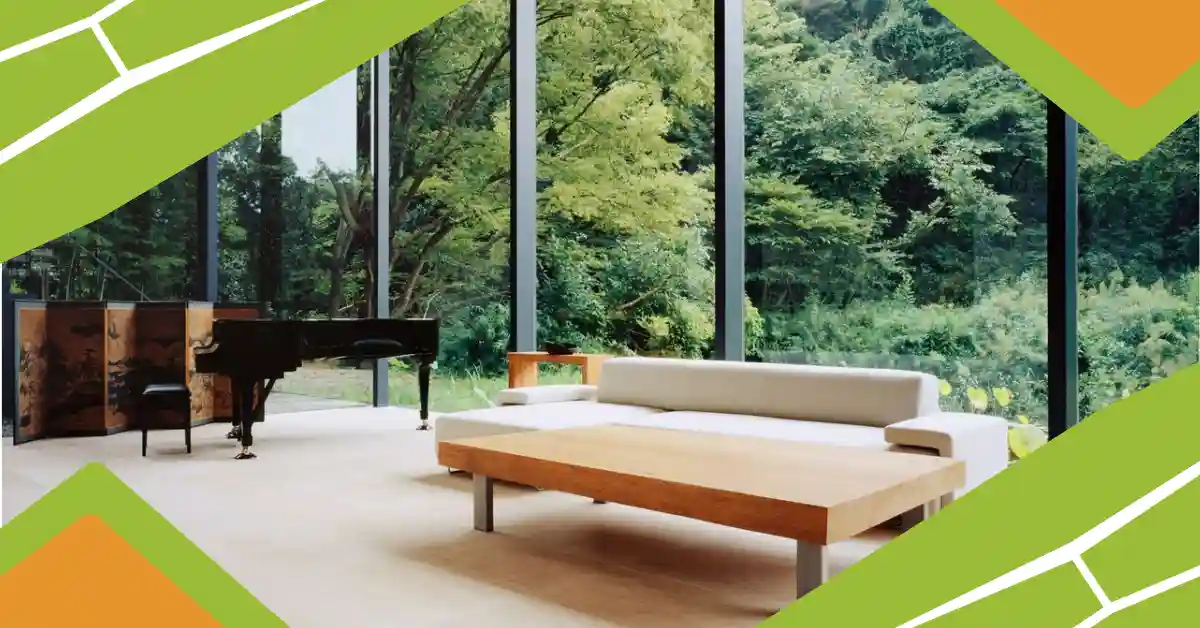
Japanese minimalist living is more than just a design trend; it is a refined philosophy that blends simplicity, mindfulness, and functionality into everyday life. Rooted deeply in traditional Japanese aesthetics and influenced by Zen Buddhism, this lifestyle emphasizes the beauty of emptiness, intentional living, and harmony with nature. In modern times, it has gained global popularity as people seek clarity, calmness, and order in increasingly chaotic environments. From uncluttered interiors to mindful consumption habits, this approach transforms both homes and minds into peaceful sanctuaries.
At its core, Japanese minimalist living is not about deprivation but about prioritizing what truly matters. It encourages individuals to remove excess, focus on essentials, and appreciate the subtle elegance found in simplicity. This philosophy is reflected in both architecture and daily routines, creating spaces that feel open, breathable, and emotionally balanced.
The Philosophy Behind Japanese Minimalist Living
To understand this aesthetic fully, it is important to explore its cultural and philosophical roots. Japanese minimalism draws heavily from Zen principles, which emphasize presence, awareness, and detachment from material excess. The concept of “ma,” which refers to negative space or emptiness, plays a central role. Rather than viewing empty space as something lacking, it is seen as essential for balance and beauty.
This philosophy also aligns closely with “wabi-sabi,” a traditional Japanese worldview that finds beauty in imperfection and impermanence. Objects are appreciated for their natural wear, simplicity, and authenticity rather than perfection or extravagance. Together, these ideas shape a lifestyle that values calmness over chaos and meaning over material accumulation.
In this context, Japanese minimalist living becomes a way of thinking rather than just a visual style. It encourages individuals to slow down, observe their surroundings, and make intentional choices about what they allow into their lives. This mindset naturally extends into home design, where every object serves a purpose and every space is thoughtfully curated.
Aesthetic Home Design Inspired by Simplicity
Homes designed under this philosophy are often characterized by clean lines, natural materials, and open layouts. Instead of overcrowding rooms with decorative elements, emphasis is placed on spatial flow and natural light. Wooden textures, neutral color palettes, and organic materials such as bamboo, stone, and linen are commonly used to create a sense of warmth and grounding.
Furniture is typically low-profile and functional, designed to blend seamlessly into the space rather than dominate it. Storage solutions are hidden or integrated into the architecture to maintain visual clarity. Sliding doors, open floor plans, and flexible spaces are also common features, allowing rooms to adapt to different needs without clutter.
A key principle in Japanese minimalist living is the idea that every object should either serve a function or bring deep joy. This encourages homeowners to carefully select each item in their environment, resulting in spaces that feel intentional and harmonious. Even decorative elements, when present, are subtle and often inspired by nature, such as a single vase with seasonal flowers or a carefully placed ceramic bowl.
Natural light also plays a crucial role in shaping the atmosphere of the home. Large windows, soft curtains, and open spaces allow sunlight to move freely, creating a dynamic interplay of light and shadow throughout the day. This not only enhances the visual appeal of the space but also strengthens the connection between indoor and outdoor environments.
In many ways, Japanese minimalist living redefines luxury. Instead of excess, luxury is found in spaciousness, silence, and clarity. A room that is free from clutter feels larger, calmer, and more inviting, allowing the mind to rest and reset.
Mindful Lifestyle and Daily Practices
Beyond physical spaces, this philosophy extends deeply into daily habits and routines. It encourages individuals to live with intention, reduce unnecessary consumption, and cultivate awareness in everyday activities. This shift in mindset is just as important as the visual design of the home.
One of the core practices is decluttering, but not in a superficial sense. It involves regularly evaluating possessions and letting go of items that no longer serve a meaningful purpose. This process helps create mental clarity and reduces the emotional weight associated with excess belongings.
Another important aspect is mindful consumption. Instead of frequently purchasing new items, emphasis is placed on choosing fewer, higher-quality objects that last longer and carry deeper value. This reduces waste and promotes a more sustainable way of living.
Daily rituals also reflect the principles of Japanese minimalist living. Simple acts such as preparing meals with care, maintaining a clean and organized space, or taking time for quiet reflection become meaningful parts of the day. These routines help cultivate a sense of presence and appreciation for the moment.
Technology use is often balanced rather than eliminated. While modern devices are essential, their presence is managed carefully to avoid overstimulation. This helps maintain a peaceful environment where focus and relaxation can coexist.
Ultimately, this lifestyle is about alignment, aligning one’s environment, habits, and mindset with simplicity and purpose. It is not a rigid system but a flexible approach that can be adapted to individual needs and circumstances.
Emotional and Psychological Benefits of Minimalist Living
One of the most profound outcomes of embracing this lifestyle is its impact on mental well-being. A clutter-free environment often leads to reduced stress levels, improved focus, and greater emotional stability. When the external environment is calm and organized, the mind tends to reflect that same state.
Japanese minimalist living also encourages a deeper connection with oneself. By removing distractions, individuals are able to better understand their preferences, values, and priorities. This self-awareness fosters more intentional decision-making in all areas of life.
Additionally, the emphasis on simplicity helps reduce decision fatigue. With fewer possessions and distractions, daily choices become easier and more efficient, freeing mental energy for more meaningful pursuits.
Living with Intention and Balance
At its heart, Japanese minimalist living is about balance between presence and absence, function and beauty, material and spiritual life. It teaches that true comfort does not come from abundance but from harmony. By carefully curating both physical spaces and daily habits, individuals can create environments that support clarity, peace, and fulfillment.
This philosophy continues to resonate in modern society because it offers a counterbalance to fast-paced, consumer-driven lifestyles. It reminds us that slowing down, simplifying, and appreciating the essentials can lead to a more meaningful existence.
Conclusion
In a world filled with constant stimulation and excess, Japanese minimalist living offers a refreshing alternative rooted in simplicity and intention. It combines aesthetic home design with mindful lifestyle practices to create spaces and habits that promote peace and clarity. By embracing this approach, individuals can transform not only their homes but also their relationship with everyday life.
Whether through clean interior design, thoughtful consumption, or mindful routines, this philosophy encourages a return to what truly matters. It is not about having less for the sake of less, but about making space for what genuinely enriches life.
Also Read: Exploring Japanese Architecture and Temples: Zen Design, History, and Sacred Spaces