Exploring Japanese Architecture and Temples: Zen Design, History, and Sacred Spaces
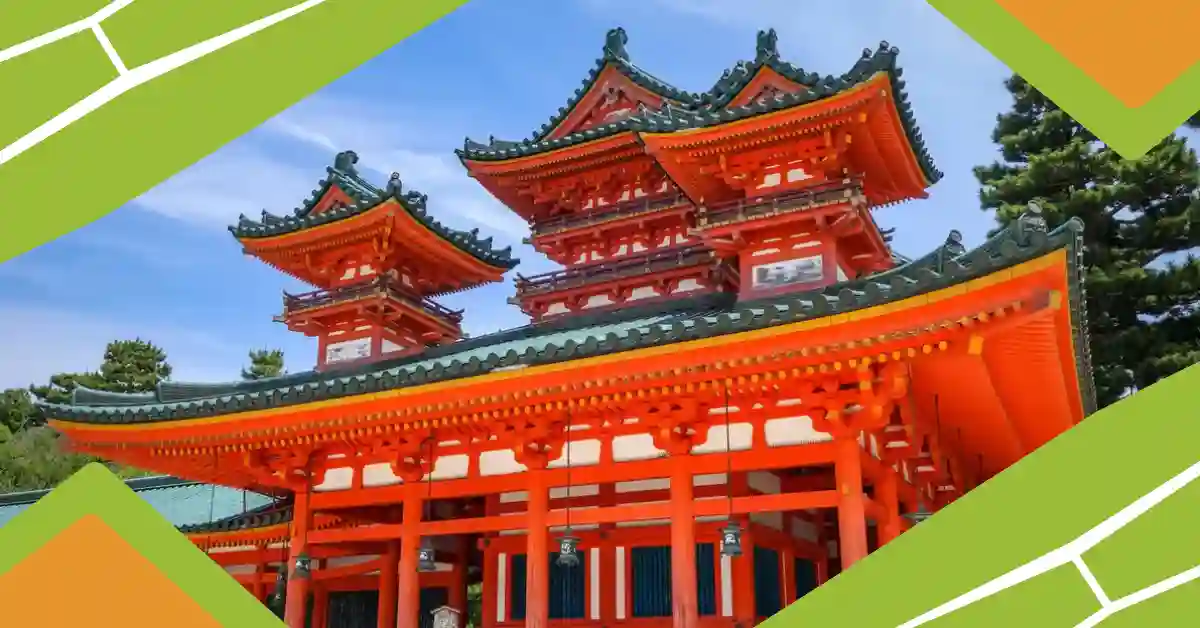
The world of Japanese architecture and temples is a profound reflection of harmony, spirituality, and aesthetic simplicity that has evolved over centuries. Rooted in philosophical traditions such as Zen Buddhism and Shinto beliefs, Japan’s architectural identity is not merely about constructing buildings but about shaping experiences that connect humans with nature and the divine. From serene wooden structures nestled in forested mountains to meticulously designed urban sanctuaries, these sacred spaces embody a cultural narrative that values balance, impermanence, and mindful living.
What makes this architectural tradition so captivating is its ability to merge form and function with spiritual intention. Every beam, sliding door, and garden stone is placed with purpose, creating environments that encourage reflection and inner stillness. As modern architecture increasingly leans toward minimalism, Japan’s historical approach continues to inspire designers across the globe. Understanding this architectural legacy reveals not only the evolution of building techniques but also the philosophical foundation that continues to shape contemporary design thinking.
Zen Design Principles and Aesthetic Philosophy
At the heart of traditional Japanese design lies Zen philosophy, which emphasizes simplicity, emptiness, and the beauty of imperfection. Zen-inspired spaces are intentionally minimal, allowing natural materials and open layouts to speak for themselves. Rather than overwhelming the senses, these environments encourage quiet contemplation.
Wood, stone, paper, and natural fibers dominate construction materials, chosen not only for their availability but for their symbolic connection to nature. Sliding doors known as shoji, tatami mat flooring, and open verandas blur the boundary between indoor and outdoor spaces. This seamless transition is intentional, reflecting the belief that human life is deeply interconnected with the natural world.
A defining aspect of Zen design is the concept of wabi-sabi, which embraces impermanence and imperfection. Weathered wood, uneven stone paths, and asymmetrical layouts are not flaws but expressions of authenticity and time. This philosophy transforms spaces into living entities that evolve alongside their surroundings.
Within this framework, Japanese architecture and temples often prioritize negative space, or ma, which is just as important as the structures themselves. Empty space is not considered void but meaningful, offering room for reflection and emotional clarity. This approach has deeply influenced modern minimalist design worldwide, from residential architecture to contemporary art galleries.
Historical Evolution of Sacred Architecture in Japan
The development of Japanese architectural styles is deeply intertwined with the country’s religious and cultural history. Early influences came from China and Korea, particularly during the Asuka and Nara periods, when Buddhism was first introduced to Japan. Over time, these external influences were adapted into uniquely Japanese forms that reflected local beliefs and environmental conditions.
During the Heian period, aristocratic estates and temples began to incorporate more refined aesthetics, focusing on elegance and harmony with nature. This era saw the emergence of shinden-zukuri, a residential style that emphasized open spaces and natural integration. As Buddhism spread further, temple architecture evolved into more complex forms, incorporating pagodas, meditation halls, and carefully designed gardens.
The Kamakura and Muromachi periods marked a significant shift toward Zen Buddhism, which strongly influenced architecture. Structures became more restrained and meditative, reflecting the warrior culture of the time. Gardens were designed to represent natural landscapes in abstract form, using rocks, gravel, and carefully pruned trees to symbolize mountains, rivers, and islands.
Even today, the legacy of Japanese architecture and temples from these historical periods remains visible in preserved sites across Kyoto, Nara, and Kamakura. These locations serve not only as tourist destinations but also as living museums of cultural memory, where architectural evolution can be observed in physical form.
Sacred Spaces and the Role of Temples in Society
Japanese temples are more than religious structures; they are cultural anchors that embody centuries of spiritual practice and community life. Whether affiliated with Buddhism or Shintoism, these sacred spaces are designed to foster tranquility and reflection.
A typical temple complex is carefully arranged to guide visitors through a symbolic journey. Gates marks the transition from the secular world into a sacred realm. Pathways often wind through natural landscapes, encouraging a gradual shift in mindset. Main halls house statues, altars, or sacred objects, while surrounding gardens provide spaces for meditation and contemplation.
One of the most striking features of temple design is its integration with nature. Unlike rigid urban architecture, temples often appear to grow organically from their environment. Wooden structures weather gracefully over time, blending into forests, mountains, or coastal landscapes. This harmony reinforces the spiritual idea that humanity is not separate from nature but part of its continuous cycle.
Rituals and ceremonies also shape the spatial design of temples. Spaces are created to accommodate prayer, meditation, and seasonal festivals, ensuring that architecture remains functional within spiritual practice. Bells, incense, and water purification basins are strategically placed to engage multiple senses, deepening the visitor’s experience.
The enduring relevance of Japanese architecture and temples in modern society lies in their ability to offer refuge from the fast-paced digital world. As urbanization increases, these sacred environments provide essential spaces for mental restoration and cultural connection.
Influence on Modern Architecture and Global Design
In recent decades, Japanese architectural principles have significantly influenced global design trends. Minimalism, sustainability, and biophilic design all draw inspiration from traditional Japanese aesthetics. Architects worldwide study temple layouts, residential designs, and Zen gardens to understand how simplicity can create emotional depth.
Contemporary buildings in Japan continue to evolve this legacy, blending advanced technology with traditional philosophy. Glass, steel, and concrete are now used alongside natural materials, yet the guiding principles remain rooted in balance and harmony. This fusion demonstrates that tradition and innovation are not opposites but complementary forces.
Internationally, residential and commercial spaces increasingly adopt Japanese-inspired elements such as open floor plans, natural lighting, and organic textures. These design choices reflect a growing desire for calm, mindful environments in an increasingly complex world.
Conclusion
The study of Japanese architecture and temples reveals a rich tapestry of history, philosophy, and design innovation that continues to shape global architectural thinking. From the minimalist elegance of Zen-inspired spaces to the intricate evolution of sacred temple complexes, Japan offers a unique perspective on how built environments can reflect deeper spiritual values.
More than just physical structures, these architectural forms represent a worldview one that values impermanence, harmony with nature, and the quiet power of simplicity. As modern society searches for balance amidst rapid change, the timeless principles embedded in Japan’s sacred architecture remain more relevant than ever, offering guidance on how to create spaces that nurture both body and mind.
Also Read: Explore Shinto Shrines and Buddhist Temples in Japan: History, Rituals, and Travel Guide