Explore Shinto Shrines and Buddhist Temples in Japan: History, Rituals, and Travel Guide 2026
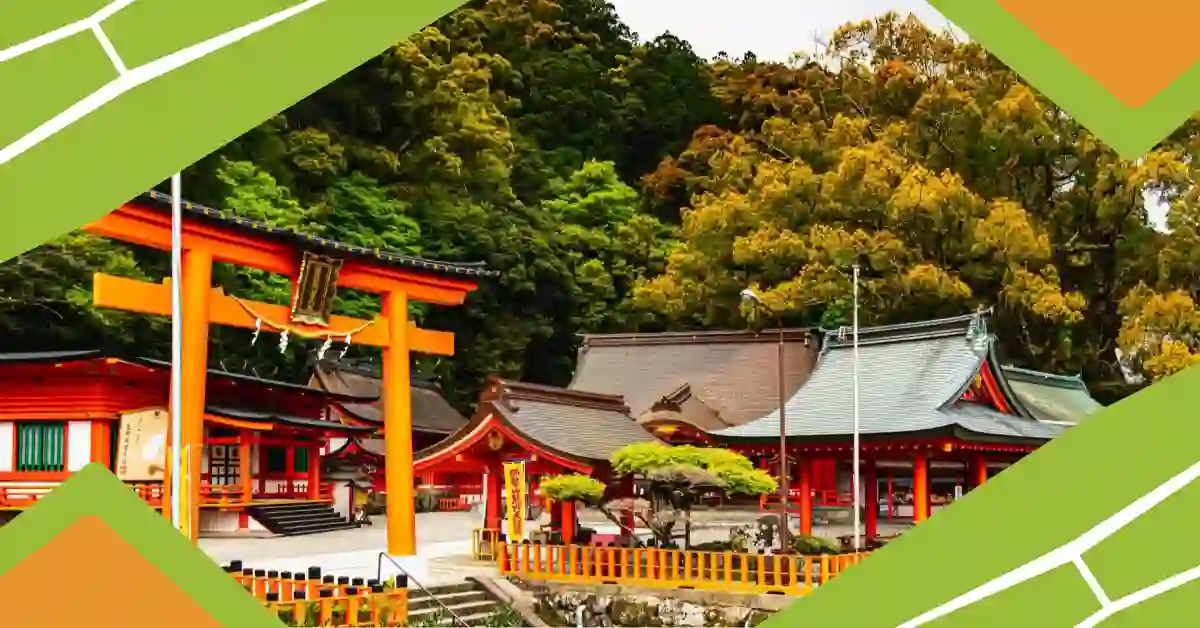
Shinto Shrines and Buddhist temples in Japan offer a profound journey into the country’s spiritual heritage, blending ancient traditions with living culture that continues to shape everyday life in 2026. From serene forest sanctuaries to towering golden halls in bustling cities, these sacred spaces are more than tourist attractions; they are active centers of worship, reflection, and community identity. For travelers seeking meaningful cultural immersion, understanding their history, rituals, and etiquette is essential to experiencing Japan beyond its modern skyline.
The Spiritual Roots: History of Sacred Japan
Japan’s religious landscape is uniquely shaped by the coexistence of Shinto and Buddhism. Shinto, the indigenous belief system, dates back thousands of years and centers on the worship of kami spirits associated with nature, ancestors, and sacred places. Shrines were traditionally built to honor these divine forces, often situated in mountains, forests, or near water sources considered spiritually powerful.
Buddhism arrived in Japan from China and Korea around the 6th century, introducing new philosophies about enlightenment, suffering, and rebirth. Over time, it integrated with Shinto beliefs rather than replacing them, leading to a blended spiritual environment known as shinbutsu-shūgō (the fusion of kami and Buddhas). This coexistence is still visible today, where shrines and temples often exist side by side, sometimes even sharing landscapes and cultural festivals.
By 2026, this dual heritage remains one of Japan’s most distinctive cultural features. Visitors often find themselves moving between the tranquil simplicity of Shinto shrines and the ornate, contemplative architecture of Buddhist temples, experiencing two complementary expressions of spirituality.
Architecture and Atmosphere: A Tale of Two Traditions
One of the most striking aspects of Japan’s sacred sites is their architectural contrast. Shinto shrines are typically minimalist, emphasizing harmony with nature. The iconic torii gate marks the transition from the secular world into a sacred space. Within the shrine grounds, visitors often find gravel paths, wooden structures, and serene surroundings designed to evoke purity and simplicity.
Buddhist temples, on the other hand, are often more elaborate. Pagodas, incense-filled halls, golden statues, and intricate carvings reflect Buddhist teachings and artistic influence from across Asia. These spaces are designed to encourage contemplation, prayer, and meditation.
Despite their differences, both types of sites share a deep connection to Japan’s cultural identity. Many travelers exploring Shinto Shrines and Buddhist temples notice that each visit feels like stepping into a different emotional and spiritual environment one rooted in nature, the other in introspection.
Rituals and Etiquette: How to Experience Sacred Spaces Respectfully
Understanding local customs is essential when visiting Japan’s sacred sites. Rituals are simple but meaningful, and participating respectfully enhances the experience.
At Shinto shrines, visitors typically cleanse their hands and mouth at a water pavilion called a temizuya before approaching the main hall. This symbolic purification prepares the body and mind for prayer. Offerings are often made by tossing coins into a wooden box, followed by a bow, two claps, and a final bow, a gesture believed to invite the attention of the kami.
At Buddhist temples, rituals are more meditative. Visitors may burn incense, ring a large bell, or quietly offer prayers in front of statues of Buddha or bodhisattvas. Silence and reflection are key elements here, as temples are spaces for inner peace rather than active participation.
A few important etiquette guidelines include:
- Avoid speaking loudly or disrupting worshippers.
- Do not walk through sacred areas marked as restricted.
- Photography may be limited in certain halls.
- Always bow slightly when entering or leaving sacred spaces.
These practices are not strict rules for tourists but respectful gestures that help preserve the sanctity of the environment.
Regional Highlights: Must-Visit Shrines and Temples in 2026
Japan offers countless sacred sites, each with its own history and atmosphere. While it is impossible to explore them all, a few stand out for travelers in 2026:
- In Kyoto, the golden splendor of Kinkaku-ji Temple reflects centuries of Buddhist artistry and Zen philosophy.
- In Tokyo, Meiji Shrine provides a peaceful forest escape in the heart of the city, dedicated to Emperor Meiji and Empress Shoken.
- In Nara, Todai-ji Temple houses a massive bronze Buddha statue and stands as a symbol of early Japanese Buddhism.
Each destination reveals a different layer of Japan’s spiritual identity, making travel both educational and deeply atmospheric.
Seasonal Experiences and Festivals
Timing your visit can significantly enhance your experience. Spring brings cherry blossoms that frame shrine paths in delicate pink, while autumn transforms temple gardens into vibrant landscapes of red and gold. These seasonal shifts are not just visual, they are deeply tied to spiritual symbolism in both Shinto and Buddhist traditions.
Festivals, or matsuri, also play a major role. Many shrines host annual celebrations featuring traditional music, dance, and processions of portable shrines (mikoshi). Temples often hold lantern festivals or meditation retreats, offering visitors a chance to participate in living traditions rather than simply observe them.
Travel Tips for Japan 2026
Traveling in Japan has become increasingly accessible, with improved multilingual signage, digital guides, and eco-friendly transport options. For those planning a cultural journey in 2026, consider the following:
- Use Japan Rail Pass options for efficient intercity travel.
- Visit early in the morning to avoid crowds and experience quieter atmospheres.
- Dress modestly when visiting sacred sites.
- Learn a few basic Japanese phrases to show respect and enhance interactions.
Sustainable tourism is also becoming more important. Many temples and shrines now encourage eco-conscious behavior, such as reducing plastic waste and supporting local preservation efforts.
The Living Harmony of Tradition and Modern Life
What makes Japan’s sacred spaces truly remarkable is not just their history, but their continued relevance. In a rapidly modernizing society, they remain anchors of tradition, offering moments of stillness amid urban energy. Locals visit them for blessings, seasonal celebrations, and personal reflection, ensuring that these spaces remain active parts of daily life.
For travelers, experiencing Shinto Shrines and Buddhist temples is not simply about sightseeing, it is about witnessing a living cultural dialogue between nature, spirituality, and human connection.
Conclusion
Exploring Japan’s sacred heritage offers a rare opportunity to connect with centuries-old traditions that continue to thrive in the modern world. From the gentle rustle of shrine forests to the echoing bells of temple halls, every visit reveals a deeper layer of meaning. Whether you are a first-time visitor or a returning traveler, the journey through these sacred spaces in 2026 promises insight, tranquility, and unforgettable cultural depth.
Also Read: Shisa: The Guardian Lions of Okinawa History, Meaning & Cultural Legacy