Explore Japanese Bento Boxes: Traditional, Cute, and Healthy Lunch Ideas from Japan
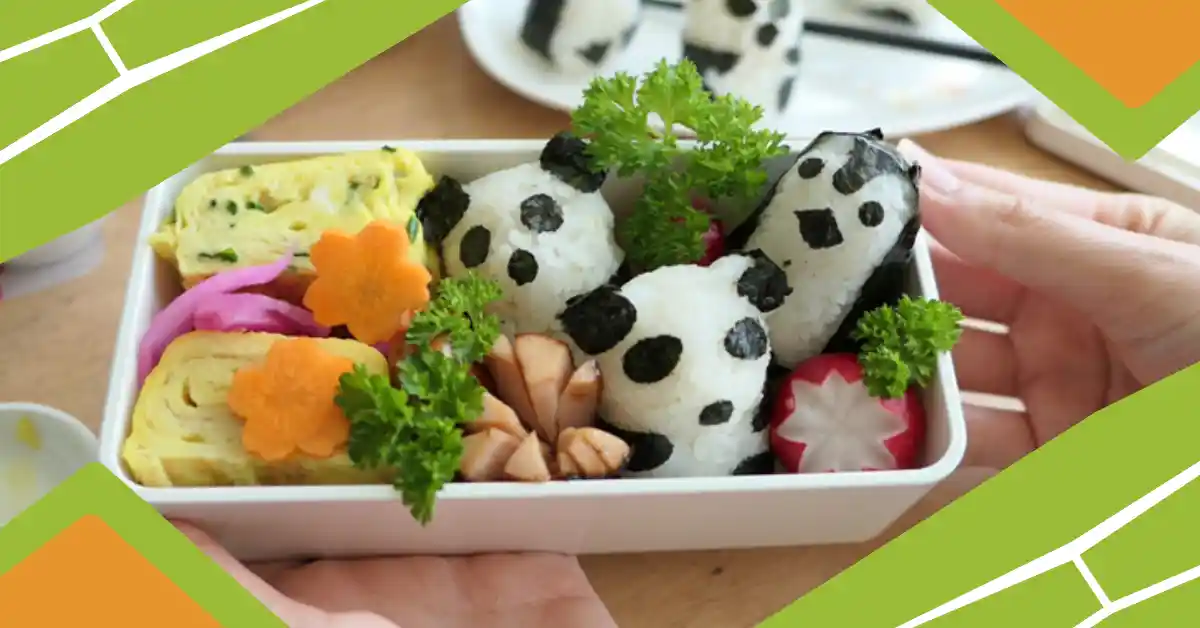
Japanese bento boxes are more than just packed lunches; they represent a beautifully balanced, culturally rich approach to eating that blends nutrition, aesthetics, and tradition into one compact meal. From school lunches in Tokyo to homemade creations shared on social media worldwide, bento boxes have become a global symbol of mindful eating and creative food presentation.
This article explores the origins, evolution, and modern appeal of bento culture, while also giving you inspiration for healthy and visually appealing lunch ideas rooted in Japanese tradition.
Origins and Cultural Significance of Bento in Japan
The history of bento dates back centuries, with early forms appearing during the Kamakura period (1185–1333), when cooked and dried rice called hoshi-ii was carried by travelers and warriors. Over time, this practical way of meal preparation evolved into a cultural staple that reflects Japanese values such as simplicity, seasonality, and balance.
In modern Japan, bento is deeply woven into daily life. Students bring them to school, workers carry them to offices, and families prepare them for picnics, train journeys, and special occasions. Each box is thoughtfully arranged, often with attention to color contrast, nutritional balance, and portion control.
When people talk about Japanese bento boxes, they are not only referring to food containers but to a culinary philosophy that emphasizes harmony between taste, health, and visual appeal.
Bento culture also reflects the Japanese concept of “ichiju-sansai,” meaning “one soup and three dishes,” which promotes a balanced meal structure. This idea has influenced how bentos are designed, ensuring they typically include carbohydrates, proteins, vegetables, and sometimes fruit.
Traditional Bento Components and Nutritional Balance
Traditional bento preparation focuses on simplicity and nutrition. A typical box is divided into sections, each holding a different food group that contributes to a balanced diet. While modern variations have become more creative, the core principles remain consistent.
A classic traditional bento often includes:
- Steamed white rice or mixed rice (takikomi gohan)
- Grilled or simmered protein such as fish, chicken, or tamagoyaki (Japanese omelet)
- Pickled vegetables like umeboshi (pickled plum) or tsukemono
- Seasonal vegetables, often lightly cooked or steamed
- Small fruit portions for natural sweetness
The arrangement is intentional. Rice usually occupies a large portion, while proteins and vegetables are neatly placed to create visual balance. This structure not only supports nutrition but also encourages portion control, which is a key aspect of Japanese dietary habits.
In addition to everyday meals, bento boxes are also used for special occasions such as cherry blossom viewing (hanami) and festivals. During these events, families often prepare elaborate meals with seasonal ingredients, highlighting freshness and celebration.
Traditional preparation methods emphasize minimal oil, gentle seasoning, and seasonal produce. This makes bento meals naturally aligned with healthy eating practices, which is one of the reasons they have gained popularity outside Japan.
The Rise of Cute Kawaii Bento (Character Bento Culture)
One of the most globally recognized trends in Japanese food culture is kyaraben (character bento), also known as kawaii or “cute” bento. This style transforms everyday meals into edible art, often depicting animals, cartoon characters, or imaginative designs using rice, seaweed, vegetables, and egg.
Parents often prepare kawaii bentos for children to make lunchtime more enjoyable and engaging. However, this trend has also expanded to adults, especially through social media platforms where food aesthetics are widely shared.
Common elements in kawaii bento design include:
- Rice shaped into animals, faces, or cartoon characters
- Nori (seaweed) used for facial features or outlines
- Colorful vegetables arranged to create contrast and vibrancy
- Creative use of molds and cutters for shaping food
- Decorative picks and separators for visual structure
While kawaii bento is playful, it still retains the core principles of nutrition and balance. Many creators carefully design these meals to ensure they are both visually appealing and nutritionally complete.
The rise of kawaii bento has also influenced global food trends, inspiring lunchbox ideas, café presentations, and even culinary workshops outside Japan. It demonstrates how food can be both nourishing and emotionally uplifting.
Healthy Modern Adaptations and Meal Prep Ideas
In recent years, bento culture has adapted to modern lifestyles, particularly for busy professionals, students, and health-conscious individuals. With the rise of meal prepping and wellness trends, bento-style eating has become a practical solution for maintaining a balanced diet on the go.
Modern bentos often incorporate international ingredients while preserving Japanese principles of balance and portion control. Brown rice, quinoa, grilled tofu, roasted vegetables, and lean proteins are commonly used in contemporary variations.
Here are some practical ideas for building a healthy bento-inspired meal:
- Use a protein base such as grilled salmon, tofu, or chicken breast
- Add fiber-rich vegetables like broccoli, carrots, or spinach
- Include a complex carbohydrate such as brown rice or sweet potato
- Add a small portion of fruit like berries or apple slices
- Keep sauces light, using soy sauce, sesame dressing, or miso-based flavors
One of the strengths of bento-style eating is its flexibility. It can be adapted to vegetarian, vegan, gluten-free, or low-carb diets without losing its core structure. The emphasis is always on balance rather than restriction.
Meal prepping in bento boxes also encourages mindful eating. Because portions are pre-arranged, it helps reduce overeating and food waste. Many people find that preparing lunches in advance saves time while supporting healthier eating habits throughout the week.
Additionally, bento containers themselves have evolved. Modern designs include insulated boxes, leak-proof compartments, and eco-friendly materials, making them more convenient for everyday use.
Why Bento Culture Continues to Inspire Globally
The global popularity of bento culture can be attributed to its unique combination of aesthetics, health benefits, and practicality. Unlike many Western lunch traditions, bento emphasizes harmony between nutrition and presentation, turning an ordinary meal into a mindful experience.
Social media platforms like Instagram and Pinterest have played a significant role in spreading bento inspiration worldwide. Food creators share visually stunning lunchboxes that encourage others to experiment with their own designs.
Another reason for its appeal is its adaptability. Whether someone is preparing meals for work, school, or travel, the bento format offers a structured yet flexible approach that suits modern lifestyles.
The philosophy behind bento also resonates with global wellness trends. As people become more conscious of what they eat, they are drawn to systems that promote balance, portion control, and natural ingredients, all core elements of Japanese culinary tradition.
Conclusion: The Timeless Appeal of Bento
From historical roots to modern social media trends, Japanese bento boxes continue to evolve while staying true to their cultural essence. They represent more than just a way to pack lunch; they embody a philosophy of balance, creativity, and mindful eating that has stood the test of time.
Whether it is a traditional homemade meal, a playful kawaii creation, or a modern healthy lunchbox, bento remains a powerful example of how food can nourish both the body and the mind. As global interest in wellness and food aesthetics continues to grow, bento culture is likely to remain a lasting source of inspiration for generations to come.
In essence, the enduring charm of Japanese bento boxes lies in their ability to turn everyday meals into something meaningful, beautiful, and deeply satisfying.