The Geisha Culture in Kyoto: History, Lifestyle, and Timeless Japanese Heritage
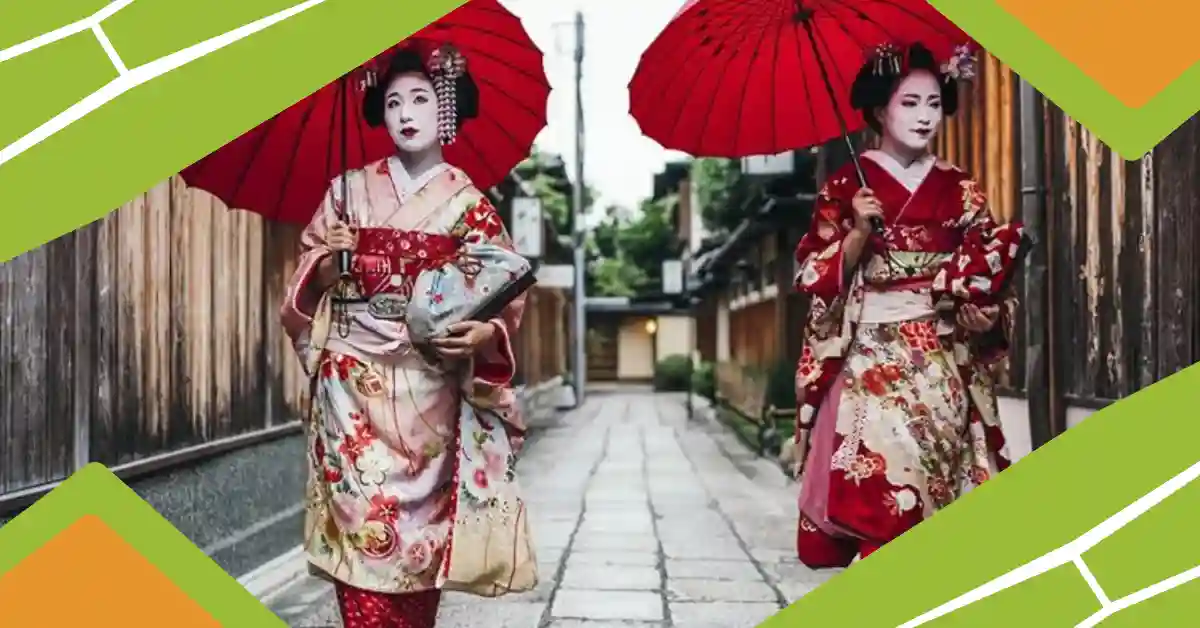
Geisha culture in Kyoto is one of Japan’s most captivating and enduring traditions, representing centuries of refined artistry, discipline, and cultural preservation. In Kyoto’s historic districts such as Gion and Pontocho, this living heritage continues to thrive quietly, offering a glimpse into a world where performance, etiquette, and elegance are deeply intertwined with Japanese identity.
Unlike modern entertainment industries, the geisha tradition is not merely about performance but about the mastery of classical arts, hospitality, and the subtle expression of beauty. Kyoto remains the heart of this tradition, where geiko (Kyoto dialect for geisha) and maiko (apprentices) still walk lantern-lit streets in kimono, preserving practices that date back hundreds of years.
Origins and Historical Evolution of Geisha in Kyoto
The roots of geisha in Kyoto can be traced back to the Edo period (1603–1868), when entertainment districts flourished around tea houses and merchant culture expanded. Initially, the role of female entertainers was not clearly defined, but over time, a distinct profession emerged, focused on music, dance, and refined conversation.
Kyoto, as the former imperial capital of Japan, played a crucial role in shaping this artistic profession. It became the birthplace of formalized geisha training, where strict apprenticeship systems and artistic disciplines were established. Over centuries, this evolved into what is now recognized globally as geisha culture in Kyoto, a symbol of Japanese elegance and cultural depth.
Several historical influences shaped this tradition:
- The rise of tea house entertainment culture in the Edo period
- The development of classical Japanese dance and shamisen music
- The patronage of wealthy merchants and aristocrats
- The preservation of Kyoto’s traditional wooden machiya districts
These elements combined to create a structured world where artistry was not only appreciated but meticulously preserved through generations.
Even today, Kyoto’s geisha districts maintain architectural and cultural continuity, allowing visitors to experience a living museum of Japanese tradition.
The Training, Discipline, and Lifestyle of Maiko and Geiko
The life of a geisha is often misunderstood as glamorous, but in reality it is rooted in years of rigorous training and discipline. In Kyoto, young apprentices known as maiko begin their journey typically in their early teens. They live in okiya (geisha houses), where they are mentored by senior geiko and trained in multiple traditional arts.
This stage of training includes mastery of classical dance, shamisen (a three-stringed instrument), tea ceremony etiquette, calligraphy, and the art of conversation. Every movement, gesture, and expression is carefully refined to reflect grace and restraint.
A key aspect of geisha culture in Kyoto is the structured progression from maiko to geiko. This transformation symbolizes maturity and independence within the profession. While maiko are known for their vibrant kimono, elaborate hairstyles, and ornate accessories, geiko adopt a more subdued and elegant appearance, reflecting their advanced status.
Daily life revolves around preparation, practice, and evening engagements at traditional tea houses called ochaya. These gatherings are highly exclusive and are centered on entertainment through dance, music, and conversation rather than modern performance styles.
Some defining aspects of their lifestyle include:
- Intensive daily practice of traditional arts
- Strict etiquette and behavioral codes
- Close mentorship within geisha houses
- Evening performances in exclusive cultural settings
Despite modernization, this lifestyle remains largely unchanged, preserving authenticity and continuity within Kyoto’s cultural landscape.
Geisha Culture in Kyoto Today: Preservation and Modern Relevance
In contemporary Japan, geisha culture in Kyoto continues to exist as a carefully preserved cultural institution. While the number of practicing geiko and maiko has decreased over time, efforts by local communities and cultural organizations ensure that this heritage remains alive and respected.
Kyoto’s geisha districts, particularly Gion, still host traditional performances and private gatherings. However, access is highly regulated to protect the privacy and integrity of the profession. This exclusivity is part of what maintains the cultural sanctity of geisha traditions.
Modern tourism has also played a role in shaping awareness. Visitors often explore Kyoto’s historic streets in hopes of glimpsing maiko or attending cultural performances. However, respectful tourism is essential, as geisha are professionals engaged in their work rather than public performers for casual interaction.
The preservation of geisha traditions is supported through:
- Cultural festivals showcasing traditional dance and music
- Apprenticeship systems maintained by okiya families
- Government and local heritage protection initiatives
- Educational programs promoting traditional arts
These efforts ensure that geisha culture in Kyoto is not reduced to a tourist attraction but remains a respected and living cultural practice.
At the same time, geiko and maiko adapt subtly to modern times while maintaining traditional boundaries. This balance between preservation and adaptation is what allows the culture to remain relevant without losing authenticity.
Artistic Expression and Timeless Japanese Aesthetics
At the heart of geisha culture lies a profound commitment to artistic expression. Every performance is a reflection of centuries-old Japanese aesthetics, where simplicity, subtlety, and emotional depth are highly valued.
Dance performances, known as “odori,” are not merely entertainment but symbolic storytelling. They often reflect seasonal changes, historical narratives, or poetic themes drawn from classical literature. Similarly, shamisen music provides a delicate yet powerful emotional backdrop that enhances the atmosphere of each gathering.
The visual presentation of geiko and maiko also reflects this aesthetic philosophy. Their kimono, hairstyles, and makeup are carefully designed to represent refinement and cultural symbolism rather than personal expression.
Key elements of this artistic tradition include:
- Seasonal kimono patterns reflecting nature’s cycles
- Minimalist yet expressive dance choreography
- Symbolic use of color and design in attire
- Integration of literature, poetry, and music in performances
Through these artistic practices, geisha culture in Kyoto becomes more than performance; it becomes a living expression of Japan’s philosophical relationship with beauty, time, and impermanence.
Cultural Significance and Global Appreciation
The global fascination with geisha culture stems from its uniqueness and depth. Unlike many cultural traditions that have faded or modernized beyond recognition, Kyoto’s geisha world remains remarkably intact.
For Japan, geisha represent cultural continuity and identity. They embody the values of discipline, respect, and artistic dedication. For international audiences, they offer a window into a refined and historical aspect of Japanese civilization that is rarely seen in modern media.
However, it is important to approach this culture with understanding rather than romanticized assumptions. Geisha are highly trained professionals, and their role is deeply embedded in cultural performance, hospitality, and tradition.
As global interest grows, geisha culture in Kyoto continues to inspire artists, historians, and travelers alike, serving as a reminder of the importance of preserving intangible cultural heritage in an increasingly modern world.
Conclusion: A Living Heritage of Elegance and Tradition
The enduring legacy of geisha culture in Kyoto stands as a testament to Japan’s dedication to preserving its artistic and cultural heritage. From its origins in the Edo period to its carefully maintained presence today, this tradition reflects a unique blend of discipline, beauty, and historical continuity.
In a rapidly changing world, Kyoto’s geisha districts remain one of the few places where centuries-old traditions are not only remembered but actively practiced. This makes geisha culture in Kyoto not just a historical curiosity, but a living, evolving expression of Japanese identity that continues to inspire admiration across the globe.
Through their art, discipline, and quiet elegance, geisha and maiko ensure that this timeless heritage will continue to be passed down, preserving the essence of Kyoto’s cultural soul for generations to come.
Also Read: Best Kyoto Festivals You’ll Want to Experience: Seasonal Events & Cultural Celebrations