Doma in Japanese Homes: Traditional Earthen Floor Space & Cultural Role Explained
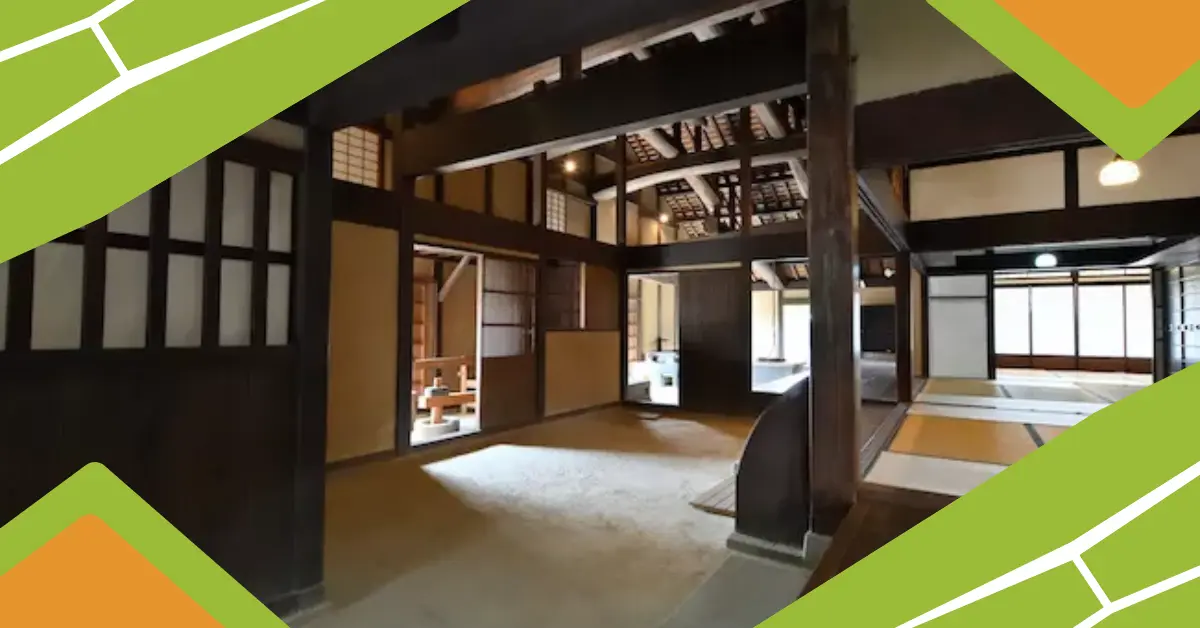
Doma is a defining element of traditional Japanese architecture, and the concept of Doma reflects how homes in Japan were historically designed to blend indoor and outdoor living seamlessly. Understanding Doma helps reveal how Japanese households evolved around climate, culture, and practical living needs.
Introduction to Doma in Japanese Architecture
In traditional Japanese homes, people design Doma as a compacted earthen floor area at the entrance or in a transitional space of the house. Unlike raised wooden interiors, builders intentionally leave this section unwooded and uncarpeted, creating a multifunctional zone where residents perform daily chores, store items, and move between indoor and outdoor spaces.
The presence of Doma is not just architectural it reflects a lifestyle shaped by practicality and social structure. In older rural homes, this space was essential for separating the clean living quarters from the more rugged outdoor environment.
Historical Roots of Doma
People trace the origin of Doma back centuries in rural Japan, where builders constructed homes using locally available materials such as wood, bamboo, and packed earth. In farming communities, residents used this earthen space as a working area where they processed crops, stored tools, and even cooked using traditional stoves.
In many traditional houses, Doma was the first area one would step into after entering through the main door. It acted as a buffer zone between the outside world and the elevated tatami rooms, reinforcing cleanliness and organization within the home.
As Japanese residential architecture evolved during the pre-modern era, Doma remained a consistent feature due to its practicality and cultural importance.
Architectural Design and Structure
The design of Doma is simple yet highly functional. It is usually constructed with compacted clay or soil mixed with hardening agents to create a durable surface. The floor is intentionally kept lower than the wooden interior sections, allowing a clear separation between functional and living spaces.
In many traditional homes, Doma extends along the entryway and sometimes continues toward the kitchen or workspace area. This layout helps manage foot traffic while maintaining hygiene inside the home.
The idea of Doma highlights the Japanese architectural principle of layering spaces according to cleanliness and purpose rather than rigid walls alone.
Functional Uses in Daily Life
Historically, Doma served multiple roles in everyday household life. It was commonly used for food preparation, tool maintenance, and storage of agricultural equipment. In rural settings, it also functioned as a place where family members could work while staying sheltered from weather conditions.
The versatility of Doma made it indispensable in traditional households, especially before modern flooring and utility rooms became common. Even today, some renovated traditional homes preserve this feature for its aesthetic and practical value.
Materials and Construction Techniques
The construction of Doma required careful selection of soil and layering techniques to ensure durability. Builders often used clay-rich earth mixed with gravel and water, compacted repeatedly to form a solid base.
In some regions, lime or ash was added to improve hardness and resistance to moisture. This method allowed the Doma surface to remain stable even under heavy use.
The craftsmanship involved in creating Doma reflects the broader Japanese architectural philosophy of working harmoniously with natural materials rather than replacing them entirely.
Doma in Modern Japanese Homes
Although modern housing in Japan has largely shifted toward concrete and wood flooring, Doma still appears in contemporary interpretations of traditional design. Architects often reintroduce Doma as a stylish entryway or transitional space in modern homes.
In urban settings, Doma is sometimes reimagined as a mudroom-like area where residents can remove shoes, store bicycles, or place plants. This adaptation shows how traditional concepts can evolve without losing cultural identity.
Modern homeowners appreciate Doma for its aesthetic simplicity and connection to heritage, making it a popular feature in renovated machiya townhouses and minimalist homes.
Cultural Significance of Doma
Beyond its physical function, Doma holds cultural meaning in Japanese living traditions. It represents the boundary between the “outside” and “inside,” reinforcing values of cleanliness, order, and respect for living spaces.
The presence of Doma also reflects the Japanese practice of removing shoes before entering interior rooms, a custom deeply embedded in daily life. This separation reinforces hygiene while also symbolizing a mental transition from public to private life.
In many ways, Doma embodies the philosophy of balance between nature and human habitation.
Regional Variations and Evolution
Across different regions of Japan, the design and use of Doma varied depending on climate and lifestyle. In colder areas, it was often smaller and more enclosed to retain warmth, while in agricultural regions it was larger to accommodate work activities.
As urbanization progressed, many homes reduced or eliminated Doma in favor of fully wooden or tiled floors. However, the concept continues to influence Japanese interior design, especially in spaces that prioritize simplicity and multifunctionality.
Influence on Contemporary Architecture
Modern architects continue to draw inspiration from Doma when designing homes that blend tradition with innovation. The idea of a transitional earthy space has influenced minimalist design trends, where natural textures and open layouts are emphasized.
By integrating elements of Doma, designers create homes that feel grounded and connected to nature, even in densely populated cities.
Conclusion
Doma remains an important architectural and cultural concept that reflects the evolution of Japanese housing traditions. From its origins in rural households to its reinterpretation in modern homes, Doma continues to symbolize practicality, cleanliness, and harmony with nature.
Even in contemporary architecture across Japan, the essence of Doma persists as a reminder of how traditional design can adapt to modern life while preserving cultural identity.
Also Read: Japanese Interior Design: Minimalist, Modern, and Traditional Styles for Every Home