Japanese Interior Design 2026: Minimalist, Modern, and Traditional Styles for Every Home
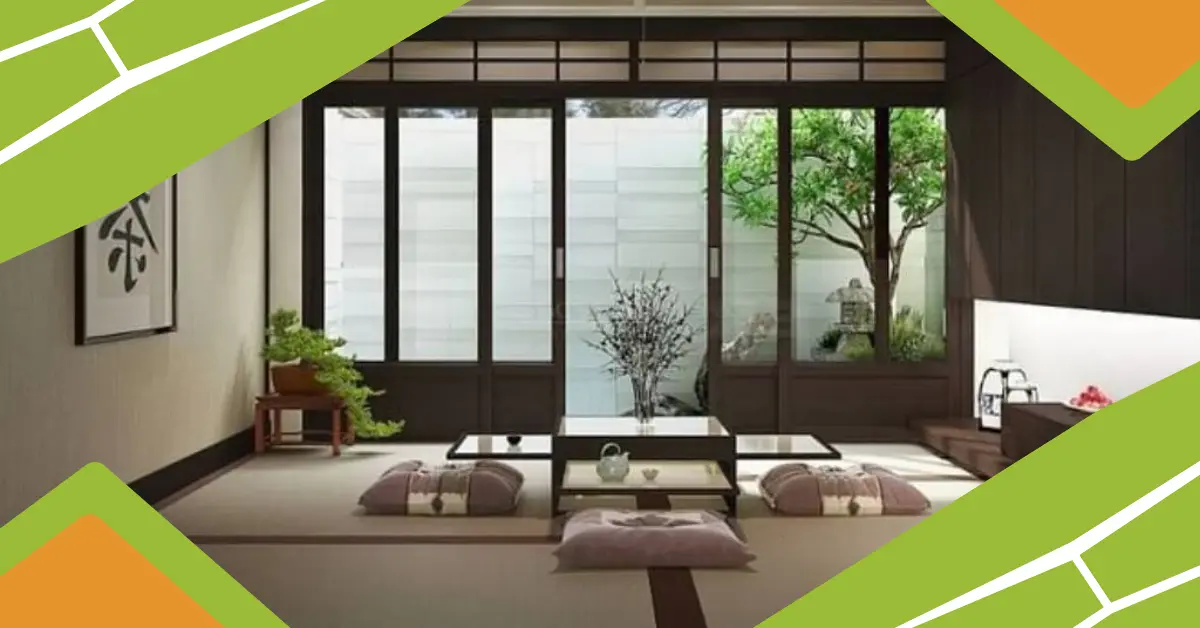
Japanese interior design has long been admired for its simplicity, elegance, and seamless integration with nature. As we move into 2026, homeowners and designers are increasingly blending traditional aesthetics with modern functionality, creating spaces that feel both serene and contemporary. From minimalist sanctuaries to sleek modern layouts, Japanese interior design continues to inspire interiors around the globe.
Embracing Minimalism: The Heart of Japanese Design
Minimalism is perhaps the most defining characteristic of Japanese interior design. Rooted in Zen philosophy, it emphasizes simplicity, clean lines, and uncluttered spaces. In 2026, minimalist interiors are evolving to balance functionality and serenity. Furniture is carefully selected to serve multiple purposes, while storage solutions are integrated seamlessly to reduce visual clutter.
Natural materials such as wood, bamboo, and stone remain central to the aesthetic, bringing warmth and tactile appeal to minimalist homes. Light-colored walls, neutral tones, and abundant natural light create an airy atmosphere, reflecting the Japanese principle of ma the appreciation of empty space. This approach not only enhances the beauty of a room but also promotes mindfulness and calm, making homes feel like sanctuaries in today’s fast-paced world.
Modern Japanese Interiors: Innovation Meets Tradition
While traditional elements remain beloved, modern Japanese interior design in 2026 embraces innovation without losing its cultural roots. Modern homes often incorporate open-plan layouts that encourage flow between spaces, while blending contemporary materials like glass, metal, and concrete with traditional wood finishes.
Technology plays a subtle yet significant role. Smart home features, energy-efficient lighting, and modular furniture systems integrate seamlessly, maintaining the clean lines and uncluttered feel central to Japanese interiors. For example, sliding doors known as fusuma have been reimagined with translucent materials or embedded with lighting to enhance ambiance. This marriage of old and new creates spaces that are both practical and aesthetically pleasing, appealing to homeowners seeking a balance of comfort and sophistication.
Traditional Japanese Interiors: Timeless Elegance
Traditional Japanese interiors remain a source of inspiration for those who value heritage and craftsmanship. Tatami mats, shoji screens, and low wooden furniture evoke a sense of history and cultural identity. These elements are often paired with natural materials and subtle decorative accents, such as handcrafted ceramics or calligraphy art, to create spaces that feel authentically Japanese.
In 2026, traditional design is being adapted for modern living. Tatami rooms may now serve as flexible spaces for work, relaxation, or entertaining guests. The use of natural light, sliding partitions, and indoor gardens ensures these spaces remain functional while preserving their serene ambiance. Homeowners who integrate traditional Japanese elements often find a unique blend of comfort, beauty, and cultural continuity in their interiors.
Nature-Inspired Aesthetics: Bringing the Outdoors In
A central philosophy of Japanese interior design is the connection to nature. Interior spaces are designed to harmonize with the surrounding environment, whether through large windows, indoor plants, or natural materials. In 2026, this connection is emphasized even further, with biophilic design elements becoming increasingly popular.
Indoor gardens, moss walls, and bonsai arrangements create a sense of tranquility and reinforce the natural aesthetic. Water features, such as small indoor fountains, add a calming auditory dimension. Even subtle details, like using natural stone countertops or wooden beams, contribute to a holistic experience that resonates with the timeless Japanese appreciation for nature.
Color Palettes and Materials in Japanese Interiors 2026
Japanese interior design typically favors neutral and earthy tones, creating a soothing environment. Whites, beiges, soft browns, and muted greens dominate modern interpretations, while traditional spaces may feature darker wood tones and subtle patterns inspired by nature.
Materials play an equally important role. Sustainable choices are increasingly popular, including bamboo flooring, reclaimed wood, and eco-friendly fabrics. Textures are carefully considered, with natural fibers like linen, cotton, and wool adding warmth and depth to minimalist and modern spaces alike. The thoughtful combination of colors and materials ensures that every Japanese-inspired interior feels cohesive, calming, and visually pleasing.
Lighting and Space Planning: Enhancing Calm and Functionality
Lighting is a subtle yet powerful aspect of Japanese interior design. In 2026, designers focus on creating layers of light that enhance mood and functionality. Large windows and skylights allow natural light to flood interiors, while soft, indirect lighting creates warmth in the evenings. Lantern-style fixtures, recessed lighting, and minimalist pendant lamps are commonly used to achieve this balance.
Space planning also reflects Japanese design principles. Open layouts, low furniture, and multi-purpose rooms enhance the feeling of spaciousness. The careful placement of furniture ensures that movement is unobstructed, echoing the Zen ideal of uncluttered, harmonious spaces.
Personalizing Japanese Interiors: Blending Styles
One of the most appealing aspects of Japanese interior design is its adaptability. Homeowners can blend minimalist, modern, and traditional elements to reflect their personal tastes while maintaining a cohesive aesthetic. For instance, a living room might feature a low modern sofa paired with a traditional shoji screen, or a bedroom may combine tatami mats with sleek, contemporary lighting.
Personal touches, such as artwork, ceramics, and textiles, allow residents to add character without compromising the core principles of simplicity, balance, and natural beauty. This flexibility ensures that Japanese interior design remains relevant and inspiring, regardless of changing trends or technological advancements.
Conclusion: Japanese Interior Design for Every Home in 2026
Japanese interior design in 2026 offers a rich palette of possibilities for homeowners seeking calm, beauty, and functionality. Whether embracing minimalist serenity, modern innovation, or traditional elegance, the principles of simplicity, natural harmony, and thoughtful detail remain central.
By incorporating neutral color palettes, sustainable materials, and a strong connection to nature, homeowners can create spaces that feel timeless and peaceful. The combination of flexibility, cultural authenticity, and modern convenience ensures that Japanese interior design continues to inspire interiors across the world, offering a blueprint for homes that are both beautiful and deeply livable.
Japanese-inspired interiors are not just a design choice they are a lifestyle statement, reflecting mindfulness, balance, and a commitment to creating spaces that nourish the soul. As 2026 unfolds, the blend of old and new, tradition and modernity, ensures that every home can benefit from the enduring allure of Japanese interior design.