Navy Curry Culture in Japan: The Surprising Story Behind a Beloved Weekly Tradition
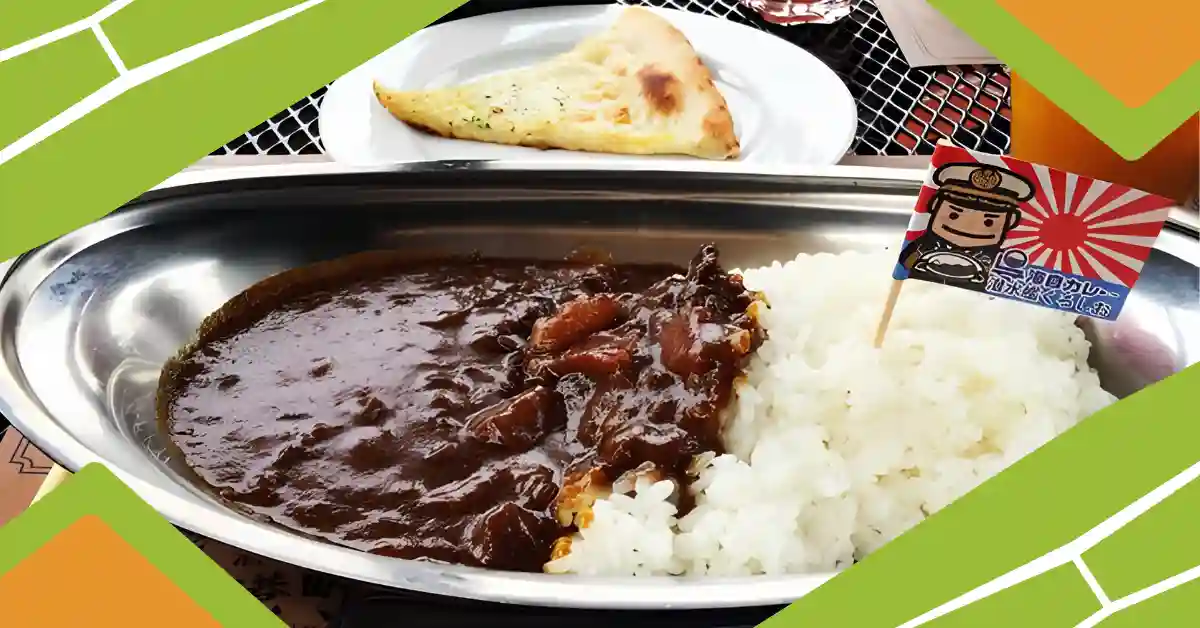
Navy curry culture in Japan is more than just a meal tradition; it is a unique historical practice that blends naval discipline, comfort food, and national identity into one iconic weekly ritual that continues to thrive today.
The Origins of Japan’s Naval Curry Tradition
The story of Japan’s naval curry tradition begins in the late 19th century during the modernization of the country’s military forces. As Japan rapidly expanded its maritime capabilities, it drew inspiration from Western navies, particularly the British Royal Navy, which had already adopted curry-based dishes as a practical and nutritious meal for sailors at sea.
Within the context of the Imperial Japanese Navy, curry rice known today as curry rice became an essential part of the naval diet. Sailors spent long periods at sea with limited access to fresh ingredients, and curry offered a rare combination of simplicity, nutrition, and adaptability. It could be prepared in large quantities, preserved relatively well, and adjusted based on available ingredients.
Over time, curry was not just a meal; it became a structured part of naval life. Each ship had its own variation, and crews often took pride in their specific recipes. This culinary consistency also served a functional purpose: curry’s familiar flavor helped sailors maintain a sense of routine while at sea, where time and environment were often unpredictable.
During the era of the Imperial Japanese Navy, curry gradually evolved into a symbolic dish, representing both modern naval efficiency and cultural adaptation. What began as a borrowed idea eventually became a distinctly Japanese tradition that would outlive the navy that first adopted it.
How the Japan Maritime Self-Defense Force Preserved the Tradition
After World War II, Japan’s naval forces were reorganized into the modern Japan Maritime Self-Defense Force. Although the structure, mission, and political context changed significantly, one culinary tradition remained intact: curry served every Friday.
This weekly ritual was introduced as a way to create a stable rhythm for sailors who often lose track of days while deployed at sea. By serving curry on Fridays, crews could maintain a shared sense of time, even when operating far from land for extended periods. The tradition also provided psychological comfort, as familiar meals are known to reduce stress in isolated environments.
Each vessel in the fleet developed its own signature version of curry, and over time, these recipes became part of naval identity. Some ships emphasize sweetness with grated apples, while others prefer a richer, spicier profile. Despite these differences, the core idea remains the same: curry is a unifying dish that connects sailors across generations.
Interestingly, this tradition is not just limited to active duty ships. Even training bases and shore facilities follow the same weekly routine. The consistency of this practice has helped reinforce discipline while also building camaraderie among personnel.
Today, visitors to naval museums and open base events often have the opportunity to taste authentic naval curry. These public events have helped transform what was once a closed military tradition into a cultural experience shared with civilians.
Yokosuka: The Heart of Japan’s Curry Identity
No city is more closely associated with Japan’s naval curry tradition than Yokosuka. Located in Kanagawa Prefecture, Yokosuka has long been a strategic maritime hub. The presence of the Yokosuka and the nearby Yokosuka Naval Base has made it the symbolic center of naval life in Japan.
Here, curry is not just a military meal, it is a cultural identity. The city has embraced its naval heritage by promoting curry-themed tourism, restaurants, and festivals. Many local establishments proudly claim to replicate authentic ship-style recipes, attracting both domestic visitors and international tourists.
Walking through Yokosuka, it is common to see curry-themed menus inspired by different naval vessels. Each version tells a story, reflecting the diverse culinary approaches developed aboard ships over decades. This connection between food and history has transformed the city into a living museum of naval culture.
The popularity of curry in Yokosuka has also extended into civilian life. Schools, restaurants, and households in the region often prepare curry on Fridays, mirroring the naval schedule. This blending of military tradition and everyday culture has made curry more than just food it is a shared weekly experience.
The Meaning Behind the Weekly Curry Ritual
At its core, the weekly curry tradition is about rhythm, identity, and emotional grounding. Life at sea is often repetitive and physically demanding, and structured routines play a crucial role in maintaining morale. Curry day provides something sailors can anticipate, regardless of weather conditions, mission length, or operational stress.
This is where navy curry culture becomes especially meaningful. It is not simply about taste; it is about continuity. When sailors gather to eat curry every Friday, they are participating in a ritual that connects them not only to their shipmates but also to decades of naval history.
The dish itself reflects adaptability. While it maintains a familiar base, it allows for variation depending on available ingredients and regional influences. This flexibility mirrors the nature of naval life, where adaptation is essential for survival and efficiency.
Beyond the military, this tradition has also become a symbol of how food can preserve history. In Japan, naval curry is now recognized as a cultural heritage dish, bridging the gap between past and present in a way that few other traditions have achieved.
From Ship Kitchens to Japanese Pop Culture
In recent decades, naval curry has moved beyond military bases and into mainstream Japanese culture. Restaurants across the country now serve “navy-style curry,” often inspired by specific ships or regions. These commercial adaptations have helped spread awareness of naval history in a way that is both accessible and enjoyable.
Television programs, documentaries, and food festivals frequently highlight the tradition, reinforcing its place in Japan’s culinary identity. Even within popular media, curry is often used as a symbol of comfort, teamwork, and nostalgia.
This cultural expansion has also influenced how younger generations perceive the navy. Rather than viewing it solely as a defense institution, many people now associate it with tradition, discipline, and shared meals. Food has become a bridge between military heritage and civilian appreciation.
The continued popularity of curry also reflects Japan’s broader relationship with food culture. Dishes are often more than nourishment; they are storytelling tools that carry historical and emotional meaning. In this sense, naval curry stands as a perfect example of how cuisine can preserve institutional memory.
Conclusion: A Tradition That Continues to Evolve
What began as a practical solution for feeding sailors has evolved into one of Japan’s most enduring cultural traditions. From its roots in the Imperial Japanese Navy to its modern presence in the Japan Maritime Self-Defense Force, curry has remained a constant symbol of unity and routine.
Cities like Yokosuka continue to celebrate this legacy, turning a military meal into a cultural landmark that attracts visitors from around the world. Meanwhile, ships at sea still gather every Friday to share the same comforting dish, reinforcing bonds that go beyond rank and duty.
In the end, navy curry culture represents more than just food; it is a living tradition that connects history, identity, and everyday life in Japan. And as long as sailors continue to serve at sea, this weekly ritual will remain a powerful reminder of continuity, comfort, and shared purpose.
As Japan moves further into the future, naval curry will likely continue to evolve, but its meaning will remain unchanged. It stands as a flavorful reminder that even in the most disciplined environments, tradition can bring warmth, connection, and a sense of home.
Also Read: Washoku Japanese Cuisine: History, Traditions, and Healthy Balanced Food Culture