How Japanese People Spend Weekends in 2026: The Surprising Truth Nobody Talks About
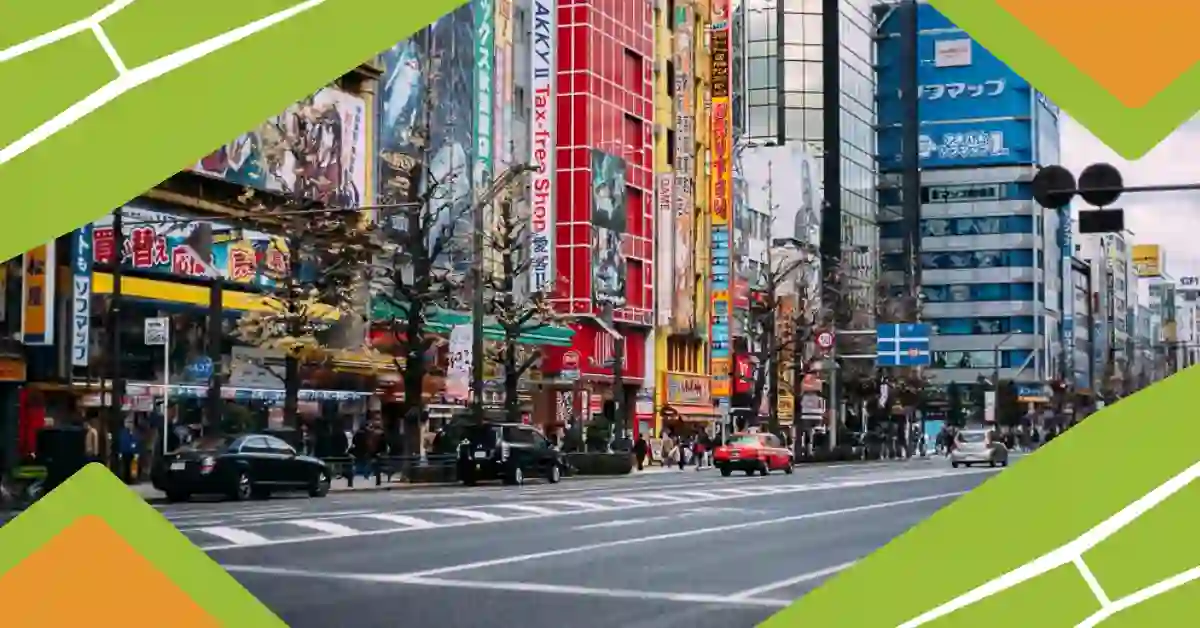
If you search for “how Japanese people spend weekends,” you’ll find the same recycled ideas: cherry blossoms, crowded train rides, themed cafés, and quiet home life. But the reality in 2026 is far more layered, shaped by remote work culture, rising living costs, shifting social habits, and a quiet cultural evolution that most articles miss entirely.
The truth is simple: weekends in modern Japan are no longer defined by tradition alone; they are increasingly defined by recovery, micro-experiences, and hyper-local living. And that shift is changing how millions of people in Japan actually spend their free time.
Let’s break down what weekends really look like in 2026 and why the reality might surprise you.
The End of the “Perfect Weekend” Myth
For years, international content painted Japanese weekends as structured and aesthetically perfect: temple visits, family gatherings, seasonal festivals, and polished city outings in places like Tokyo.
In 2026, that image is outdated.
Most urban residents now describe weekends less as curated experiences and more as “recovery windows.” The modern workweek often blending hybrid schedules, long commuting hours, and digital fatigue has reshaped expectations. Instead of planning elaborate outings, people prioritize mental reset.
That means:
- Sleeping in without guilt
- Catching up on errands
- Ordering food instead of cooking
- Spending long stretches indoors without social pressure
The “perfect weekend” hasn’t disappeared but it has been replaced by something more realistic.
The Rise of “Micro-Outings”
One of the biggest shifts in Japanese weekend culture is the rise of micro-outings, short, low-effort activities that last between 30 minutes and 2 hours.
Instead of full-day trips, people increasingly prefer:
- Visiting a nearby bakery or specialty café
- Walking through local parks
- Browsing convenience store seasonal releases
- Quick visits to shopping arcades
This trend is especially strong in dense urban areas like Tokyo and Osaka, where travel fatigue is a real factor. Even in culturally rich cities such as Kyoto, locals are increasingly avoiding crowded tourist-heavy zones on weekends, opting instead for quiet residential neighborhoods and lesser-known shrines.
The surprising truth? Japanese weekends are becoming smaller in scale but richer in personalization.
Home-Centered Living Is the New Normal
Contrary to the “always-outside” stereotype, a significant portion of weekend time in 2026 is spent at home. But this isn’t passive boredom, it’s curated comfort.
Modern Japanese homes have become lifestyle hubs:
- Streaming international and domestic dramas
- Gaming (especially mobile and console RPGs)
- Cooking simple, high-quality meals
- Deep cleaning and home organization rituals
The rise of remote work has also blurred the line between weekdays and weekends. Many people now treat weekends as “life administration time” rather than social time.
This shift is especially visible among people in their 20s and 30s, who increasingly value solitude and low-stimulation environments after intense weekday schedules.
The “Solo Weekend” Is No Longer Unusual
One of the most misunderstood aspects of modern Japanese culture is the normalization of solo leisure.
In 2026, spending a weekend alone is not seen as unusual, it is often preferred.
Common solo weekend activities include:
- Solo dining (especially ramen, sushi counters, and cafés)
- Solo cinema visits during off-peak hours
- Solo travel within the same prefecture
- Visiting bookstores and large retail complexes
This is not loneliness, it is intentional independence. The idea of “hitori time” (time alone) has become a respected form of self-care rather than a social deficit.
The shift reflects a broader cultural acceptance that rest does not require social validation.
Digital Entertainment Now Dominates Weekend Leisure
Another overlooked reality: digital consumption is now central to Japanese weekends.
While traditional media still exists, weekends in 2026 are heavily shaped by:
- Streaming platforms
- Short-form video content
- Online gaming communities
- Virtual events and concerts
Younger generations especially treat weekends as a chance to disconnect from workplace identity and reconnect with digital communities that feel more flexible and global.
Interestingly, even older demographics are adopting streaming services at higher rates than expected, reducing the need for physical outings.
The Quiet Decline of Over-Planned Socializing
In previous decades, weekends in Japan were often associated with group coordination company outings, friend meetups, and family gatherings.
In 2026, that model is weakening.
The reasons include:
- Busier and less predictable work schedules
- Higher cost of living in urban centers
- Increased preference for flexibility over obligation
- Social fatigue after digital communication during the week
Instead of fixed plans, people now prefer “soft arrangements”:
- “Let’s see how we feel on Saturday”
- “Maybe we’ll meet if we’re free”
- Last-minute invitations via messaging apps
This shift has made weekends feel less structured but more adaptable.
Nature Escapes Are Still Important but More Selective
Despite urbanization, nature remains a strong weekend attraction. However, the way people engage with nature has changed.
Rather than long hiking trips or multi-hour journeys, people now prefer:
- Short train rides to nearby green spaces
- Coastal walks
- Small camping experiences with minimal gear
- Day trips instead of overnight stays
Even in densely populated regions around Japan, there is a growing desire to “touch nature briefly” rather than immerse in it for extended periods.
The key difference in 2026 is efficiency: nature is no longer an escape from life, but a quick recharge within it.
Convenience Culture Is Quietly Reshaping Weekends
One of the most defining features of Japanese weekends today is the dominance of convenience infrastructure.
Weekend life is heavily supported by:
- Convenience stores offering seasonal gourmet meals
- Automated delivery systems
- 24/7 retail options
- On-demand services for cleaning, food, and errands
This infrastructure reduces the need for time-consuming planning. As a result, weekends become more fluid and less stressful.
The surprising impact? People feel more “rested” even when they are not particularly active because mental load is reduced.
Why Japanese Weekends in 2026 Feel So Different
When you zoom out, a clear pattern emerges.
Japanese weekends today are shaped by three major forces:
- Energy conservation over social performance
- Flexibility over structure
- Local micro-experiences over long-distance travel
This is a quiet cultural shift that doesn’t always show up in travel blogs or social media highlights. But it is deeply embedded in everyday life.
The romanticized version of Japanese weekends still exists but mostly for special occasions, holidays, or tourism experiences. The everyday reality is far more understated.
Final Thoughts: The Real Surprising Truth
The biggest misconception about Japanese weekends is that they are visually dramatic or highly ritualized. In 2026, the reality is often the opposite. Weekends are typically quiet rather than crowded, with many people choosing low-energy environments at home or in familiar neighborhoods instead of busy attractions or highly social settings. The focus has shifted away from curated experiences toward simple comfort and mental rest.
They are also increasingly local rather than distant, flexible rather than scheduled, and rest-focused rather than activity-driven. Instead of carefully planned trips or packed itineraries, people often opt for nearby cafés, short walks, or staying in and recharging. In modern life in Japan, the goal is no longer to maximize every moment of the weekend, but to make it feel easier, lighter, and less demanding than the week that came before it.