Japan Etiquette Mistakes Tourists Always Make (And How to Avoid Them)
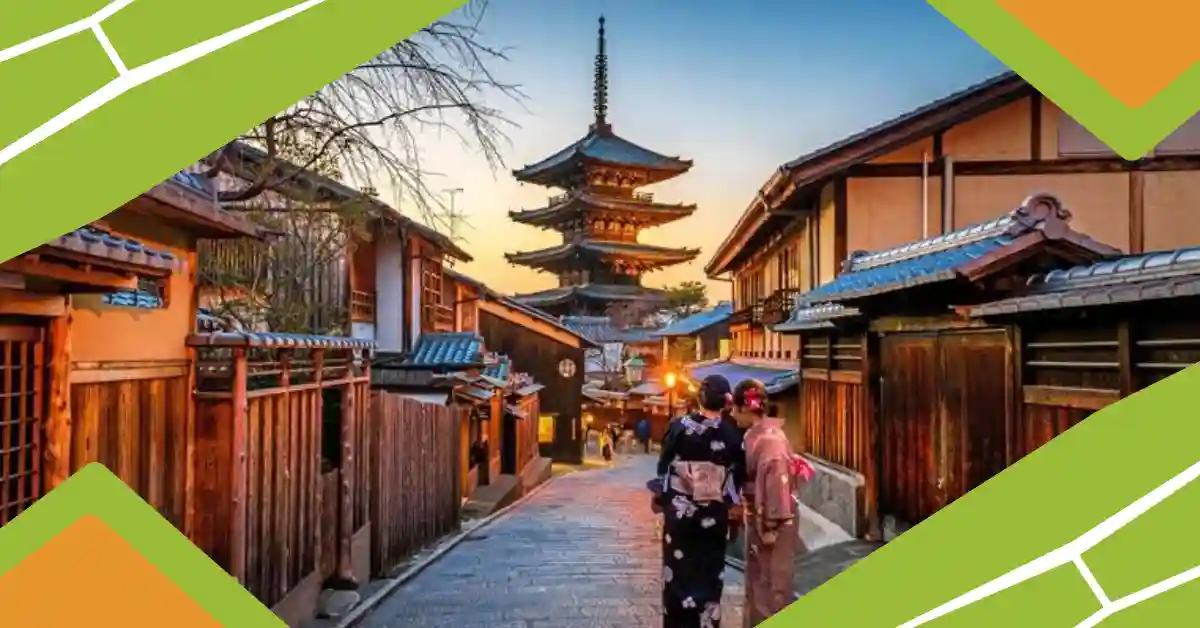
Japan etiquette mistakes are often the reason many tourists unintentionally stand out in Japan, even when they are trying their best to be respectful. Understanding cultural expectations in advance can transform a trip from awkward misunderstandings into smooth, enriching travel experiences. Whether you’re exploring the neon streets of Tokyo, the historic charm of Kyoto, or the vibrant energy of Osaka, small habits matter more than most visitors realize.
What makes Japan unique is not just its advanced infrastructure or iconic food culture, but its deeply rooted social etiquette shaped by harmony, respect, and consideration for others. Tourists rarely intend to be disrespectful, but subtle actions like speaking too loudly on public transport or misunderstanding restaurant customs can easily lead to cultural friction. The good news is that most of these mistakes are simple to fix once you understand the reasoning behind them.
Understanding Public Behavior: Quiet Respect in Shared Spaces
One of the most noticeable cultural differences visitors encounter in Japan is the expectation of quietness and awareness in public spaces. Streets, trains, and even elevators are generally calm compared to many Western countries. This isn’t about strict rules, it’s about maintaining a shared sense of comfort.
In cities like Tokyo, where millions of people commute daily, silence on public transport is considered respectful. Phone conversations are typically avoided, and even music is played through headphones at low volume. Tourists often unknowingly disrupt this balance by speaking loudly in groups or taking calls on trains. While it may feel harmless, it draws attention in a culture that values subtlety.
Another common issue involves walking etiquette. In busy pedestrian areas, especially in places like Shibuya or Osaka’s Namba district, people tend to move predictably and avoid blocking pathways. Stopping abruptly in the middle of a sidewalk to take photos or check directions can cause inconvenience, even if no one says anything.
It’s also important to be mindful of noise in shared accommodations and public areas. Hotels and capsule stays are designed for efficiency and quiet coexistence, so even small disturbances can feel amplified. The key takeaway is simple: observe the rhythm of those around you and match it rather than dominate the space.
Dining Etiquette: More Than Just Chopsticks and Rules
Food culture in Japan is not only about taste but also about presentation, gratitude, and respect for the dining experience. Visitors often assume that dining etiquette is flexible, but subtle expectations can shape how locals perceive politeness.
One of the most misunderstood aspects is chopstick usage. Pointing with chopsticks, sticking them upright into rice, or passing food directly between chopsticks are behaviors that can be associated with funerary rituals and are therefore avoided. While mistakes are usually forgiven for tourists, they can still create uncomfortable impressions.
Another overlooked detail is the concept of “itadakimasu” and “gochisousama,” expressions of gratitude before and after meals. These are not just phrases but cultural acknowledgments of appreciation for the food, preparation, and effort behind it. Even simple participation in these customs is often warmly received.
In casual dining spaces like ramen shops or izakaya, efficiency and consideration are key. For example, lingering too long at a busy counter during peak hours may be seen as inconsiderate, even if not directly communicated. Similarly, tipping is not customary in Japan and can sometimes cause confusion or awkwardness because excellent service is already expected as part of professional pride.
This is where the broader idea of respect in dining culture becomes clear: it’s not about rigid rules but about being aware of the collective experience.
At this stage, many travelers begin to realize that Japan etiquette mistakes are rarely about major offenses, but rather about small misalignments in behavior that accumulate in subtle ways.
Temples, Shrines, and Transportation: Where Tradition Meets Modern Life
A visit to Japan is incomplete without experiencing its spiritual and historical spaces, particularly temples and shrines. These locations are not just tourist attractions; they are active places of worship and reflection. Understanding this distinction helps visitors behave appropriately.
When entering sacred areas, it is important to move with calmness and avoid loud conversations. At shrine entrances, you may notice purification fountains where visitors wash their hands and mouth before proceeding. This ritual is not mandatory for tourists, but observing and respectfully following it when appropriate shows cultural awareness.
Photography is another area where visitors often make mistakes. While many temples allow photos, some restrict it in specific zones. Ignoring signage or taking intrusive photos during rituals can be seen as disrespectful to worshippers.
Transportation etiquette is equally important, especially when using systems like the Shinkansen. The bullet train is known for its efficiency and quiet environment. Passengers are expected to keep conversations low, avoid phone calls, and store luggage properly without obstructing aisles. Eating is generally acceptable on long-distance trains, but strong-smelling food is discouraged.
Even boarding behavior reflects cultural order. Passengers line up neatly, wait for others to exit before entering, and move with calm precision. These patterns are not enforced through strict rules but through collective social understanding.
Tourists who adapt to this rhythm often find that traveling becomes smoother and more enjoyable. Instead of feeling restricted, many discover that this structure creates a surprisingly relaxing environment.
The Subtle Logic Behind Japanese Etiquette
To truly understand cultural expectations, it helps to look beyond surface-level rules. Much of etiquette in Japan is based on the idea of minimizing inconvenience to others. This principle explains why quiet behavior is valued in public, why dining customs emphasize appreciation, and why transportation systems operate with such precision.
For example, even something as simple as standing to one side on escalators left or right depending on the region reflects a collective agreement to keep movement efficient. In Kyoto, the tradition differs slightly from Tokyo, showing how even within the same country, customs can vary subtly.
Tourists sometimes misinterpret these expectations as strict or overly formal, but they are better understood as expressions of social harmony. Once this mindset is adopted, many of the so-called mistakes naturally disappear.
The more travelers observe rather than assume, the easier it becomes to adapt. Instead of memorizing endless rules, noticing how locals behave provides the most reliable guide.
Final Thoughts: Traveling with Awareness and Respect
Avoiding cultural missteps in Japan is not about perfection, it’s about awareness. Most locals do not expect tourists to know every detail of etiquette, but they do appreciate visible effort and respect for shared spaces.
Whether you are exploring modern districts in Tokyo, historical streets in Kyoto, or lively neighborhoods in Osaka, the same principle applies: observe, adapt, and be considerate. The smallest actions often carry the most meaning in daily interactions.
Ultimately, understanding cultural expectations turns travel into something deeper than sightseeing. It becomes a form of connection where visitors not only see a country but also participate in its rhythm. By being mindful of these patterns, travelers can avoid common misunderstandings and experience Japan in a way that feels both respectful and genuinely rewarding.
Also Read: The Role of Etiquette in Japan: Why Politeness Shapes Everyday Life