The Role of Etiquette in Japan: Why Politeness Shapes Everyday Life
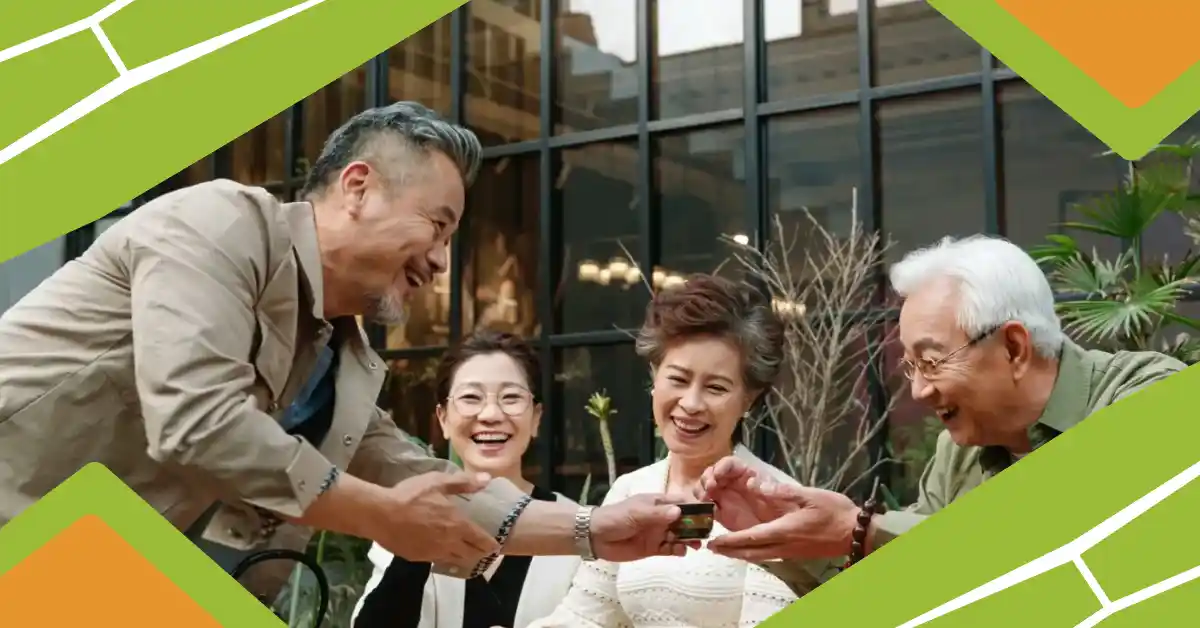
The role of etiquette in Japan is deeply embedded in everyday behavior, shaping how people interact at home, in public, and in professional environments. In Japan, politeness is not just a social expectation but a cultural framework that influences communication, respect, and harmony across all levels of society. Understanding this system of etiquette is essential for anyone seeking to grasp Japanese culture in a meaningful way.
From subtle gestures like bowing to structured forms of speech, etiquette in Japan reflects values that prioritize group harmony over individual expression. These customs are not outdated traditions; instead, they continue to guide modern life in cities like Tokyo and Osaka, as well as in rural communities.
Cultural Foundations of Japanese Etiquette
Japanese etiquette has been shaped over centuries by a blend of Shinto beliefs, Confucian philosophy, and historical social structures. At its core, it emphasizes respect, humility, and awareness of others. These values are not merely taught in formal settings but are absorbed through observation and daily practice from a young age.
One of the most important concepts is wa (和), meaning harmony. Maintaining harmony in social situations often requires individuals to suppress personal desires in favor of group stability. This principle influences everything from how people speak to how they behave in shared spaces.
Another foundational idea is enryo (遠慮), or restraint. It encourages individuals to avoid imposing on others, whether physically, emotionally, or socially. This is why silence in public transport or indirect communication styles are so common in Japanese society.
In this context, the role of etiquette in Japan becomes a guiding force that ensures society functions smoothly with minimal conflict or disruption.
Everyday Expressions of Politeness
Etiquette in Japan is highly visible in everyday interactions, even in the smallest actions. Greetings, apologies, and expressions of gratitude all follow specific patterns that reflect respect and awareness of social hierarchy.
Bowing is perhaps the most recognizable form of etiquette. The depth and duration of a bow can vary depending on the relationship between individuals and the context of the interaction. A slight nod may be used casually, while a deeper bow signals formal respect or apology.
Language also plays a critical role. Japanese has multiple levels of politeness, known as keigo, which includes honorific, humble, and polite forms of speech. Choosing the correct level of language demonstrates awareness of social roles and relationships.
Even gift-giving follows strict etiquette. Gifts are often wrapped carefully, and the act of giving is more significant than the gift itself. Refusing a gift immediately is also considered polite in some situations, as it shows humility.
These everyday practices reinforce social cohesion and demonstrate how deeply etiquette is woven into communication.
Etiquette in Public Spaces and Transportation
Public behavior in Japan is another area where etiquette is especially important. Trains, buses, parks, and streets all operate under unspoken rules that maintain order and consideration for others.
For example, speaking loudly on public transportation is generally avoided. Mobile phone conversations are discouraged, and passengers are expected to keep their voices low. This helps maintain a calm and respectful environment for everyone.
Queueing is another essential aspect of public etiquette. Whether waiting for a train or entering a store, people form orderly lines without needing enforcement. This reflects a shared understanding of fairness and patience.
Waste disposal is also highly regulated in daily life. Many public areas have limited trash bins, so individuals are expected to take their waste home and sort it properly. This reinforces responsibility and cleanliness in shared environments.
Together, these practices show how etiquette supports order in densely populated urban settings.
Workplace Etiquette and Professional Conduct
In professional environments, etiquette plays an even more structured role. The workplace in Japan is known for its hierarchy, discipline, and emphasis on collective responsibility.
Employees are expected to show respect to senior colleagues through both language and behavior. Meetings often begin with formal greetings, and seating arrangements may reflect rank within the company. Punctuality is considered a basic requirement, and being late is seen as a serious sign of disrespect.
Business card exchange, or meishi koukan, is a highly ritualized practice. Cards are presented and received with both hands, followed by careful examination. This simple act symbolizes mutual respect and sets the tone for professional relationships.
In this setting, the role of etiquette in Japan becomes especially significant, as it helps maintain clear communication, hierarchy, and trust within organizations. Without these shared norms, workplace relationships would become far more informal and potentially chaotic.
Social Harmony and Modern Relevance
Although Japan is a highly modern and technologically advanced society, traditional etiquette continues to influence daily life. Even younger generations, who are more exposed to global culture, still follow many of these customs, particularly in formal or public settings.
The importance of politeness is also reflected in media, education, and parenting. Children are taught early on to respect others, use polite language, and be mindful of their surroundings. Schools often emphasize group activities to reinforce cooperation and responsibility.
Interestingly, digital communication in Japan also reflects these values. Emails and messages in professional contexts often include polite greetings and formal expressions, even when sent between colleagues who work closely together.
The continued presence of etiquette in modern Japan demonstrates its adaptability. Rather than disappearing, these customs evolve while maintaining their core principles of respect and harmony.
Why Etiquette Shapes Japanese Society
Ultimately, etiquette in Japan is not just about following rules it is about sustaining a culture of mutual respect. By prioritizing consideration for others, Japanese society minimizes conflict and encourages cooperation in both public and private life.
This system also reduces the need for strict enforcement. Many social behaviors are self-regulated because individuals understand and accept shared expectations. As a result, public spaces tend to be orderly, clean, and peaceful.
At the same time, etiquette provides a sense of identity and continuity. It connects modern Japan with its historical roots while adapting to contemporary challenges.
In conclusion, the role of etiquette in Japan is central to understanding how society functions so smoothly despite its high population density and fast-paced urban lifestyle. Politeness is not just a cultural preference it is a foundational principle that shapes communication, relationships, and daily life in profound ways.
By observing and respecting these customs, visitors and residents alike can better appreciate the depth of Japanese culture and the values that sustain its social harmony.