The Role of Umami in Japanese Cooking: How Savory Flavor Defines Traditional Cuisine
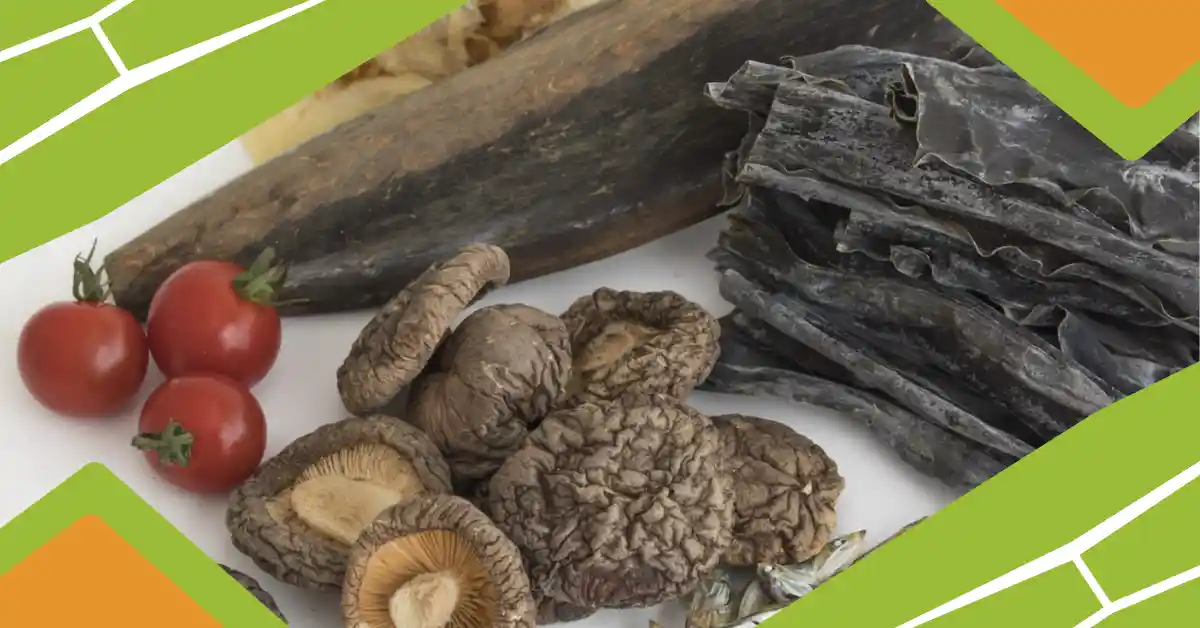
Umami is the foundational savory taste that shapes Japanese cooking and gives depth to its most iconic dishes. This subtle yet powerful flavor is often described as the “fifth taste,” alongside sweet, sour, bitter, and salty. In the culinary traditions of Japan, it plays a defining role in creating balance, richness, and satisfaction in food without relying heavily on fat or heavy seasoning.
Unlike more immediately recognizable tastes, Umami does not dominate a dish, it enhances it. It brings harmony to ingredients, allowing natural flavors to unfold gradually. This is why Japanese cuisine is often celebrated for its elegance, restraint, and depth.
Understanding Umami in Japanese Culinary Tradition
The concept of Umami was formally identified in the early 20th century, but its presence in Japanese cooking dates back centuries. Traditional cooks recognized that certain foods had a lingering, savory depth that could not be explained by salt or sweetness alone.
In everyday Japanese meals, Umami is not treated as an addition but as a foundation. It is carefully layered through ingredients such as fermented products, dried seafood, and slow-simmered broths. One of the most important carriers of this taste is dashi, a light but deeply flavorful stock made from kombu (sea kelp) and katsuobushi (dried bonito flakes).
Within this culinary philosophy, Umami appears naturally and subtly. It is not about intensity but about persistence, the flavor that remains after the bite is finished.
In traditional dishes, Umami often serves three essential roles:
- It enhances natural ingredient flavors without overpowering them.
- It creates balance between light and rich components in a meal.
- It provides satisfaction and fullness even in simple dishes.
This approach reflects the broader Japanese culinary principle of harmony, where no single taste should dominate the experience.
The Science Behind Savory Depth
From a scientific perspective, Umami is triggered by glutamates and nucleotides compounds found in many natural foods. When these compounds interact, they amplify the perception of savoriness, creating a richer sensory experience.
Fermentation plays a particularly important role in developing this taste. Foods like miso, soy sauce, and aged fish sauces naturally concentrate these compounds over time. The result is a deep, rounded flavor that enhances soups, sauces, and marinades.
In Japanese cuisine, this scientific understanding is deeply embedded in traditional cooking techniques, even if it was not originally described in modern biochemical terms. The slow extraction of flavor in broths and the careful aging of ingredients reflect an intuitive mastery of Umami.
Unlike sweetness or saltiness, which are immediately noticeable, Umami builds gradually on the palate. This is why dishes rich in it often feel more satisfying and complex, even when they appear simple in preparation.
Key Ingredients That Build Savory Complexity
The foundation of Umami in Japanese cooking comes from a small group of highly influential ingredients. These elements are used repeatedly across traditional dishes, each contributing depth in its own way.
Some of the most important sources include:
- Fermented soy products such as miso and soy sauce, which develop intense savory richness through aging.
- Seaweed varieties, particularly kombu, which naturally contain high levels of glutamic acid.
- Dried seafood, including bonito flakes, which add smoky and concentrated flavor.
- Mushrooms, especially shiitake, which bring earthy depth when dried and rehydrated.
These ingredients are often combined rather than used individually. The layering effect is what creates the signature depth of Japanese dishes.
For example, in miso soup, both miso paste and dashi work together to amplify savoriness. This synergy is one of the reasons Japanese cuisine is so highly regarded for its balance and refinement.
How Savory Flavor Shapes Traditional Japanese Dishes
Many iconic dishes in Japan rely heavily on Umami to define their character. Rather than relying on heavy sauces or spices, these dishes build complexity through careful preparation and ingredient selection.
A classic example is ramen broth, which can take hours or even days to develop. The broth often combines meat, seafood, and vegetables to extract maximum depth. Another example is sukiyaki, where soy sauce, sugar, and broth interact to create a rich but balanced flavor profile.
Traditional cuisine also emphasizes seasonal ingredients, which naturally vary in their Umami content. This seasonal approach ensures that dishes remain dynamic and aligned with nature’s rhythm.
In many cases, chefs do not add extra seasoning because the natural ingredients already provide enough depth. This restraint is a defining characteristic of Japanese culinary philosophy.
The Cultural Philosophy Behind Savory Balance
The role of Umami extends beyond taste; it reflects a cultural mindset. Japanese cooking values subtlety, respect for ingredients, and harmony in presentation. Rather than overwhelming the senses, meals are designed to guide them gently.
This philosophy is especially visible in traditional multi-course meals, where each dish contributes a different texture or flavor profile while maintaining overall balance. The presence of Umami ensures that even light dishes feel complete and satisfying.
It also supports the idea of “washoku,” the traditional dietary culture of Japan, which emphasizes seasonal harmony, nutritional balance, and aesthetic simplicity.
Modern Interpretations of Traditional Savory Taste
In contemporary cuisine, chefs both in Japan and around the world continue to explore Umami in creative ways. Fusion dishes often incorporate traditional Japanese ingredients into non-Japanese formats, such as using miso in Western-style sauces or kombu in modern broths.
Even outside traditional cooking, Umami has become a key concept in global gastronomy. Food scientists and chefs use it to design more satisfying dishes with reduced salt or fat content, relying on natural savory compounds instead.
Despite these modern interpretations, the core principle remains unchanged: depth comes from balance, not intensity.
Why Savory Depth Defines Japanese Cuisine
The defining strength of Japanese cuisine lies in its ability to deliver complexity through simplicity. Rather than masking ingredients, it highlights them. Umami acts as the invisible thread that ties flavors together, ensuring that every bite feels complete.
From traditional broths to modern reinterpretations, this savory dimension remains central to how Japanese food is experienced and appreciated. It is not just a taste it is a culinary philosophy that shapes everything from preparation methods to presentation.
By understanding this core principle, it becomes clear why Japanese cuisine continues to be celebrated worldwide for its elegance, depth, and enduring appeal.