Traditional Japanese Arts: Why Calligraphy, Tea & Ikebana Still Matter Today
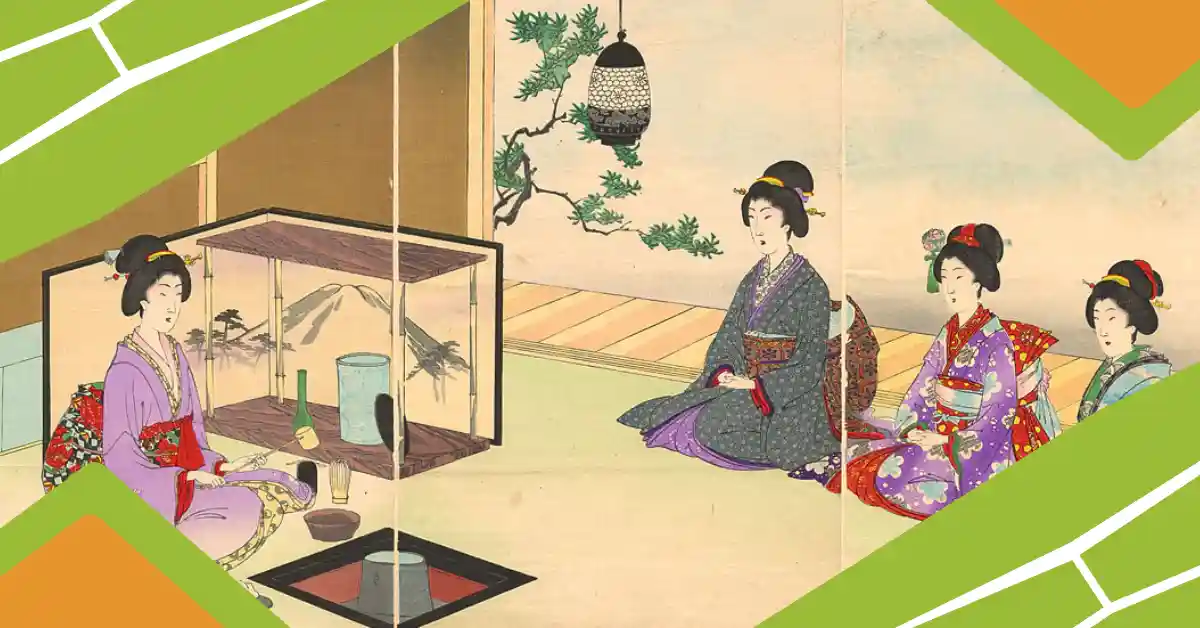
Traditional Japanese arts continue to captivate global audiences, and traditional Japanese arts remain deeply relevant in a fast-moving modern world because they offer more than aesthetic beauty; they embody philosophy, discipline, and mindfulness that many people are rediscovering today.
From the precise strokes of calligraphy to the serene rituals of tea ceremonies and the quiet elegance of ikebana flower arrangement, these practices are not just historical artifacts. They are living traditions that continue to evolve while preserving centuries of cultural wisdom. In an age dominated by digital speed and constant distraction, their emphasis on presence, simplicity, and intentionality feels more necessary than ever.
This article explores why these cultural practices still matter, how they are practiced today, and why they continue to influence art, wellness, and lifestyle across the world.
The Philosophy Behind Japanese Artistic Tradition
At the heart of Japan’s cultural expression lies a philosophy shaped by harmony, impermanence, and mindfulness. Unlike many Western art forms that prioritize expression or realism, Japanese aesthetics often emphasize subtlety, restraint, and emotional depth through simplicity.
This worldview is reflected in concepts such as wabi-sabi (the beauty of imperfection and impermanence) and ma (the significance of empty space). These ideas are not abstract theories; they are actively lived through artistic practice.
Whether it is a brushstroke in calligraphy, the preparation of matcha tea, or the placement of a single flower stem, the artist’s mindset matters as much as the final result. The process itself becomes a form of meditation, encouraging focus, patience, and awareness.
In today’s fast-paced environment, where efficiency often overrides reflection, this philosophical foundation offers a refreshing counterbalance. It invites practitioners and observers alike to slow down and reconnect with the present moment.
Calligraphy: The Art of Breath and Brush
Japanese calligraphy, or shodō, is far more than writing characters. It is a disciplined art form where every stroke reflects the writer’s state of mind. The brush does not merely transmit ink to paper it captures energy, emotion, and intention.
Practitioners spend years refining their posture, breathing, and brush control. Each character is executed in a single, flowing motion, meaning there is no room for hesitation. This makes calligraphy both technically demanding and spiritually grounding.
What makes calligraphy especially relevant today is its emphasis on presence. In a world of constant typing and digital communication, shodō reintroduces the human body into writing. The physical movement of the brush forces the practitioner to slow down, breathe, and commit fully to each stroke.
Modern artists are also reinterpreting calligraphy in contemporary design, fashion, and architecture. Its influence can be seen in minimalist branding, tattoo art, and even digital typography. Despite its ancient origins, calligraphy continues to evolve while maintaining its essence: the harmony between mind, body, and expression.
Tea Ceremony: A Ritual of Mindful Living
The Japanese tea ceremony, known as chanoyu, is one of the most refined cultural practices in Japan. It is not simply about drinking tea, it is a carefully choreographed ritual that emphasizes respect, harmony, purity, and tranquility.
Every movement in the ceremony has meaning. From cleaning the utensils to whisking matcha, nothing is rushed or random. Guests and hosts participate in a shared experience that values silence and attentiveness over conversation and distraction.
In modern life, where multitasking and speed dominate daily routines, the tea ceremony offers a radically different approach to time. It encourages participants to be fully present, to appreciate small details, and to find beauty in simplicity.
Some of the key experiences that define this practice include:
- A carefully prepared environment designed to reduce distraction
- Seasonal awareness reflected in utensils, sweets, and decoration
- A shared moment of silence that fosters reflection and connection
Beyond its cultural roots, the tea ceremony has gained attention in wellness and mindfulness communities worldwide. Many people see it as a form of moving meditation that aligns closely with modern mental health practices.
By slowing down and engaging fully with each gesture, participants learn that ordinary actions can become extraordinary when performed with intention.
Ikebana: The Art of Space and Balance
Ikebana, the Japanese art of flower arrangement, is often misunderstood as simply decorative. In reality, it is a deeply philosophical practice that focuses on harmony between nature, space, and structure.
Unlike Western floral arrangements that emphasize fullness and color, ikebana values minimalism. Empty space is just as important as the flowers themselves. Every branch, stem, and leaf is deliberately placed to create balance and rhythm.
The practice encourages practitioners to observe nature closely and understand its natural flow. Instead of forcing flowers into symmetry, ikebana allows asymmetry and imperfection to guide composition. This results in arrangements that feel alive, dynamic, and deeply expressive.
In contemporary settings, ikebana is increasingly used in interior design, wellness spaces, and art installations. Its minimalist aesthetic aligns perfectly with modern design trends, particularly in urban environments where simplicity is highly valued.
More importantly, ikebana teaches a deeper lesson: beauty does not come from abundance, but from thoughtful restraint. By removing excess, what remains becomes more meaningful.
Why These Traditions Still Matter in the Modern World
In a society driven by rapid technological advancement, these cultural practices offer something increasingly rare stillness. They are not just artistic disciplines; they are frameworks for living with greater awareness and intention.
One of the most important reasons they remain relevant is their adaptability. While rooted in centuries-old traditions, they continue to evolve and integrate into modern life. Artists, designers, and wellness practitioners around the world draw inspiration from them to create meaningful experiences in contemporary contexts.
Another reason is their psychological benefit. Practices like calligraphy, tea preparation, and flower arrangement naturally reduce stress by encouraging focus and mindfulness. They shift attention away from external noise and toward internal balance.
Most importantly, they remind us that creativity is not only about producing something new but about deepening our relationship with what already exists. In this way, traditional Japanese arts are not confined to museums or historical study; they are active tools for personal growth and emotional well-being.
The Global Influence and Continued Evolution
Today, these traditions are no longer limited to Japan. Workshops, exhibitions, and cultural exchanges have introduced them to audiences across Europe, the Americas, and beyond. As a result, they have influenced everything from contemporary art movements to modern wellness practices.
Designers incorporate principles of minimalism inspired by ikebana. Therapists use brush-based practices similar to calligraphy for stress relief. Even corporate environments experiment with tea ceremonies as mindfulness exercises for employees.
This global appreciation demonstrates that these traditions are not static relics. They are dynamic systems of thought that continue to evolve while maintaining their core values of simplicity, awareness, and respect.
Conclusion: A Timeless Relevance
The enduring appeal of these cultural practices lies in their ability to bridge past and present. They carry centuries of wisdom while remaining deeply applicable to modern life.
In a world increasingly defined by speed and digital overload, they offer an alternative path, one rooted in mindfulness, intention, and appreciation of the present moment. Whether through the stroke of a brush, the preparation of tea, or the placement of a single flower, they remind us that meaning is found not in excess, but in attention.
As global interest continues to grow, it becomes clear that these traditions are not fading. Instead, they are quietly reshaping how we think about art, wellness, and everyday living.