Shodo Japanese Calligraphy: Art, History, and the Spiritual Practice of Brush Writing
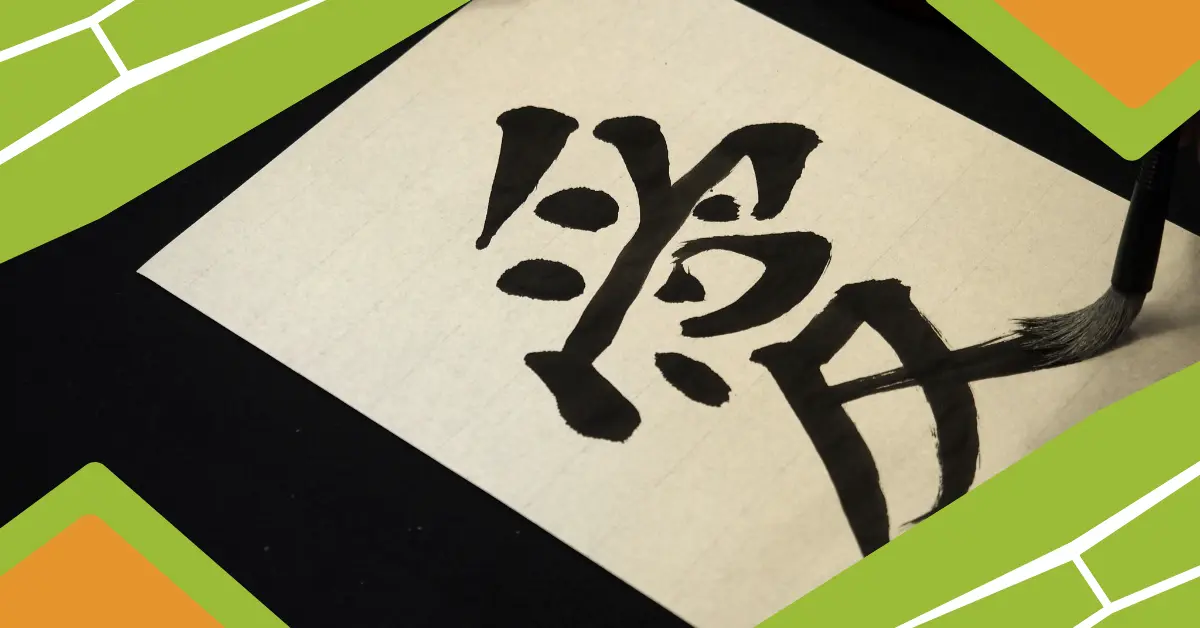
Shodo Japanese calligraphy is a refined art form where brush, ink, and paper become a path of expression. Shodo is more than writing; it is a disciplined practice that blends aesthetics, philosophy, and mindfulness.
This traditional art of brush writing has been practiced for centuries, evolving into both a cultural heritage and a spiritual discipline. In contemporary times, it continues to attract learners around the world who seek not only artistic skill but also inner calm and focus through disciplined practice.
Origins and History of Shodo
The history of Shodo Japanese calligraphy traces back to the introduction of Chinese writing systems and brush techniques to Japan around the 5th and 6th centuries. Over time, these influences were refined into a uniquely Japanese form of calligraphy that emphasized rhythm, balance, and emotional expression.
During the Heian period, calligraphy became an essential skill among the aristocracy, especially in poetry and court communication. It was not just a means of writing but also a reflection of education, taste, and refinement. As centuries passed, the practice evolved across different schools, each developing its own stylistic interpretations and philosophies.
In this historical journey, Shodo became deeply embedded in Japanese culture, influencing literature, education, and even Zen Buddhism. The fluidity of brush strokes began to symbolize the flow of life itself, where each movement captured a moment that could never be replicated exactly the same way again.
Today, historical appreciation of this art continues to inspire modern practitioners who study ancient scripts and techniques to better understand its depth and meaning.
Tools and Techniques of Brush Writing
The practice of brush writing relies on a few essential tools, each playing a vital role in the final expression. These tools are simple, yet mastering them requires patience and discipline.
Key tools include:
- Brush (fude), which varies in size and flexibility
- Ink stick (sumi), traditionally ground on an ink stone
- Ink stone (suzuri), used to prepare liquid ink
- Paper (washi), chosen for its absorbency and texture
Technique is central to mastery. Practitioners learn to control pressure, speed, and angle to create strokes that express both precision and emotion. The movement of the brush is not hurried; instead, it reflects controlled breathing and focused intention.
Within Shodo Japanese calligraphy, balance between form and emptiness is essential. Each stroke must carry meaning, and even the empty space on the paper is considered part of the composition. This harmony between presence and absence is what gives the art its distinctive beauty.
Consistency and repetition are also key. Students often practice the same characters repeatedly, refining their strokes over time. Through this repetition, they develop not only technical skill but also mental discipline and patience.
The Spiritual Practice Behind the Art
At its core, Shodo Japanese calligraphy is more than a visual art form; it is a meditative practice. Many practitioners approach it as a form of mindfulness, where the act of writing becomes a way to quiet the mind and focus on the present moment.
Before beginning a session, practitioners often prepare themselves with deep breathing and mental focus. The environment is kept calm and uncluttered to support concentration. Every brushstroke reflects the state of the mind, making emotional awareness an essential part of the practice.
Core spiritual principles often associated with this art include:
- Mindfulness through focused, present-moment awareness
- Harmony between body, mind, and movement
- Acceptance of imperfection in each brushstroke
- Expression of inner emotion without restraint
Unlike mechanical writing, brush calligraphy cannot be undone or corrected easily. This encourages acceptance and presence, teaching practitioners to move forward without hesitation. Each piece becomes a reflection of a single moment in time, capturing emotion and intention in its purest form.
For many, this practice becomes a form of meditation that extends beyond the studio. The discipline and calm developed through brush writing often influence daily life, encouraging patience, clarity, and emotional balance.
Modern Relevance and Global Appreciation
In the modern world, Shodo Japanese calligraphy continues to thrive despite rapid digitalization. While typing and printing dominate communication, the artistic and meditative value of brush writing has gained renewed appreciation.
Art schools, cultural workshops, and online communities now introduce this traditional practice to global audiences. Many people are drawn to it as a form of stress relief and creative expression. Its slow, intentional nature offers a contrast to fast-paced digital life, making it especially appealing in contemporary society.
Artists today also experiment with blending traditional brush techniques with modern design, creating works that bridge cultural heritage and contemporary aesthetics. This fusion helps keep the tradition alive while expanding its creative possibilities.
International interest has also grown significantly, with exhibitions and cultural exchange programs showcasing brush calligraphy as both an art form and a philosophical practice. Through this global appreciation, its timeless values continue to resonate across cultures.
Ultimately, the enduring appeal of Shodo Japanese calligraphy lies in its ability to connect art, history, and mindfulness into a single expressive practice. It remains a powerful reminder that beauty often comes from simplicity, discipline, and presence in the moment.
Conclusion
From its historical roots to its spiritual depth, brush writing remains one of the most meaningful traditional arts in Japan. It is not merely about writing characters but about expressing life through movement, balance, and awareness. As modern life becomes increasingly fast-paced, this ancient practice continues to offer a grounding experience that blends creativity with inner peace.