Seasonal Eating in Japan: Why Food Changes With the Calendar and Traditional Culture
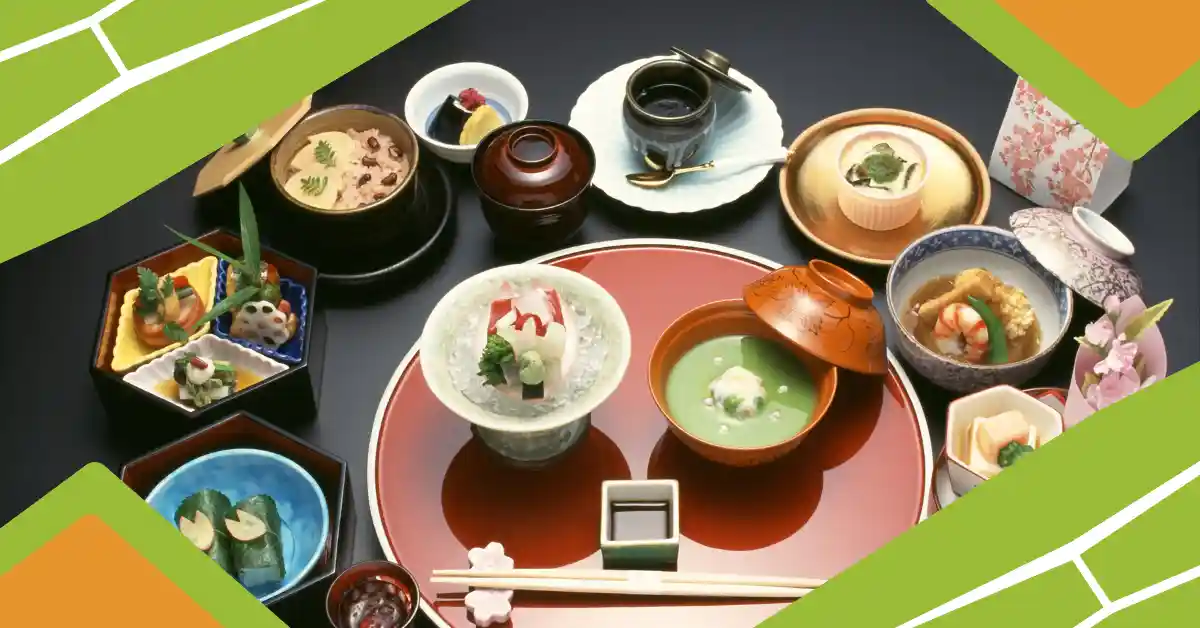
Seasonal eating is deeply rooted in Japan’s culinary identity, shaping how people choose, prepare, and enjoy food throughout the year.
Introduction to Seasonal Eating in Japan
Seasonal eating in Japan is more than a dietary habit, it is a cultural philosophy that connects people to nature’s rhythm. Instead of relying on the same ingredients year-round, Japanese cuisine embraces foods at their peak freshness, flavor, and nutritional value. This approach is guided by centuries-old traditions, agricultural cycles, and a strong appreciation for the changing seasons.
In Japan, food is not just sustenance; it is an experience tied to time, place, and emotion. From cherry blossoms in spring to warming hot pots in winter, the Japanese calendar is reflected vividly on the dining table.
The Cultural Concept of “Shun” (Seasonal Peak)
At the heart of Japanese cuisine lies the concept of “shun” (旬), which refers to the exact moment when a food is at its best. This principle is central to seasonal eating in Japan and influences everything from restaurant menus to home cooking.
Shun emphasizes freshness and natural flavor. For example, bamboo shoots in spring are tender and sweet, while autumn brings rich flavors like mushrooms and chestnuts. Eating foods at their peak is believed to enhance both taste and nutrition.
This cultural philosophy is deeply respected in Japanese cooking traditions, especially in kaiseki cuisine, where chefs design multi-course meals that reflect the current season.
Seasonal Eating Through the Four Seasons
Japan’s distinct four-season climate plays a major role in shaping its cuisine. Each season introduces unique ingredients and dishes that reflect the environment.
Spring: Renewal and Fresh Greens
Spring in Japan is associated with rebirth and freshness. Ingredients like bamboo shoots, young greens, and sakura (cherry blossom) flavors dominate menus. Light dishes such as rice with seasonal herbs and delicate soups are common.
Summer: Cooling and Hydration
Summer brings heat and humidity, so meals focus on refreshing and hydrating foods. Cold noodles like soba and udon, watermelon, cucumbers, and eel (unagi) are popular choices to combat fatigue.
Autumn: Harvest and Rich Flavors
Autumn is the season of abundance. Ingredients like mushrooms, sweet potatoes, chestnuts, and fatty fish such as sanma (Pacific saury) are widely enjoyed. This season is often considered the peak of seasonal eating due to its variety.
Winter: Warmth and Comfort
Winter meals focus on warmth and nourishment. Hot pot dishes such as nabe, steaming soups, and root vegetables help people stay warm. Citrus fruits like yuzu also add brightness to winter cuisine.
The Influence of Tradition and Spirituality
Japan’s respect for seasonal eating is also influenced by Shinto and Buddhist traditions, which emphasize harmony with nature. Food is often seen as a gift from the environment, and eating in tune with the seasons reflects gratitude and mindfulness.
Festivals and rituals throughout the year also shape what people eat. For example, specific foods are prepared during New Year celebrations, while summer festivals feature street foods that reflect the season’s energy and abundance.
Local Markets and Seasonal Ingredients
One of the best places to experience seasonal eating in Japan is at local markets. Fish markets, farmers’ markets, and regional food stalls showcase ingredients that change monthly or even weekly.
Japanese supermarkets also highlight seasonal produce with special labels, encouraging shoppers to choose foods that are currently at their peak. This system reinforces awareness of nature’s cycles and supports local agriculture.
In coastal regions, seafood availability also shifts with migration patterns, meaning menus often change depending on what is freshly caught.
Seasonal Sweets and Festival Foods
Japan’s love for seasonal eating extends beyond main meals into sweets and snacks. Wagashi (traditional Japanese sweets) are often designed to reflect seasonal imagery such as cherry blossoms, maple leaves, or snow.
Even modern convenience stores participate in this tradition, releasing limited-edition seasonal snacks and drinks. During spring, you might find sakura-flavored treats, while autumn brings sweet potato and chestnut desserts.
Festival foods also play a role. Summer matsuri (festivals) feature grilled foods, shaved ice, and street snacks that align with hot weather and outdoor celebrations.
Health Benefits of Seasonal Eating
One of the key advantages of seasonal eating is improved nutrition. Foods consumed at their natural peak often contain higher levels of vitamins and minerals. They are also fresher, tastier, and less likely to require long storage or preservatives.
In Japan, this approach contributes to a balanced diet that changes throughout the year, helping people naturally adjust their intake based on climate. For example, cooling foods in summer help regulate body temperature, while hearty winter dishes provide energy and warmth.
Additionally, seasonal diets encourage variety, reducing the risk of nutritional monotony and promoting overall well-being.
Sustainability and Environmental Impact
Seasonal eating also supports sustainability. By consuming foods that are naturally in season, Japan reduces the need for long-distance transportation and artificial growing methods like heated greenhouses.
This practice lowers carbon emissions and helps preserve local ecosystems. It also strengthens regional farming communities by encouraging demand for locally grown produce.
As global awareness of environmental issues grows, Japan’s traditional approach to food is increasingly seen as a model for sustainable living.
Modern Adaptations of Seasonal Eating in Japan
While traditional values remain strong, modern Japan has adapted seasonal eating to contemporary lifestyles. Restaurants now create seasonal menus that blend traditional ingredients with global influences.
Supermarkets and cafes frequently launch seasonal promotions, making it easy for busy consumers to stay connected to seasonal cycles. Even fast-food chains participate, offering limited-time seasonal items that reflect Japanese culinary traditions.
This blend of old and new ensures that seasonal eating remains relevant in urban environments where convenience is essential.
How to Experience Seasonal Eating in Japan
For visitors to Japan, experiencing seasonal eating can be one of the most memorable parts of the journey. Here are a few ways to immerse yourself:
- Visit local markets to discover fresh, seasonal produce
- Try kaiseki dining, where each course reflects the current season
- Explore regional specialties that change throughout the year
- Look for seasonal items in convenience stores and cafes
- Attend seasonal festivals to enjoy traditional street food
By aligning your meals with the season, you gain a deeper understanding of Japanese culture and its connection to nature.
Conclusion: A Living Tradition Rooted in Nature
Seasonal eating is not just a culinary trend in Japan, it is a deeply embedded cultural practice that reflects respect for nature, tradition, and balance. From ancient concepts like shun to modern seasonal menus in urban cafés, this approach continues to shape how people experience food.
By following the natural rhythm of the seasons, Japanese cuisine offers a constantly evolving dining experience that is both meaningful and delicious. Whether you are a traveler or a food enthusiast, embracing this philosophy provides a richer appreciation of Japan’s unique relationship with food and the environment.
Also Read: Explore Japanese Bento Boxes: Traditional, Cute, and Healthy Lunch Ideas from Japan