Izakaya Dining Experience in Japan: Food, Drinks, Atmosphere, and Cultural Traditions
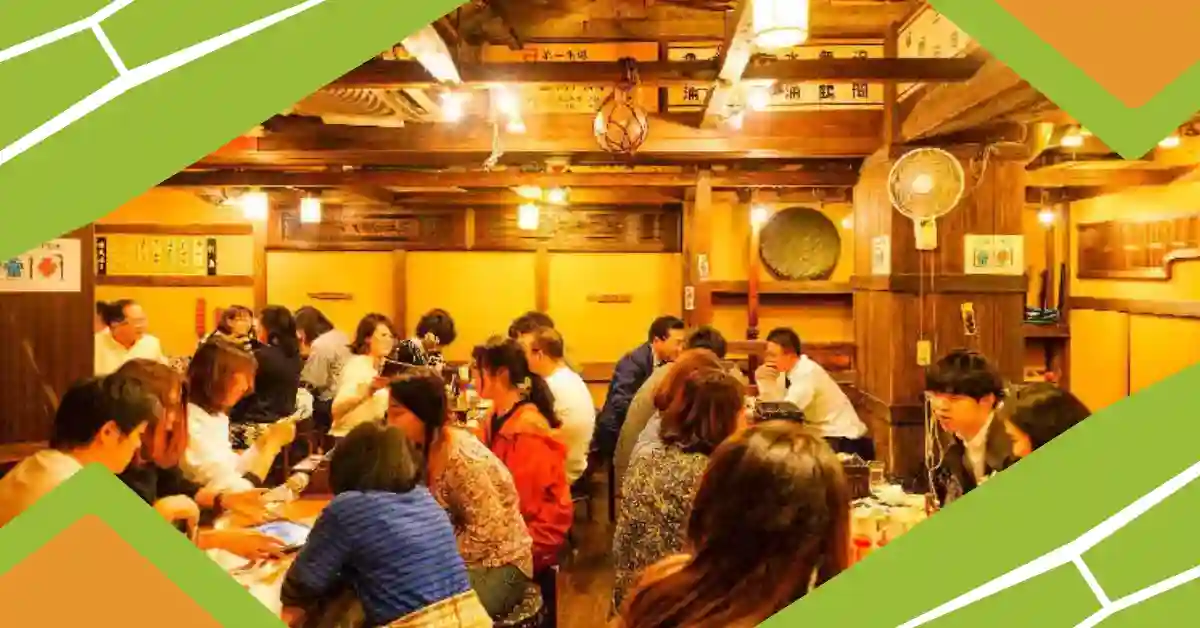
Izakaya dining is one of the most authentic ways to explore Japanese food culture, blending casual dining, shared plates, and lively social drinking in a uniquely relaxed setting. For travelers and food enthusiasts alike, stepping into an izakaya offers more than just a meal; it opens a doorway into Japan’s everyday lifestyle, where food, drinks, and conversation flow together seamlessly.
Understanding the Essence of Izakaya Culture in Japan
At its core, an izakaya is a Japanese-style pub where people gather after work or on weekends to unwind. Unlike formal restaurants, izakayas emphasize comfort, variety, and sociability. The setting is often warm and inviting, with wooden interiors, paper lanterns, and a lively buzz of conversation that fills the air.
The Izakaya dining experience is deeply rooted in the Japanese concept of “nomunication” , a blend of drinking and communication. It reflects the cultural importance of bonding over food and alcohol, where coworkers, friends, and even strangers come together in a shared space of relaxation.
Menus are usually extensive and designed for sharing, encouraging diners to order multiple small dishes rather than individual meals. This communal style of eating creates a dynamic flow of tasting and conversation, making every visit slightly different from the last.
Food in an Izakaya: Small Plates, Big Flavors
Food is at the heart of any izakaya visit, and the variety is one of its biggest attractions. The dishes are typically simple yet flavorful, designed to complement alcoholic beverages rather than overwhelm the palate.
A typical Izakaya dining includes grilled skewers known as yakitori, crispy karaage fried chicken, fresh sashimi, and comforting dishes like agedashi tofu or edamame. Seasonal ingredients are often featured, meaning the menu can shift throughout the year depending on freshness and availability.
What makes izakaya food special is its balance of textures and flavors. You might have something salty and rich like grilled eel, followed by something light and refreshing such as seaweed salad. This contrast keeps the palate engaged throughout the evening.
Unlike formal Japanese dining such as kaiseki, izakaya cuisine is casual and approachable. There are no strict rules about order or pairing, allowing diners to experiment freely with combinations. This relaxed freedom is part of what makes the experience so enjoyable and repeatable.
Drinks That Define the Izakaya Atmosphere
Alcohol plays a central role in izakaya culture, and drink menus are often just as extensive as food menus. Sake, Japan’s iconic rice wine, is a staple, offered in both warm and chilled varieties depending on preference and season.
Beer is another popular choice, especially draft beers served in chilled mugs that pair perfectly with fried and grilled dishes. Highballs whiskey mixed with soda are also commonly ordered for their light and refreshing taste.
During an Izakaya dining, drinks are often shared in rounds, reinforcing the sense of camaraderie. It is customary for colleagues or friends to pour drinks for each other rather than serving themselves, a gesture that symbolizes respect and connection.
Non-alcoholic options are also widely available, including green tea, soft drinks, and traditional Japanese beverages like calpis. This ensures that everyone can participate in the social atmosphere regardless of drinking preference.
Atmosphere: Where Energy Meets Relaxation
One of the most memorable aspects of an izakaya is its atmosphere. Unlike quiet or formal restaurants, izakayas are lively, sometimes even noisy, with laughter, clinking glasses, and cheerful conversations filling the space.
The lighting is typically warm and dim, creating a cozy environment that encourages people to relax and stay longer. Wooden furniture, handwritten menus, and small decorative touches add to the charm and authenticity of the space.
The Izakaya dining experience thrives on this balance between energy and comfort. It is neither chaotic nor overly structured; instead, it exists in a space where guests feel free to unwind without pressure.
Many izakayas also feature counter seating, allowing diners to watch chefs prepare food right in front of them. This adds an interactive element to the experience, making the meal feel more personal and engaging.
Cultural Traditions and Etiquette in Izakaya Dining
While izakayas are casual, they are still guided by subtle cultural traditions that reflect Japanese etiquette. Understanding these customs can enhance the overall experience and help visitors blend in more naturally.
It is common to start the evening with a small appetizer called otoshi, which is automatically served upon seating. This is similar to a cover charge and sets the tone for the meal.
Pouring drinks for others before serving yourself is considered polite and reflects the group-oriented nature of Japanese social dining. Additionally, saying “kanpai” (cheers) before drinking is an important ritual that marks the beginning of shared enjoyment.
The Izakaya dining also emphasizes respect for staff and fellow diners. Loud or disruptive behavior is generally avoided, even though the atmosphere is lively. The goal is to maintain harmony while enjoying food and drinks freely.
Tipping is not customary in Japan, and excellent service is already included in the dining culture. Instead, appreciation is shown through polite behavior and returning to the establishment.
The Modern Evolution of Izakayas
While traditional izakayas remain popular, modern versions have evolved to suit changing lifestyles and international influences. Today, you can find themed izakayas, upscale fusion versions, and even chain-style establishments that cater to tourists and younger audiences.
Some modern izakayas incorporate global flavors, offering dishes inspired by Korean, Italian, or Western cuisine while still maintaining Japanese dining principles. This fusion approach has expanded the appeal of izakayas beyond Japan.
Despite these changes, the core of the Izakaya dining remains the same: a welcoming space where people gather to eat, drink, and connect. Whether traditional or modern, the essence of shared enjoyment continues to define the experience.
Technology has also influenced izakaya dining, with many establishments now offering digital menus, tablet ordering systems, and multilingual support. This makes the experience more accessible to international visitors without losing its cultural authenticity.
Why Izakaya Dining Is a Must-Try in Japan
For anyone visiting Japan, experiencing an izakaya is essential. It offers a glimpse into everyday social life that cannot be fully understood through formal dining alone. The combination of food variety, relaxed atmosphere, and cultural traditions makes it a unique and memorable experience.
The Izakaya dining experience is not just about eating and drinking, it is about connection. It reflects the Japanese philosophy of enjoying life’s simple moments in good company, without unnecessary formality or restriction.
Whether you are traveling alone, with friends, or with colleagues, an izakaya provides a space where conversations flow naturally and time seems to slow down. It is a reminder that some of the best cultural experiences are found not in grand events, but in everyday gatherings around a table.
Conclusion
Izakayas represent the heart of Japanese social dining culture, blending food, drinks, and human connection into a seamless experience. From sizzling skewers and refreshing sake to lively conversations and warm interiors, every element contributes to a memorable night out.
The Izakaya dining experience continues to evolve while preserving its traditional roots, making it one of the most authentic and enjoyable ways to understand Japan’s culinary and cultural identity. Whether you are a first-time visitor or a returning traveler, stepping into an izakaya promises not just a meal, but a shared cultural journey worth experiencing again and again.
Also Read: Japanese Wagashi Traditional Sweets: History, Types, and Cultural Significance