Samurai History and Bushido Code: Origins, Values, and Legacy of Japan’s Elite Warriors
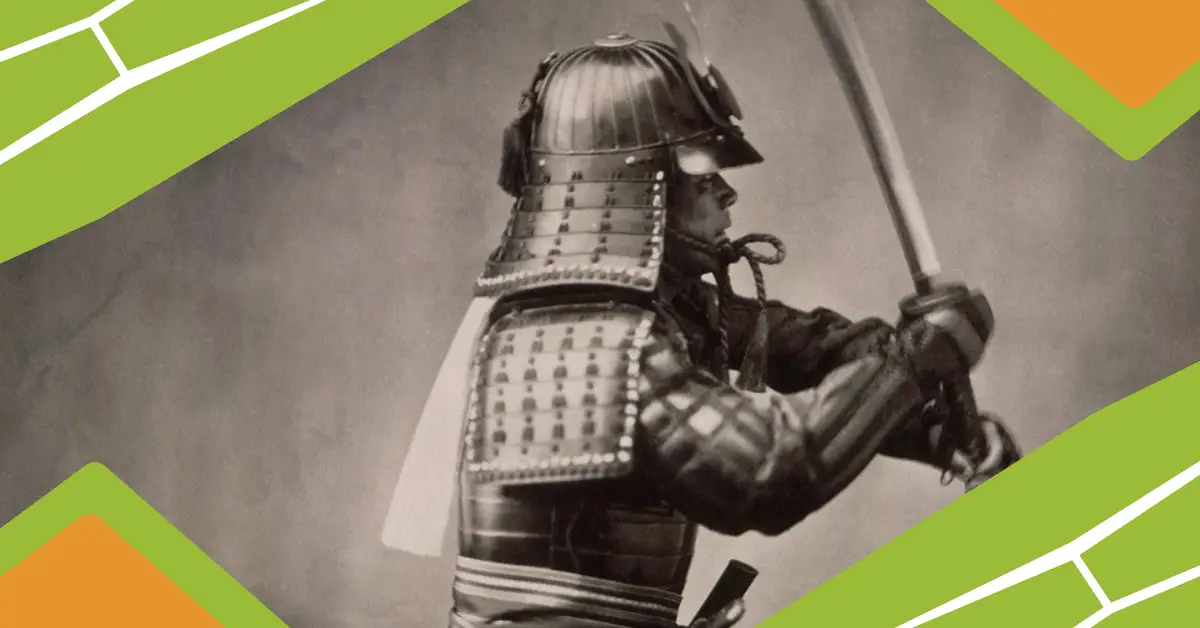
Samurai history and Bushido code shaped Japan’s elite warrior class for centuries, defining not only how they fought but also how they lived, governed, and understood honor. These disciplined warriors emerged during a turbulent feudal era and evolved into symbols of loyalty, courage, and moral integrity that still influence Japanese culture today. Understanding their origins and ethical framework reveals why the samurai remain one of the most fascinating warrior traditions in world history.
Origins of Samurai in Feudal Japan
The samurai class began to take shape during the late Heian period (794–1185), when centralized imperial authority in Japan weakened and regional clans gained power. Wealthy landowners hired armed retainers to protect their estates, and over time, these mounted warriors became known as “samurai,” meaning “those who serve.”
As warfare increased during the Kamakura period (1185–1333), samurai evolved from local protectors into a formal military class that served powerful feudal lords, or daimyō. Their role was not limited to battle; they also acted as administrators, enforcers of law, and guardians of political order. Loyalty to one’s lord became the defining trait of samurai identity.
By the time of the Muromachi and Sengoku periods (1336–1603), Japan was engulfed in constant civil war. Samurai clans fought for territory and influence, refining their military tactics and solidifying their place at the top of Japan’s social hierarchy. This era forged the image of the samurai as both ruthless warriors and disciplined strategists.
Bushido Code: The Moral Compass of Warriors
At the heart of samurai identity was Bushido, a code of ethics that guided behavior in both war and peace. Rooted in Zen Buddhism, Shinto beliefs, and Confucian values, Bushido emphasized virtues that went beyond combat skill.
Core principles included loyalty, honor, courage, compassion, and self-discipline. A samurai was expected to remain loyal to his lord even at the cost of his life. Dishonor was considered worse than death, leading many warriors to commit ritual suicide (seppuku) rather than live with shame.
This ethical framework was not originally written as a single doctrine but developed gradually through cultural expectations and warrior traditions. Over time, it became a guiding philosophy that shaped decision-making, conduct in battle, and personal discipline.
The phrase Samurai history and Bushido code is often used together because the two are inseparable samurai identities cannot be understood without the moral expectations that defined their actions. Their swords were not merely weapons but symbols of justice, responsibility, and restraint.
Training, Warfare, and Daily Discipline
Samurai life was not only about fighting on the battlefield; it required rigorous training and a disciplined lifestyle. From a young age, warriors were trained in martial arts, archery, horseback riding, and swordsmanship. Mental training was equally important, as calmness under pressure was considered essential in combat.
A samurai’s equipment reflected both functionality and symbolism. Armor was designed for mobility and protection, while the katana sword became an iconic representation of their status and spirit. Carrying two swords a long katana and a short wakizashi signified their rank and readiness for both battle and ritual duty.
In addition to warfare skills, samurai were often educated in literature, poetry, and philosophy. This cultural refinement distinguished them from ordinary soldiers and reinforced the ideal of the “cultured warrior.”
Key aspects of samurai discipline included:
- Daily practice of martial techniques and weapon mastery
- Meditation and mental control to achieve emotional balance
- Adherence to strict codes of etiquette in social and political life
- Continuous study of strategy, history, and philosophy
These practices ensured that samurai were not only physically capable but also mentally resilient and morally grounded.
The Evolution and Decline of the Samurai Class
As Japan entered the Edo period (1603–1868) under the Tokugawa shogunate, large-scale warfare came to an end. With peace restored, samurai transitioned from battlefield warriors to bureaucrats and administrators. Their military role diminished, but their cultural and social influence remained strong.
During this time, Bushido was formalized further as a way to preserve samurai identity in a peaceful society. However, the lack of warfare meant many samurai struggled to adapt, as their traditional role was no longer required in the same way.
The Meiji Restoration of 1868 marked the final decline of the samurai class. Japan rapidly modernized, abolished feudal structures, and introduced a conscripted national army. Samurai privileges, including stipends and the right to carry swords, were eventually removed. Despite this, their legacy did not disappear.
Legacy of Samurai in Modern Japan
Although the samurai class no longer exists, their influence continues to shape Japanese culture, ethics, and identity. Modern martial arts such as kendo and judo preserve their fighting spirit and disciplined training methods. Concepts like loyalty, perseverance, and honor remain deeply embedded in Japanese society and business culture.
The cultural memory of samurai has also spread globally through literature, film, and popular media. They are often portrayed as noble warriors who balanced strength with moral integrity, even if historical reality was more complex.
In contemporary Japan, samurai values are sometimes invoked in leadership, education, and corporate philosophy. The emphasis on discipline, respect, and responsibility reflects the enduring relevance of their ethical framework.
The continued fascination with samurai reflects a broader human interest in codes of honor and disciplined living. When studying Samurai history and Bushido code, it becomes clear that their legacy is not only about warfare but about a way of life that sought balance between power and principle.
Conclusion
The story of the samurai is one of transformation from regional warriors to elite military class, and finally to cultural symbols of honor and discipline. Their rise and fall mirror the political evolution of Japan itself. Yet their ideals continue to resonate long after their swords were laid down.
By understanding their origins, moral philosophy, and lasting influence, we gain insight into why the samurai remain timeless figures in global history. Their commitment to duty, mastery, and ethical conduct ensures that their legacy endures far beyond the battlefield.
Also Read: Shinto and Buddhism in Japan: History, Beliefs, and Cultural Influence