Best Things to Do in Summer in Japan Festivals, Food, Beaches & Hidden Gems
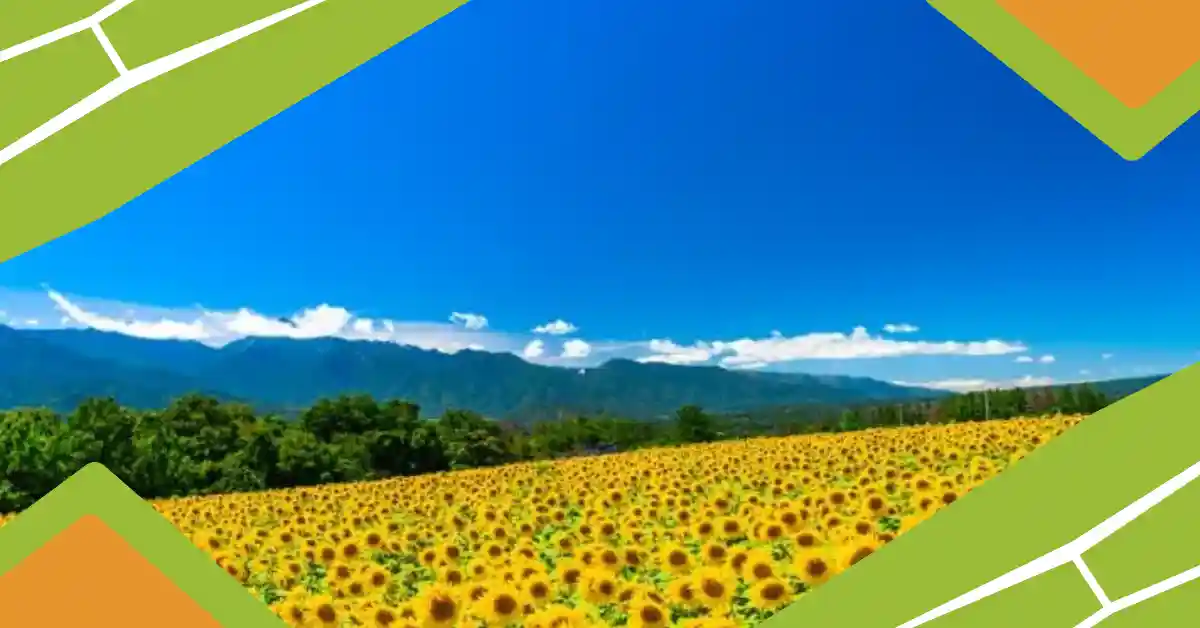
Summer in Japan is one of the most vibrant and culturally rich experiences travelers can have, blending centuries-old traditions with modern seasonal celebrations, coastal escapes, and unforgettable street food. From lantern-lit festivals in ancient cities to turquoise beaches in subtropical islands, this season transforms the country into a dynamic travel destination filled with color, energy, and discovery.
Festivals & Cultural Experiences That Define Summer in Japan
One of the most iconic ways to experience summer in Japan is through its legendary festivals, known locally as matsuri. These events are deeply rooted in history and often celebrate seasonal changes, spiritual beliefs, and local traditions.
In Kyoto, the world-famous Gion Matsuri takes center stage. With massive wooden floats, traditional music, and streets filled with yukata-clad locals, it is a cultural spectacle that dates back over a thousand years. The atmosphere is both festive and spiritual, offering travelers a rare glimpse into Japan’s living heritage.
Meanwhile, in Osaka, the energetic Tenjin Matsuri lights up the city with river parades, fireworks, and illuminated boats. It is one of Japan’s three greatest festivals and perfectly captures the lively spirit of urban Japan in summer.
In Tokyo, smaller neighborhood festivals pop up throughout the season, offering street performances, taiko drumming, and food stalls that stay open late into the humid summer nights. Experiencing these events is essential to understanding how deeply community and tradition are woven into daily life during summer in Japan.
What makes these festivals so special is not just their scale, but the immersive atmosphere. Visitors are encouraged to wear traditional yukata, enjoy seasonal games, and participate in local customs, making every festival feel personal and unforgettable.
Food & Seasonal Delights You Must Try
Food plays a huge role in shaping the experience of summer in Japan, with seasonal dishes designed to refresh and energize during the hot, humid months. Japanese cuisine becomes lighter, colder, and more refreshing, offering a perfect balance to the weather.
One of the most popular summer foods is somen, thin wheat noodles served chilled with dipping sauce. It is simple yet incredibly refreshing, especially when eaten outdoors or during festival nights. Another seasonal favorite is kakigori, finely shaved ice topped with syrups, condensed milk, or fruit perfect for cooling down after walking through crowded streets.
In coastal areas and cities alike, yakitori stalls, grilled corn, and seafood skewers dominate street food scenes. Night markets become lively social spaces where locals and travelers gather to eat, drink, and enjoy the warm evenings.
During summer in Japan, convenience stores also become surprisingly exciting culinary stops. Limited-edition drinks, seasonal snacks like watermelon-flavored treats, and chilled desserts offer affordable and accessible ways to experience Japanese food culture.
In Tokyo and Osaka, upscale restaurants often introduce seasonal kaiseki menus that highlight summer ingredients such as eel (unagi), eggplant, and fresh sashimi. These dishes are carefully prepared to reflect the season’s natural flavors and are considered a refined way to enjoy summer in Japan.
Even desserts evolve with the season. Matcha parfaits, citrus-based sweets, and jelly-like wagashi desserts are commonly served chilled, offering both visual beauty and refreshing taste. Food in this season is not just nourishment it is a sensory experience that reflects the rhythm of nature.
Beaches, Nature Escapes & Hidden Gems
While Japan is famous for its cities and culture, summer in Japan also reveals a stunning natural side, especially in its coastal and rural regions. The country offers everything from tropical beaches to serene mountain escapes.
One of the most breathtaking destinations is Okinawa Prefecture, a subtropical paradise known for crystal-clear waters, coral reefs, and white sandy beaches. Here, visitors can snorkel, dive, or simply relax by the ocean while enjoying a slower pace of life. Okinawa feels culturally distinct from mainland Japan, with its own traditions, music, and cuisine.
Beyond Okinawa, hidden coastal gems can be found in regions like Shikoku and the Izu Peninsula. These areas offer quieter beaches, dramatic cliffs, and natural hot springs overlooking the ocean. They are perfect for travelers seeking a more peaceful side of summer in Japan away from crowded tourist hubs.
Inland Japan’s mountainous regions provide a refreshing escape from the heat. Forest trails, waterfalls, and rural villages offer cool air and scenic landscapes. Hiking in these areas during early mornings or late afternoons allows visitors to experience nature at its most tranquil.
Another hidden gem is the countryside festivals held in smaller towns, where locals celebrate harvests, fire rituals, and seasonal traditions. These events are often less commercialized and provide a more intimate look at Japanese culture compared to major city festivals.
What makes traveling during summer in Japan so rewarding is the contrast it offers modern cities buzzing with energy on one hand, and peaceful natural retreats just a train ride away on the other. This balance allows travelers to design their journey based on mood, whether they seek excitement, relaxation, or cultural depth.
Final Thoughts
Experiencing summer in Japan is about more than sightseeing; it is about immersion in a season that celebrates life, tradition, and nature in equal measure. From the glowing lanterns of Kyoto’s festivals to the refreshing waves of Okinawa’s beaches, every region offers something unique and unforgettable.
Whether you are tasting seasonal street food in Osaka, watching fireworks over Tokyo, or discovering hidden coastal villages, summer reveals a side of Japan that is both vibrant and deeply human. It is a season where culture and nature come together seamlessly, leaving visitors with memories that last far beyond the trip itself.
Also Read: Sacred Sites of Kii Mountains: Japan’s Spiritual Peaks, Temples & Paths