Matcha, Mochi & Japanese Street Food: Best Traditional Snacks You Must Try in Japan
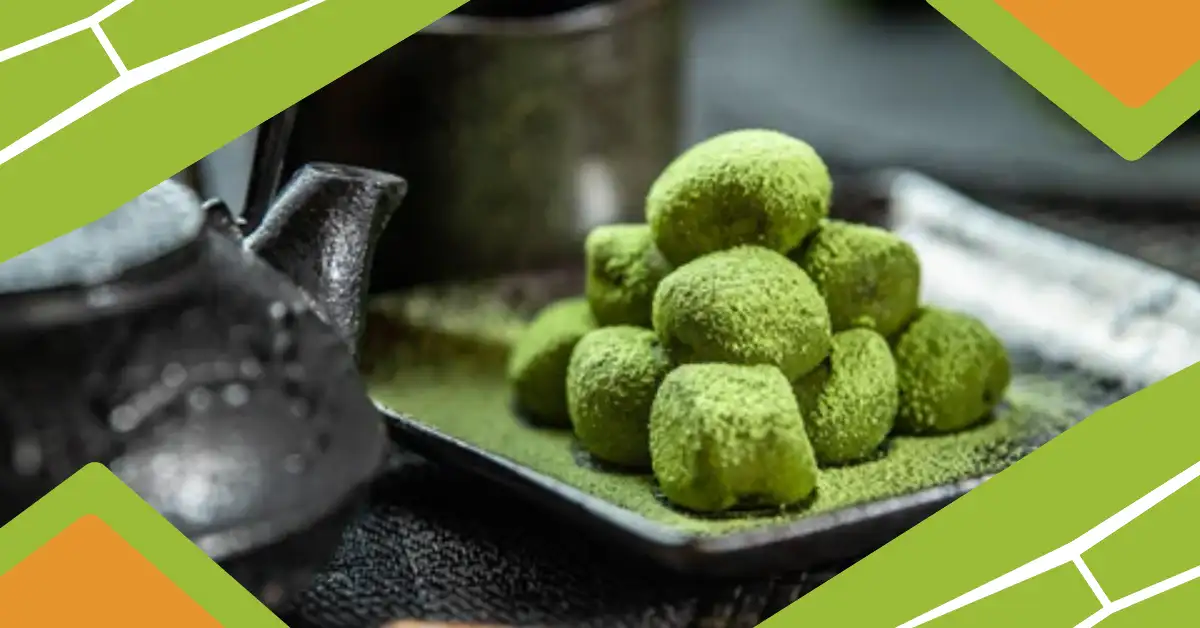
Matcha, Mochi are two of the most iconic elements of Japan’s culinary heritage, representing both refined tea culture and centuries-old confectionery traditions. When combined with the vibrant world of Japanese street food, they open the door to an unforgettable journey of taste, aroma, and cultural storytelling that every traveler should experience at least once in their lifetime.
Japan’s street food scene is more than just quick bites on the go, it is a living museum of flavors passed down through generations. From bustling night markets in Osaka to serene temple streets in Kyoto, every corner offers something unique that reflects regional identity and seasonal ingredients. Whether you are exploring sweet delicacies or savory grilled treats, Japanese street food provides a deep connection to the country’s culinary soul.
The Cultural Heritage of Japanese Street Food
Japanese street food, known locally as yatai culture, has long been associated with festivals, shrine visits, and seasonal celebrations. Unlike fast food in many parts of the world, Japan’s street snacks are often handcrafted with precision and rooted in tradition.
Many of these foods originated from simple, practical needs: quick meals for workers, festival treats for visitors, or seasonal sweets prepared during harvest celebrations. Over time, they evolved into refined culinary expressions that still maintain their original charm.
Walking through a Japanese street market, you’ll notice the emphasis on presentation and freshness. Vendors often prepare food in front of customers, highlighting transparency and craftsmanship. The experience is as important as the food itself, making each bite feel personal and culturally meaningful.
Matcha, Mochi and Iconic Sweet Treats You Can’t Miss
Among Japan’s most beloved traditional sweets, few ingredients are as culturally significant as matcha and mochi. The harmony between earthy green tea flavors and soft, chewy rice-based desserts defines much of Japan’s confectionery identity.
Matcha, Mochi desserts are often found in tea houses, street stalls, and festival stands. Matcha, a finely ground powdered green tea, is known for its slightly bitter yet refreshing taste, while mochi offers a chewy texture that pairs perfectly with both sweet and subtle flavors.
Here are some traditional sweet snacks commonly enjoyed in Japanese street food culture:
- Matcha-flavored wagashi – delicate traditional sweets often served with tea
- Daifuku mochi – soft rice cakes filled with red bean paste, fruit, or cream
- Dango skewers – chewy rice dumplings glazed with sweet soy or matcha sauce
- Taiyaki – fish-shaped cakes filled with custard, chocolate, or red bean paste
These desserts are not only delicious but also deeply symbolic. Mochi, for example, is often associated with celebration and good fortune, especially during New Year traditions. Meanwhile, matcha reflects Zen-inspired tea ceremonies that emphasize mindfulness and simplicity.
Together, they form a sensory experience that balances texture, flavor, and cultural meaning. In many modern dessert shops, you’ll also find creative fusion versions such as matcha ice cream mochi or mochi-filled pastries that continue to evolve this tradition for new generations.
Savory Japanese Street Food Classics That Define Local Flavors
While sweet treats are essential, Japanese street food is equally famous for its savory offerings. These dishes are often grilled, fried, or simmered, showcasing bold flavors and comforting textures that appeal to locals and tourists alike.
Street food stalls across Japan typically serve freshly made items designed to be eaten hot and enjoyed on the spot. The aroma alone is often enough to draw crowds during festivals and evening markets.
Some of the most popular savory street foods include:
- Takoyaki – crispy octopus-filled dough balls topped with savory sauce and bonito flakes
- Okonomiyaki – a savory pancake made with cabbage, batter, and various toppings
- Yakitori – grilled chicken skewers seasoned with salt or sweet soy glaze
- Korokke – Japanese-style croquettes filled with potato, meat, or vegetables
Each of these dishes reflects regional preferences and cooking styles. For example, Osaka is especially famous for takoyaki and okonomiyaki, while Tokyo street stalls often emphasize lighter grilled skewers and seasonal ingredients.
The beauty of Japanese street food lies in its simplicity. Despite being quick to prepare, each dish is crafted with attention to balance flavor, texture, and presentation all working together to create something memorable.
Where to Experience Authentic Street Food in Japan
To fully appreciate Japan’s culinary culture, location matters just as much as the food itself. Street food is deeply tied to festivals, seasonal events, and historic districts where traditions are still actively preserved.
Cities like Osaka, Kyoto, and Tokyo are especially known for their vibrant food scenes. In Osaka, the energetic atmosphere of Dotonbori offers endless stalls serving freshly cooked snacks late into the night. Kyoto, on the other hand, provides a more traditional experience, especially around shrine areas where vendors sell seasonal sweets and tea-based treats.
Tokyo combines both modern innovation and tradition, offering everything from century-old wagashi shops to contemporary street food markets with creative fusion dishes.
When exploring these areas, it’s common to see long queues forming around popular stalls, an indication of both quality and cultural significance. Locals often return to the same vendors for years, creating a sense of continuity and trust in the food being served.
For travelers, the best approach is to explore slowly, try small portions, and enjoy the diversity of flavors available in each neighborhood.
A Taste of Tradition in Every Bite
Japanese street food is more than just a culinary experience, it is a journey through history, culture, and community. From the delicate sweetness of traditional confections to the bold flavors of grilled street snacks, every bite tells a story of craftsmanship and heritage.
Matcha, Mochi remain at the heart of this experience, symbolizing Japan’s ability to preserve tradition while continuously evolving its food culture. Whether enjoyed at a bustling festival or a quiet tea street, these flavors offer a timeless connection to Japan’s rich culinary identity.
For anyone planning a trip to Japan or simply exploring global cuisines, diving into its street food scene is one of the most rewarding ways to understand the country. It is where tradition meets everyday life and where every snack becomes a memorable experience.
Also Read: How to Make Japanese Food at Home: Basics, Ingredients & Methods