The Japanese Diet Explained: Tips for Healthy Eating and Natural Weight Management
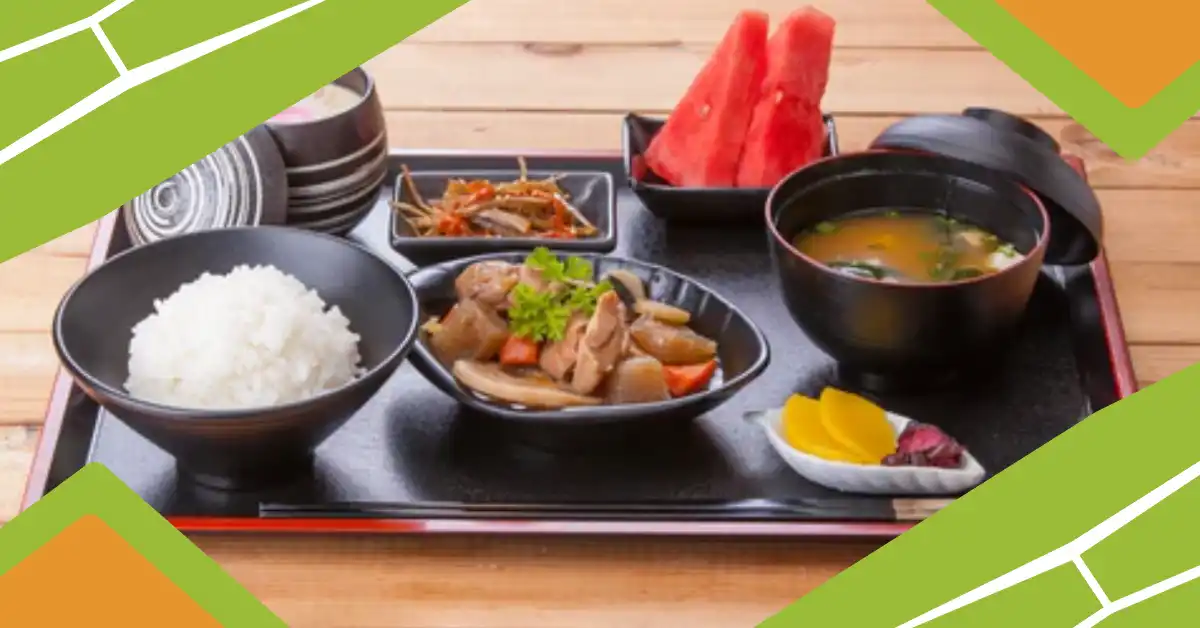
In recent years, the Japanese diet has gained global attention for its association with longevity, balanced nutrition, and natural weight management. Known for its emphasis on fresh, minimally processed foods, this dietary pattern offers not only health benefits but also a sustainable approach to eating. Understanding the principles behind the Japanese diet can provide practical guidance for those seeking a healthier lifestyle.
The Core Principles of the Japanese Diet
The Japanese diet is built on simplicity and seasonality. It does not focus on restrictive eating. Instead, it emphasizes balance, portion control, and natural flavors. Key elements include plenty of vegetables, seafood, soy products, and whole grains. Meat and dairy are eaten in moderate amounts. Meals are usually prepared to preserve nutrients, using methods like steaming, grilling, or simmering. They are typically low in added sugars and unhealthy fats.
Another hallmark of the Japanese diet is mindful eating. Meals are usually enjoyed slowly, with attention to presentation and taste, fostering a greater awareness of hunger and satiety cues. This practice not only supports weight management but also enhances the overall dining experience.
Nutritional Highlights of the Japanese Diet
- Rich in Omega-3 Fatty Acids
Fish and seafood are staples in the Japanese diet, providing abundant omega-3 fatty acids that support heart and brain health. Regular consumption of fish like salmon, mackerel, and sardines has been linked to lower rates of cardiovascular disease. - Plant-Based Proteins and Fermented Foods
Soy products, such as tofu, edamame, and miso, are common protein sources. Fermented foods like miso soup and natto also promote gut health, aiding digestion and nutrient absorption. These foods are integral to the Japanese diet and contribute to its reputation for promoting longevity. - High Intake of Vegetables and Seaweed
Vegetables, often served in small, varied portions, provide fiber, vitamins, and antioxidants. Seaweed, a traditional component of many dishes, adds minerals such as iodine, which supports thyroid function and metabolic health. - Low in Processed Sugars and Saturated Fats
The Japanese diet naturally limits processed foods, sugary beverages, and high-fat snacks. By emphasizing whole, minimally processed foods, it reduces the risk of obesity, type 2 diabetes, and other metabolic disorders.
The Role of Portion Control
A distinguishing feature of the Japanese diet is its attention to portion size. Meals are often served in small bowls, with a variety of components on the plate. This encourages a slower eating pace and helps prevent overeating. The concept of hara hachi bu, or eating until 80% full, is a traditional practice that aligns with modern research on calorie restriction and longevity.
Portion control, combined with nutrient-dense foods, ensures that caloric intake is balanced without compromising satiety. This natural approach to weight management is one of the reasons why Japan consistently reports lower obesity rates compared to Western countries.
Practical Tips for Adopting the Japanese Diet
- Focus on Whole, Seasonal Ingredients
Incorporate more vegetables, legumes, fish, and whole grains into your meals. Prioritize seasonal produce to maximize flavor and nutritional value. - Include Fermented Foods Daily
Add miso soup, pickled vegetables, or natto to your diet to support gut health and improve digestion. - Practice Mindful Eating
Eat slowly, savor each bite, and pay attention to your hunger cues. Smaller portions and mindful eating can naturally reduce calorie intake. - Limit Sugary and Processed Foods
Replace sugary drinks with green tea and reduce consumption of packaged snacks. Emphasizing whole foods over processed options aligns with the core principles of the Japanese diet. - Balance Meals with Variety
A typical Japanese meal features rice or noodles, a protein source, multiple vegetable dishes, and sometimes a small portion of fruit. This variety ensures you get a broad spectrum of nutrients while keeping meals satisfying.
Health Benefits of the Japanese Diet
Research consistently highlights the advantages of adopting a Japanese dietary pattern. Individuals who follow this lifestyle often experience:
- Improved Heart Health: High intake of omega-3 fatty acids and fiber contributes to lower cholesterol and reduced risk of cardiovascular disease.
- Better Weight Management: Controlled portions, high fiber content, and nutrient-dense foods promote natural weight regulation.
- Enhanced Longevity: Japan has one of the highest life expectancies in the world, with diet playing a significant role.
- Reduced Risk of Chronic Diseases: A low intake of processed foods and added sugars helps protect against diabetes, obesity, and certain cancers.
Moreover, the Japanese diet’s emphasis on balance, moderation, and mindful eating makes it more sustainable compared to fad diets that rely on strict restrictions.
Integrating Japanese Eating Habits into Daily Life
You don’t need to live in Japan to benefit from the Japanese diet. Simple changes, like incorporating more fish, vegetables, and fermented foods, can significantly improve your health. Meal preparation can also embrace Japanese techniques, such as steaming or lightly grilling vegetables and proteins to retain nutrients. Even small adjustments, like using smaller plates or practicing hara hachi bu, can have a meaningful impact on appetite control and long-term weight management.
Pairing these dietary choices with regular physical activity, sufficient hydration, and adequate sleep further enhances overall well-being. By focusing on holistic lifestyle habits rather than strict rules, the Japanese diet provides a realistic and enjoyable approach to healthy living.
Conclusion
The Japanese diet is more than a set of recipes it is a lifestyle rooted in balance, nutrition, and mindful eating. With its emphasis on fresh vegetables, fish, whole grains, and fermented foods, it supports heart health, longevity, and natural weight management. By adopting elements of this diet, including portion control, seasonal ingredients, and mindful eating practices, anyone can enjoy a healthier, more sustainable approach to food.
Embracing the Japanese diet is not just about what you eat; it’s about how you eat. Slower meals, appreciation for variety, and respect for natural flavors create a way of eating that nourishes both body and mind. As more people seek sustainable health solutions, the timeless wisdom of the Japanese diet offers a practical, effective, and enjoyable path to well-being.
Also Read: Dashi Japan’s Soup Stock: Essential Ingredient for Authentic Japanese Cooking