Sushi vs Sashimi: Key Differences, Ingredients, and How to Enjoy Each
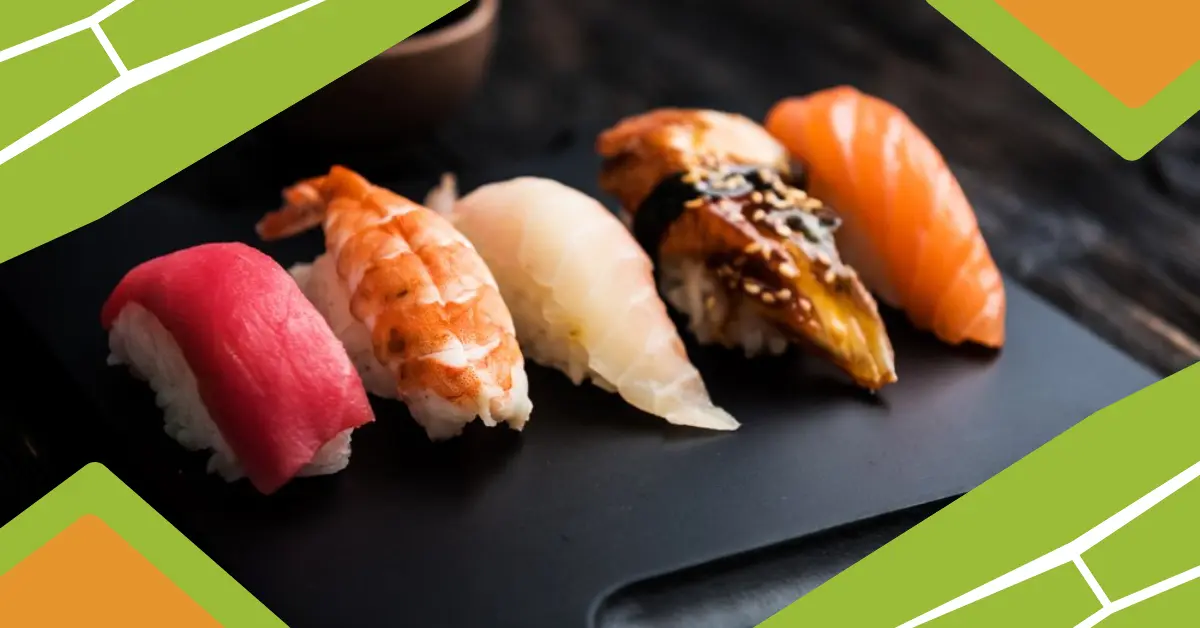
Sushi and sashimi are two of the most celebrated elements of Japanese cuisine, often admired for their simplicity, freshness, and delicate flavors. Yet, many people outside Japan struggle to distinguish between the two. Understanding the differences can enhance your dining experience and deepen your appreciation for these culinary delights. In this article, we explore Sushi vs Sashimi, their ingredients, preparation methods, and tips for enjoying each.
What is Sushi?
Sushi is a broad term that refers to a Japanese dish primarily made of vinegared rice combined with various ingredients such as seafood, vegetables, and occasionally tropical fruits. While raw fish is commonly associated with sushi, not all sushi includes raw seafood. Popular varieties include nigiri (hand-pressed rice topped with fish), maki (rolled sushi with rice and fillings wrapped in seaweed), and temaki (hand rolls).
The key element that defines sushi is its rice, seasoned with a blend of rice vinegar, sugar, and salt. This rice provides a subtle tang and sweetness, complementing the flavors of fish, vegetables, and other toppings. Sushi chefs spend years mastering the perfect balance of rice texture and seasoning, making sushi an art form as much as a meal.
What is Sashimi?
Sashimi, on the other hand, is a Japanese delicacy that focuses solely on fresh, high-quality raw fish or seafood. Unlike sushi, sashimi is served without rice and is typically sliced into thin pieces to highlight the natural flavor and texture of the fish. Common sashimi ingredients include tuna, salmon, mackerel, squid, and octopus.
The quality of sashimi depends heavily on the freshness of the seafood. It is often accompanied by minimal garnishes like shredded daikon radish, shiso leaves, and a dab of wasabi. Sashimi is a dish that celebrates purity and precision, emphasizing the natural taste of the fish rather than blending it with other components.
Key Differences Between Sushi and Sashimi
While sushi and sashimi share similarities in that both may feature raw fish, several key differences set them apart:
- Rice Presence: Sushi includes vinegared rice as its base, while sashimi is served without rice.
- Preparation Style: Sushi combines multiple ingredients, often blending flavors and textures, whereas sashimi focuses on a single ingredient and precise slicing technique.
- Serving Accompaniments: Sushi is often paired with soy sauce, pickled ginger, and wasabi, whereas sashimi is typically served more simply to allow the fish to shine.
- Eating Experience: Sushi offers a more complex taste due to the combination of ingredients, while sashimi provides a purer, more delicate flavor profile.
Understanding these distinctions can help diners make more informed choices at Japanese restaurants, especially if they want to experience the contrast between the two.
Common Ingredients in Sushi
Sushi offers a wide variety of ingredients beyond raw fish, making it a versatile dish that caters to different tastes. Some popular sushi ingredients include:
- Fish and Seafood: Tuna, salmon, shrimp, eel, and crab are common options.
- Vegetables: Avocado, cucumber, and pickled radish provide freshness and texture.
- Condiments: Soy sauce, wasabi, and pickled ginger enhance flavor and balance richness.
- Wraps and Rice: Nori seaweed wraps and vinegared sushi rice are essential components of traditional rolls.
The combination of ingredients allows sushi to appeal to both raw fish enthusiasts and those who prefer cooked or vegetarian options.
Common Ingredients in Sashimi
Sashimi focuses on simplicity, emphasizing high-quality seafood. Typical ingredients include:
- Fish: Salmon, tuna, mackerel, and yellowtail are popular choices.
- Seafood: Octopus, squid, and scallops are also commonly served.
- Garnishes: Minimal garnishes such as daikon radish, shiso leaves, or a touch of wasabi complement the fish without overpowering it.
Unlike sushi, sashimi’s ingredient list is intentionally short to showcase freshness and craftsmanship.
How to Enjoy Sushi
To fully appreciate sushi, start by observing the presentation. Good sushi is visually appealing, with carefully shaped rice and vibrant toppings. Dip sushi lightly in soy sauce, placing the fish side down to avoid soaking the rice. Many diners enjoy adding a small amount of wasabi or pickled ginger for an extra burst of flavor.
When eating sushi, it is customary to use your hands for nigiri or chopsticks for rolls. Taking small bites allows you to savor the blend of textures and flavors, from the tenderness of fish to the slightly sticky, seasoned rice.
How to Enjoy Sashimi
Sashimi is best enjoyed with minimal distractions to fully appreciate the freshness of the fish. Traditionally, it is eaten with chopsticks, dipped lightly in soy sauce, and accompanied by a small amount of wasabi if desired. Sashimi pieces should be eaten one at a time to experience the subtle differences in taste and texture.
Pay attention to the cut and thickness of the slices. Expertly prepared sashimi melts in your mouth, highlighting the fish’s natural sweetness and delicate texture. Pairing sashimi with sake or green tea can enhance the dining experience without overwhelming the dish’s simplicity.
Sushi vs Sashimi: Making the Choice
Choosing between sushi and sashimi often comes down to personal preference. If you enjoy a harmonious blend of flavors and textures, sushi offers a versatile and satisfying option. On the other hand, if you want to savor the pure essence of high-quality fish, sashimi provides a refined and minimalist experience. Many Japanese restaurants offer both options, allowing diners to enjoy the contrast in a single meal.
Ultimately, the choice between sushi and sashimi also reflects how adventurous you are with flavors and presentation. Sushi’s creative combinations appeal to those who like variety, while sashimi’s simplicity is perfect for purists who value freshness above all else.
Conclusion
The difference between sushi and sashimi is more than just rice or raw fish it’s about culinary philosophy. Sushi combines ingredients to create complex flavors, while sashimi highlights the natural quality of seafood. Whether you are enjoying a colorful roll or delicate slices of fresh fish, understanding Sushi vs Sashimi allows you to fully appreciate the artistry and tradition behind these iconic Japanese dishes.
Next time you visit a Japanese restaurant, take a moment to observe, taste, and enjoy each bite. The subtle details in preparation, presentation, and flavor make sushi and sashimi experiences worth savoring, offering both variety and simplicity on your plate.
Also Read: Dashi Japan’s Soup Stock: Essential Ingredient for Japanese Cooking