Japan’s Electricity System: What Every Foreigner Needs to Know Before Visiting
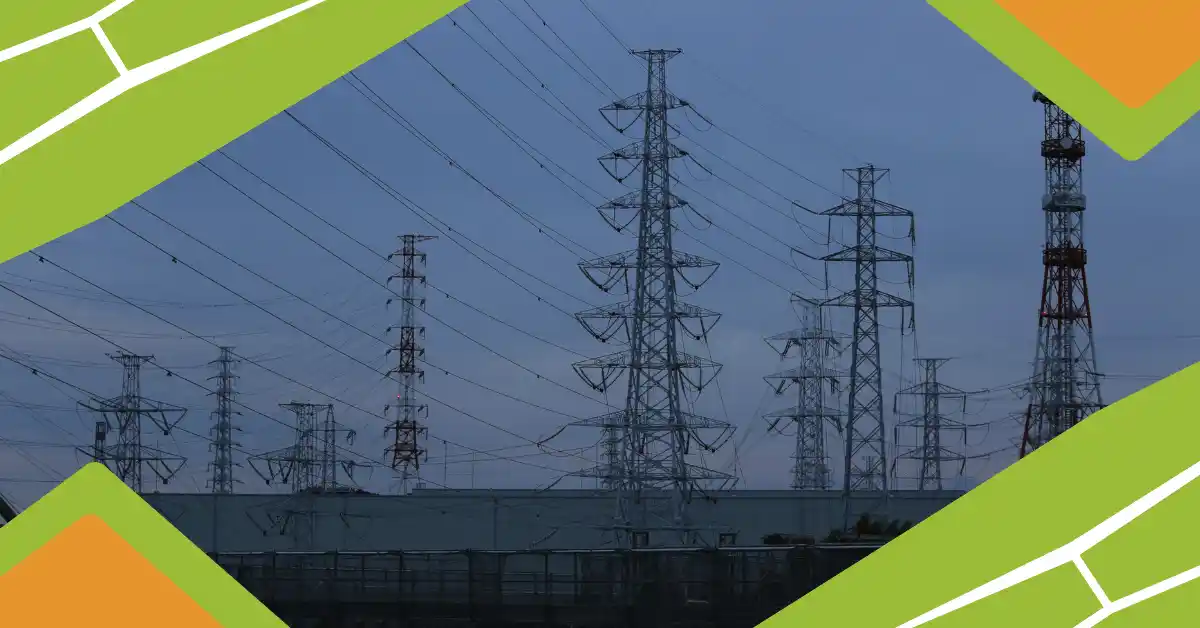
Traveling to Japan is exciting, but many visitors are surprised to discover that the first cultural shock isn’t always sushi etiquette or bowing it’s often the electricity. Japan’s power system differs significantly from what most foreigners are used to, with a combination of low voltage, split frequencies, and unique plug types that can leave you puzzled in front of a wall outlet. Understanding how Japan’s electricity works is essential for travelers, expats, and anyone planning to bring devices into or out of the country.
Understanding Japan’s Voltage
Japan operates on a 100-volt system, which is lower than most other regions around the world. For comparison:
- North America: 120 V
- Europe, Australia, UK: 230–240 V
- Japan: 100 V
This lower voltage is a historical legacy from the early days of electrification. While 100 volts might seem weak compared to the 230–240 volts found in Europe or Australia, it is perfectly safe for Japanese appliances and most modern electronics. However, it can affect foreign devices, especially those with heating elements or motors, such as hair dryers or rice cookers. Plugging high-voltage appliances from Europe or Australia into Japanese sockets often results in underperformance or even damage.
The Unique Split Frequency
Another feature that sets Japan apart is its split frequency system:
- East Japan (Tokyo, Yokohama, Sendai, Sapporo, Nagoya) operates on 50 Hz.
- West Japan (Osaka, Kyoto, Kobe, Hiroshima, Fukuoka) operates on 60 Hz.
This unusual arrangement dates back to the late 19th century when Tokyo imported German 50 Hz generators and Osaka imported American 60 Hz generators. Rather than overhaul the entire grid, Japan allowed both systems to coexist, divided roughly along the Fuji River.
For most modern electronics, the frequency difference is irrelevant because devices are built to handle both 50 Hz and 60 Hz. However, older appliances, clocks, or motor-driven equipment may run slightly faster or slower depending on the local frequency. While it’s not usually a problem, it’s worth noting for travelers using precision devices or older equipment.
Japanese Plug Types
The plugs in Japan are simple yet distinct. The majority of homes, hotels, and public spaces use Type A plugs, which feature two flat parallel pins. Grounded Type B plugs exist but are less common in everyday households.
- Type A (two flat pins): Standard in almost all Japanese outlets, used for laptops, chargers, and small appliances.
- Type B (two flat pins plus a grounding pin): Found in some newer or commercial buildings but not widely adopted in homes.
For travelers from the US or Canada, Type A plugs will usually fit without a problem, though minor differences in prong thickness or spacing may require a small adapter. Visitors from Europe, the UK, Australia, or other regions with round pins will definitely need a plug adapter to use their devices safely.
Using Foreign Electronics in Japan
For modern electronics, Japan’s electricity system is surprisingly accommodating. Most laptops, smartphones, cameras, and other portable devices come with power adapters that handle 100–240 V and 50/60 Hz, making them fully compatible. In these cases, you only need a plug adapter, not a voltage converter.
However, appliances that rely heavily on heat or motors require extra caution:
- High-voltage devices (230–240 V) from Europe or Australia may not function properly. A hair dryer, kettle, or curling iron may produce weak heat or fail to work entirely.
- North American devices (120 V) are closer to Japan’s 100 V but may underperform on high-demand appliances. A step-up transformer can prevent damage and ensure optimal performance.
When in doubt, it’s often best to purchase Japanese versions of appliances such as hair dryers, rice cookers, or kettles. These are designed specifically for 100 V and split-frequency operation, eliminating any risk of underperformance or device damage.
Bringing Japanese Devices Home
Japanese electronics are admired worldwide for their design, efficiency, and reliability. But when taking Japanese appliances abroad, voltage differences become critical:
- North America (120 V): Most Japanese devices will work reasonably well. The voltage difference is minimal, and plugs are compatible with adapters.
- Europe, Australia, and other 230–240 V regions: Plugging a 100 V device directly into a high-voltage socket is extremely dangerous and can destroy the appliance instantly.
Options for safe usage include:
- Using a step-up transformer rated for the device.
- Purchasing export-ready Japanese appliances designed for higher voltages.
Travelers often find it simpler to enjoy these devices in Japan and leave them behind when returning home, rather than risking damage to a beloved gadget.
Tips for Travelers and Long-Term Residents
Understanding and navigating Japan’s electricity system can be stress-free if you adopt a few practical habits:
- Check the labels: Always read the voltage and frequency requirements on your devices or adapters before plugging them in.
- Use proper adapters: Even if your plug seems similar, a dedicated Japanese adapter ensures a secure connection and reduces the risk of sparks or overheating.
- Be cautious with heat and motors: Appliances with heating elements or strong motors often need either a converter or a Japanese-spec version.
- Buy locally for long-term stays: For stays of several months or years, purchasing essential appliances locally avoids frequent voltage worries and ensures compatibility with Japan’s 100 V system.
A Quiet, Efficient System
Japan’s electricity system mirrors the country itself: subtle, efficient, and designed to operate reliably behind the scenes. While it may seem confusing at first glance, the system is safe, logical, and easy to navigate with a little preparation. For most travelers, modern electronics work seamlessly, and common household appliances can be adapted or replaced easily.
With the right knowledge and a few simple tools adapters, careful label reading, and an understanding of voltage differences Japan’s electricity system becomes less of a hurdle and more a background convenience. Once you understand it, that gentle hum from the outlet is a quiet reminder that you are truly in Japan, ready to enjoy its culture, technology, and way of life without electrical surprises.
Also Read: Japan’s E-Money Revolution: How Cashless Payments Are Changing Life