Japan’s E-Money Revolution: How Cashless Payments Are Transforming Daily Life
Japan, long celebrated for its efficient public transportation, iconic vending machines, and rich cultural heritage, has traditionally been a nation that values cash. The crisp yen notes and shiny coins have been staples in wallets for decades. Yet, a quiet revolution is reshaping the way people transact in the Land of the Rising Sun. Electronic money commonly known as e-money is steadily transforming daily life, making payments faster, safer, and more convenient for locals, expats, and tourists alike.
In 2023, cashless payments in Japan soared to 39.3% usage, edging ever closer to the government’s ambitious target of 40% by 2025. This surge is driven by a combination of factors: government incentives, pandemic-driven hygiene needs, urban convenience, and the rising adoption of prepaid and mobile payment technologies. For newcomers navigating Japan’s bustling streets, understanding this e-money ecosystem is essential to enjoying the seamless convenience it offers.
Prepaid IC Cards: The Everyday Companion
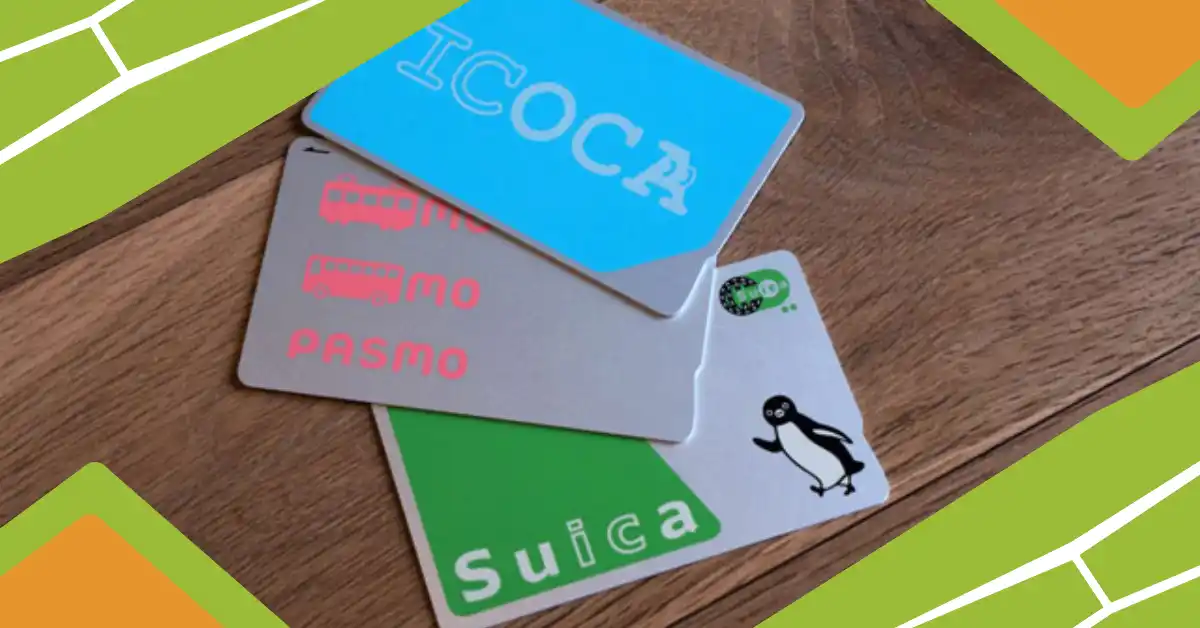
At the heart of Japan’s e-money landscape lies the humble prepaid IC card. Cards like Suica, Pasmo, and Edy have evolved into indispensable tools for daily life. They allow users to glide effortlessly through train stations, pay at vending machines, and make purchases at convenience stores transforming mundane errands into a fluid experience.
Rechargeable at konbini (convenience store) counters or train ticket machines, these FeliCa-powered cards offer nationwide interoperability. Imagine traveling from the neon chaos of Tokyo to the serene temples of Kyoto without needing to fumble for cash. That sense of freedom and smooth navigation is the emotional core of Japan’s cashless movement.
Retail chains have also woven loyalty programs into IC cards. For example, Nanaco at 7-Eleven rewards users for everyday purchases, while Waon at AEON integrates family shopping habits, creating a sense of belonging in a community-driven retail culture. For expats and locals alike, IC cards offer both convenience and a subtle connection to Japan’s social fabric, turning small daily transactions into moments of delight.
Debit and Linked Cards: Direct, Secure, and Hassle-Free
For those seeking a direct connection to their bank accounts, J-Debit and other linked cards offer a reliable alternative. Unlike prepaid IC cards that require topping up, debit-linked cards draw funds instantly from your account, minimizing the hassle of manual recharges.
While acceptance of J-Debit is still limited compared to major IC cards, modern IC solutions now bridge the gap. Auto-recharge features allow IC cards to replenish themselves from your bank account automatically, combining prepaid spontaneity with debit security.
For an expat settling in Japan, this is especially useful. You can enjoy the convenience of tap-and-go payments while avoiding the fear of overdrawing, making spontaneous outings from grabbing an evening bento to an impromptu izakaya visit stress-free.
Mobile Payments: QR Codes and Digital Wallets
Japan’s e-money revolution has expanded beyond physical cards into mobile payments, which have taken off dramatically since 2018. Services such as PayPay, LINE Pay, and Rakuten Pay brought QR codes to the mainstream, transforming each scan into a small, satisfying transaction experience.
The adoption of mobile wallets like Apple Pay and Google Pay has further accelerated convenience. With IC card integration, smartphones can now replace physical cards entirely. Urban commuters tapping their phones at convenience stores or restaurants illustrate a new era of digital-first interactions.
These mobile platforms often provide cashback incentives, gamifying payments and encouraging users to explore more cashless options. For both locals and tourists, mobile payments bridge generational gaps, turning everyday purchases into opportunities for rewards and small victories.
Government Incentives and Subsidies: Fueling the Shift
The Japanese government has played a pivotal role in fostering cashless adoption. Initiatives include subsidies for small businesses to implement e-money systems, tax incentives for digital payments, and campaigns aimed at increasing public awareness. The “Cashless Vision 2025” program targets 40% cashless transactions, and various local government initiatives reward residents for using e-money for municipal payments.
These incentives are especially effective for tourists. Japan’s thriving inbound tourism market has accelerated e-money adoption, as international travelers increasingly expect digital payment options. From airport transfers to street food stalls, e-money is becoming a universally convenient choice.
Adoption Trends: Urban Booms and Rural Hurdles
The spread of e-money in Japan is not uniform. Urban areas such as Tokyo, Osaka, and Fukuoka embrace digital payments with enthusiasm. High-density commuter hubs, sprawling shopping districts, and tech-savvy consumers create an ecosystem where speed, convenience, and efficiency are highly valued.
In contrast, rural regions maintain a strong attachment to cash. For older generations, the tactile reassurance of physical money is still preferred. Moreover, expats without local bank accounts may initially encounter barriers, such as limited card acceptance in niche establishments or the need for Japanese identification to set up certain accounts.
Despite these hurdles, the benefits are undeniable:
- Enhanced Security: Digital transactions reduce theft risks associated with carrying large amounts of cash.
- Efficiency: Faster checkouts and reduced waiting times improve overall shopping and commuting experiences.
- Hygiene: Post-pandemic, cashless payments are safer, minimizing physical contact.
- Freedom: The sense of lightness that comes from not carrying a bulky wallet resonates in a culture increasingly open to digital modernization.
E-Money in Everyday Life: Real-Life Scenarios
For a resident or tourist, e-money permeates daily life seamlessly:
- Public Transport: Tap a Suica or Pasmo card on train gates, pay for buses, and even rent bicycles without ever touching cash.
- Convenience Stores: Grab snacks, drinks, and toiletries at 7-Eleven, FamilyMart, or Lawson, often earning loyalty points in the process.
- Dining Out: Tap-and-go at cafes, ramen shops, and izakayas is becoming standard, eliminating awkward currency exchanges.
- Shopping Malls: Major retailers like AEON integrate cards and apps into family shopping routines, making large purchases smoother.
- Tourist Attractions: QR code payments and mobile wallets simplify entry fees at museums, temples, and theme parks.
These scenarios illustrate how e-money transforms small, everyday interactions into effortless experiences, aligning with Japan’s cultural emphasis on efficiency, harmony, and convenience.
Looking Ahead: The Future of Cashless Japan
Japan’s e-money journey is far from complete. With urban adoption approaching 40%, the next frontier lies in broader rural integration, cross-platform interoperability, and international tourist accessibility.
Emerging technologies, such as wearable payments and biometric authentication, could further enhance convenience and security. Additionally, as generational shifts continue, digital literacy among older adults will likely increase, reducing the cash-heavy gap between urban and rural areas.
For expats, the ongoing evolution means fewer barriers and more opportunities to embrace local life with ease. Whether commuting on the Shinkansen, grabbing a midnight snack, or paying for a cultural experience, the ability to go cashless is increasingly becoming a defining feature of modern Japanese life.
Conclusion
Japan’s e-money revolution is a subtle yet powerful transformation. It combines the warmth and familiarity of daily routines with the thrill of modern convenience. Prepaid IC cards, debit-linked solutions, and mobile wallets now create a seamless, efficient, and often rewarding payment experience.
While cash remains a cherished tradition, the rise of digital payments reflects a culture that adapts with grace, blending innovation with community values. For expats, tourists, and locals, embracing e-money isn’t just about convenience it’s a passport to experiencing Japan in its most fluid, modern, and joyful form.
In a country long synonymous with precision, discipline, and harmony, cashless payments offer a new kind of rhythm: one where transactions are instantaneous, life is lighter, and daily routines feel just a little more magical.
Also Read: How to Book a Hotel in Japan 2026: Step-by-Step Tips for a Perfect Stay