The Fascinating World of Japan’s Capsule Toys: Why Gacha-Gacha Culture Is Thriving
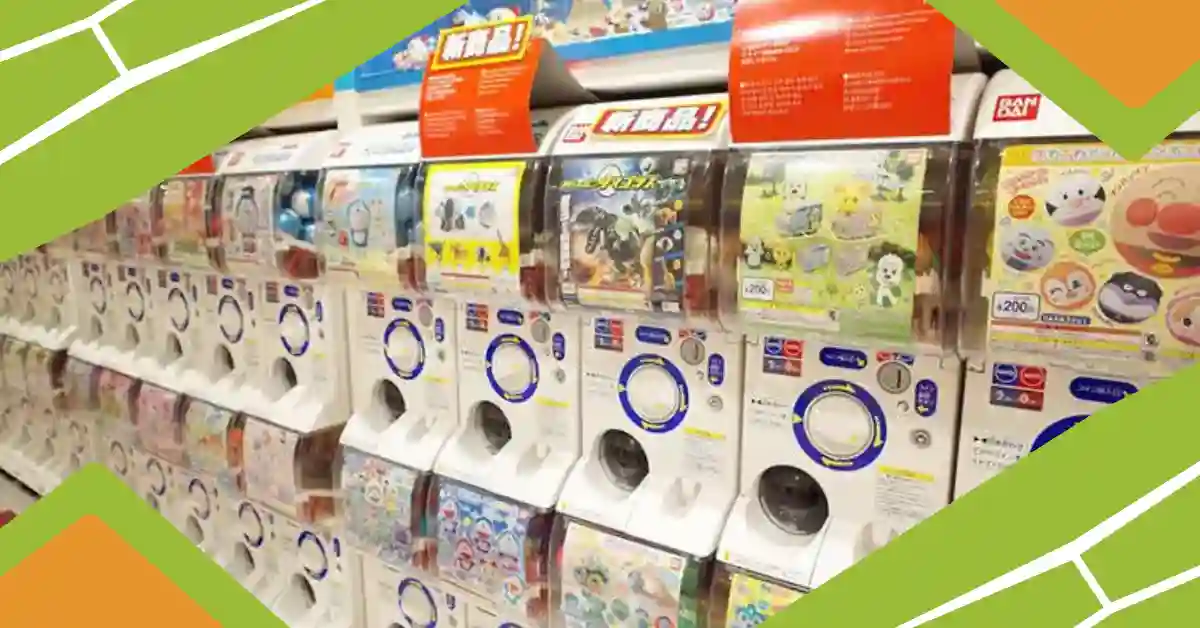
In the bustling corridors of Tokyo’s train stations and shopping districts, a small plastic capsule drops into a tray with a soft clink. Children, teenagers, and adults alike lean in with anticipation to reveal the miniature surprise inside a tiny figure, charm, or food replica. This is the essence of Japan’s beloved capsule toys, also known as gacha-gacha, gasha-pon, or gashapon. Though small in size, these toys have grown into a cultural phenomenon that spans generations, fuels nostalgia, and generates billions in revenue annually.
The allure of capsule toys lies in their simplicity: a coin, a twist of a handle, and a capsule of the unknown. But the culture surrounding these collectibles goes far beyond childhood entertainment. In this article, we explore the history, emotional appeal, economic impact, and global influence of Japan’s capsule toys, revealing why this “tiny toy, big joy” phenomenon continues to captivate millions.
The Growing Market of Capsule Toys in Japan
The Japanese capsule toy industry has experienced remarkable growth. In 2022, the Japan Toy Association estimated the market at approximately 61 billion yen (around 378 million USD), marking a 35.6% increase from the previous year. By 2024, the market had nearly doubled to 140 billion yen (close to 1 billion USD), signaling the so-called “fifth boom” in capsule toy history.
This surge is fueled by the constant release of new toy series. Currently, over 60 manufacturers produce 600–700 different capsule toy collections each month. At the center of this ecosystem is Bandai, which once held about 70% of the market by combining popular character IPs with collectible designs. From intricate miniature figurines to quirky everyday objects, these toys cater to a nation perpetually seeking small, tangible delights.
Understanding the Gacha-Gacha Experience
The magic of capsule toys is inseparable from the machines themselves. Japanese stations, malls, and arcades feature rows of coin-operated dispensers. Insert a few hundred yen, turn the handle, and the mechanism spins with a metallic gacha-gacha before the capsule drops. The names gacha-gacha, gasha-pon, and gashapon mimic the sound of the machine, turning the act of buying a toy into a brief, suspenseful performance.
This tactile randomness is central to the emotional appeal. Unlike the instant gratification of digital entertainment, capsule toys provide a short, thrilling moment of uncertainty: Will you get a character you love, a rare variant, or a completely unexpected item? That micro-gamble creates excitement, anticipation, and joy a simple but powerful emotional payoff.
From Childhood Fun to Adult Collectors
Capsule toys originated in the 1970s as cheap 10-yen erasers and mini-figurines for elementary school children. These early toys were inexpensive, disposable, and wildly popular. The first significant boom came in 1983 with Bandai’s Kinnikuman (Kinkeshi) erasers, based on a comical wrestling character. Selling 180 million units, the series ignited a nationwide craze among kids who collected, swapped, and displayed these tiny figures like trading cards.
Today, the demographic has shifted dramatically. With Japan’s declining child population, producers increasingly target adults, especially women. Modern capsule toy aisles feature charms, keyholders, miniature food replicas, and even sculptures of household items like detergent bottles or snack packages. For many adults, buying a capsule toy is about more than collecting it’s a nostalgic emotional experience, a reminder of childhood moments, or a connection to fond memories of family and home.
The Joy Lies in the Experience, Not Just the Toy
In Japan, the appeal of capsule toys extends beyond the object itself. Analysts describe this trend as “experience consumption.” The sound of the machine, the ritual of inserting coins, and the anticipation of the capsule dropping are all part of the delight.
Specialized shops like Gachagacha no Mori elevate this experience to near-theatrical levels, cramming hundreds of machines into one space. Shoppers share strategies, trade duplicates, and capture rare finds on social media. What started as a child’s coin-operated toy has evolved into a social hub and a form of light entertainment that is tactile, interactive, and deeply Japanese.
For a country often characterized by long working hours and social pressures, the capsule toy offers a brief, affordable moment of joy just a few coins and a few seconds can deliver a smile, a conversation starter, or the thrill of obtaining a rare variant.
Capsule Toys as a Global Phenomenon
Capsule toys are not only adored by locals they are increasingly popular with international visitors. Tourists from Asia and the Middle East treat these toys as compact souvenirs, appreciating their affordability, portability, and instant recognizability as “very Japanese.”
Many series feature miniaturized Japanese food, traditional crafts, or everyday objects, such as sushi rolls, bento boxes, and onigiri. For visitors, these toys are not just collectibles they are tiny slices of Japanese culture that can be carried home.
The boom in inbound tourism over 3 million visitors per month in 2024 has reinforced the global appeal. Shops strategically place capsule toy machines to enhance the tourist experience, ensuring that the thrill of pulling a random toy becomes a memorable part of a trip to Japan.
Exporting Gashapon Culture Abroad
With the domestic market maturing, Japanese producers are exploring international expansion. Companies like Yell and Hobico have introduced capsule toys to Taiwan, South Korea, Dubai, and other regions with a strong affinity for Japanese pop culture. By maintaining the core elements of surprise, cuteness, and affordability while tailoring designs to local tastes, they aim to recreate Japan’s experience-driven capsule culture abroad.
Some Japanese brands have also hosted pop-up shops and exhibitions in cities like Paris and Taipei. Here, the toys become design objects, conversation pieces, and symbols of Japan’s playful aesthetic. The aim is both emotional and commercial: to provide affordable moments of shared joy, even in a world dominated by digital distractions and global uncertainties.
Why Capsule Toys Endure
A capsule toy may seem insignificant a few grams of plastic inside a transparent shell but it represents more than that. It is a quiet counter-narrative to cynicism, a celebration of curiosity, and a reminder that joy can be both affordable and profound.
Across malls, train stations, and arcades, the gacha-gacha sound continues to resonate, a mechanical heartbeat underlying the daily lives of millions. Each turn of the handle carries a small gamble, a brief hope, and a fleeting smile. For children, adults, and tourists alike, capsule toys are not relics they are living rituals of everyday wonder.
Conclusion
Japan’s capsule toys are a testament to the power of small, tactile joys. From their humble beginnings as erasers for children to their current status as collectible treasures for adults and tourists, capsule toys capture the imagination and hearts of people worldwide. They offer more than objects they provide an experience, a ritual, and a moment of shared delight.
In a society increasingly shaped by digital immediacy and social pressures, these tiny toys remind us of something essential: happiness can be found in the small things, the unexpected surprises, and the gacha-gacha sound of life’s miniature thrills.
Whether you’re a local collector, a nostalgic adult, or a curious traveler, stepping up to a gacha machine is an invitation to pause, turn the handle, and embrace a little magic one capsule at a time.
Also Read: The Unique World of Japanese Idol Groups: Growth, Connection, and Career Evolution